
Heart Health Safeguard Amid Temperature Extremes: Projections Warn of Triple Cardiovascular Burden by 2050
Projections highlighted by EMJ indicate that heat exposure could lead to a threefold increase in the cardiovascular disease burden across the United States by 2050. This significant escalation suggests that current public health strategies may be insufficient to protect the population as temperature extremes become more frequent and severe.
The EMJ Projections on Cardiovascular Health and Heat
On June 6, 2026, reports from EMJ detailed a sobering outlook for public health in the United States. According to new projections, the burden of cardiovascular disease is expected to triple by the year 2050, driven primarily by increased heat exposure. This projection does not merely suggest a slight uptick in cases but indicates a fundamental shift in the prevalence and severity of heart-related illnesses linked to environmental stressors.
The “burden” of disease typically refers to a combination of mortality (death rates) and morbidity (the quality of life and long-term disability caused by a condition). A threefold increase implies that the healthcare system will face triple the pressure in terms of patient volume, emergency interventions, and long-term management of chronic heart conditions specifically exacerbated by rising temperatures.
Key points regarding the EMJ projections include:
- Timeline: The projections target the year 2050 as a critical threshold.
- Primary Driver: Heat exposure is identified as the catalyst for this increase.
- Geographic Scope: The findings specifically highlight the impact across the USA.
- Scale of Impact: A predicted 300% increase in the overall cardiovascular disease burden.
How Extreme Heat Impacts Cardiovascular Function
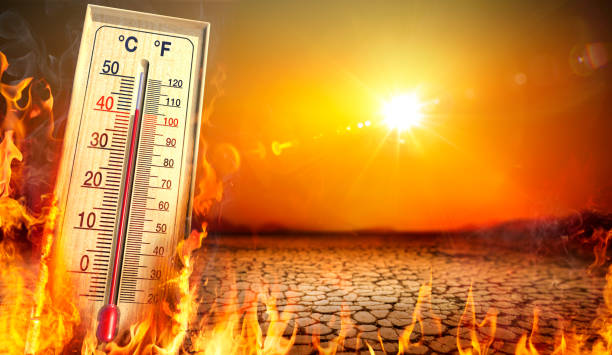
To understand why heat exposure can triple the disease burden, it is necessary to examine the physiological strain that extreme temperatures place on the human heart. The heart is the central engine for the body’s thermoregulation process, and when external temperatures rise, the heart must work significantly harder to maintain a stable internal core temperature.
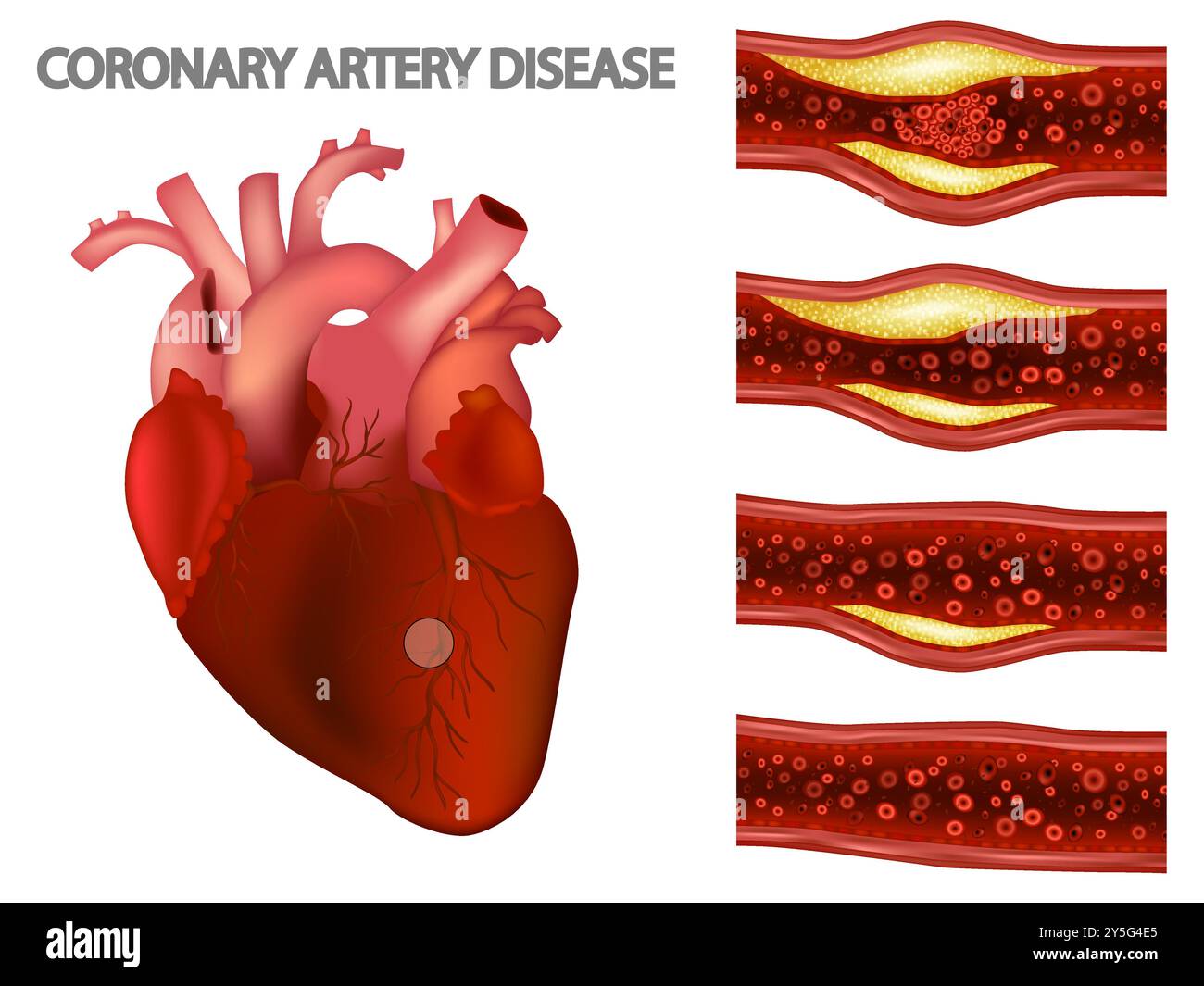
When the body overheats, it employs a process called vasodilation. This involves widening the blood vessels near the skin’s surface to allow heat to escape into the environment. To facilitate this, the heart must increase its output, pumping a larger volume of blood toward the periphery. For a healthy individual, this is a standard biological response. However, for those with underlying cardiovascular issues, this increased demand can lead to heart failure or cardiac arrest.
Furthermore, heat leads to significant fluid loss through perspiration. As the body loses water and essential electrolytes, the total volume of blood decreases, making the blood more viscous (thicker). This thickness increases the risk of blood clots and puts additional strain on the heart to push thicker fluid through the circulatory system, which can trigger myocardial infarctions (heart attacks) or strokes.
The projection that heat exposure could triple the cardiovascular disease burden by 2050 underscores a critical intersection between environmental stability and human biological limits.
Identifying High-Risk Populations in the USA
While the EMJ projections apply to the general population across the USA, the burden will not be distributed evenly. Certain demographics are significantly more susceptible to the cardiovascular strains of temperature extremes.
The Elderly and Those with Pre-existing Conditions
Older adults often have a diminished capacity for thermoregulation. The aging process can reduce the efficiency of sweat glands and the elasticity of blood vessels, making it harder for the body to cool down. Additionally, many seniors are already managing hypertension or heart disease, meaning their “cardiovascular reserve”—the heart’s ability to handle extra stress—is already compromised.
Urban Heat Island Effect
Residents of major American cities face a compounded risk due to the “urban heat island” effect. Concrete, asphalt, and a lack of green space cause cities to trap heat, keeping urban areas significantly warmer than surrounding rural regions, even at night. This prevents the cardiovascular system from recovering during the cooler hours, leading to cumulative stress on the heart over prolonged heatwaves.
Socioeconomic Vulnerabilities
Access to cooling is a primary determinant of heart health during temperature extremes. Individuals living in poverty may lack air conditioning or be unable to afford the electricity costs to run it. This creates a disparity where the cardiovascular burden is heaviest among those with the least access to preventative safeguards.
Essential Heart Health Safeguards Amid Temperature Extremes
Given the projection of a tripled disease burden, implementing robust safeguards is no longer optional; it is a necessity for survival. Protecting heart health during heatwaves requires a combination of individual behavioral changes and systemic public health interventions.
| Safeguard Level | Key Action | Purpose |
|---|---|---|
| Individual | Aggressive Hydration | Prevents blood thickening and maintains blood pressure. |
| Individual | Activity Modification | Reduces heart rate spikes during peak heat hours. |
| Community | Cooling Centers | Provides immediate relief for those without home AC. |
| Systemic | Urban Reforestation | Lowers ambient city temperatures via shade and evapotranspiration. |
Individual Preventative Measures
For those at risk, the most immediate safeguard is the management of internal temperature and hydration. Drinking water consistently—even before feeling thirsty—helps maintain the blood volume necessary for the heart to function without overexertion. Avoiding strenuous physical activity during the hottest parts of the day (typically 10 a.m. to 4 p.m.) prevents the heart from reaching dangerous levels of stress.
Medical Monitoring and Medication Adjustment
It is critical for patients on cardiovascular medications to consult their physicians about heat safety. Some medications, such as diuretics (water pills) or beta-blockers, can interfere with the body’s ability to hydrate or regulate heart rate during heat stress. Adjusting these dosages during extreme weather can be a life-saving safeguard.
The Long-term Implications for the US Healthcare System
A threefold increase in cardiovascular disease burden by 2050 will place an unprecedented strain on the American healthcare infrastructure. This is not just a matter of more patients, but a matter of how those patients utilize the system.
Emergency departments are likely to see a surge in “acute-on-chronic” events—where a patient with a stable chronic heart condition suddenly becomes critical due to a heatwave. This creates a seasonal volatility in healthcare demand that can overwhelm staffing and resources. If the projections hold, the US will need to shift from a reactive model of cardiac care to a proactive, environment-aware model.
This shift might include the integration of weather alerts into patient management systems, where high-risk cardiac patients receive automated warnings and guidance when temperatures are projected to reach dangerous levels. Such a system would act as a digital safeguard, prompting patients to seek cooling or adjust their activity levels before a crisis occurs.
For more information on how environmental factors influence long-term health, you may find a related explainer on environmental health risks useful.
Addressing Common Misconceptions About Heat and the Heart
There are several frequent misunderstandings regarding how temperature affects the heart that can lead to dangerous behavior during heatwaves.
Misconception 1: “Only people with known heart disease are at risk.”
While those with existing conditions are most vulnerable, extreme heat can trigger cardiovascular events in previously healthy individuals. Severe dehydration and heatstroke can lead to acute heart failure or arrhythmias even in those without a prior diagnosis.
Misconception 2: “Drinking ice water is the best way to cool the heart.”
While hydration is key, extremely cold drinks can sometimes cause a shock response in the body. The goal is consistent hydration and gradual cooling of the core body temperature, rather than sudden, drastic shifts.
Misconception 3: “Fans are sufficient for cooling during extreme heat.”
When the ambient temperature exceeds the body’s skin temperature, fans simply move hot air over the skin and can actually accelerate dehydration. Air conditioning or evaporative cooling (like damp cloths) is required to actually lower the body’s core temperature and reduce heart strain.
Comparing Current Trends with 2050 Projections
Currently, cardiovascular disease is managed largely through lifestyle interventions and pharmaceuticals. However, the EMJ projections introduce a variable that is largely outside of individual control: the ambient environment. While we have made strides in reducing smoking and managing cholesterol, the rising “heat burden” threatens to offset these gains.
If the burden triples, the focus of cardiology may need to expand. We are moving from an era of treating the heart in isolation to treating the heart as an organ that is deeply susceptible to the external climate. The disparity between current management and the 2050 projection suggests a gap in our current public health preparedness.
The transition from current levels to a threefold increase suggests that the “safe” temperature thresholds for the general population may be shifting. What was considered a “hot day” twenty years ago may now be a “dangerous day” for a significant portion of the population.
Frequently Asked Questions
What does “triple the cardiovascular disease burden” actually mean?
It means that by 2050, the total impact of heart-related illnesses—including the number of people suffering from these conditions, the number of deaths, and the overall cost to the healthcare system—is projected to be three times higher than current levels, specifically due to the effects of heat exposure.
Why does heat specifically target the heart?
Heat forces the heart to pump more blood to the skin for cooling and causes fluid loss through sweat. This increases the heart rate and thickens the blood, which can lead to heart failure, heart attacks, or strokes, especially in those with existing vulnerabilities.
Who is most at risk according to these projections?
The most vulnerable groups include the elderly, people with pre-existing heart or kidney conditions, and individuals living in urban areas (due to the heat island effect) or those without access to air conditioning.
What are the most effective safeguards for heart health in extreme heat?
The most effective safeguards include staying aggressively hydrated, limiting outdoor activity during peak heat hours, using air conditioning or cooling centers, and consulting a doctor to adjust heart medications during the summer months.
Is this projection only for people with existing heart disease?
No. While those with pre-existing conditions are at higher risk, extreme heat can cause acute cardiovascular stress and events in otherwise healthy individuals through severe dehydration and thermoregulatory failure.
The projections from EMJ serve as a critical warning. As the USA moves toward 2050, the integration of climate awareness into cardiovascular medicine will be essential to prevent the predicted surge in disease burden. By implementing systemic safeguards and individual precautions now, the impact of temperature extremes on heart health can be mitigated.
