Beyond the Skin: Chylous Pleural Effusion Complicating HIV-Associated Kaposi Sarcoma – Cureus
Kaposi Sarcoma (KS) in patients living with HIV can progress from visible skin lesions to internal organ infiltration, potentially causing chylous pleural effusion—a rare condition where lymphatic fluid leaks into the chest cavity—according to a clinical case report published in Cureus. This complication occurs when the malignancy obstructs or damages the thoracic duct, leading to a buildup of chyle in the pleural space that impairs respiratory function.
How does Kaposi Sarcoma cause lymphatic leakage in the chest?
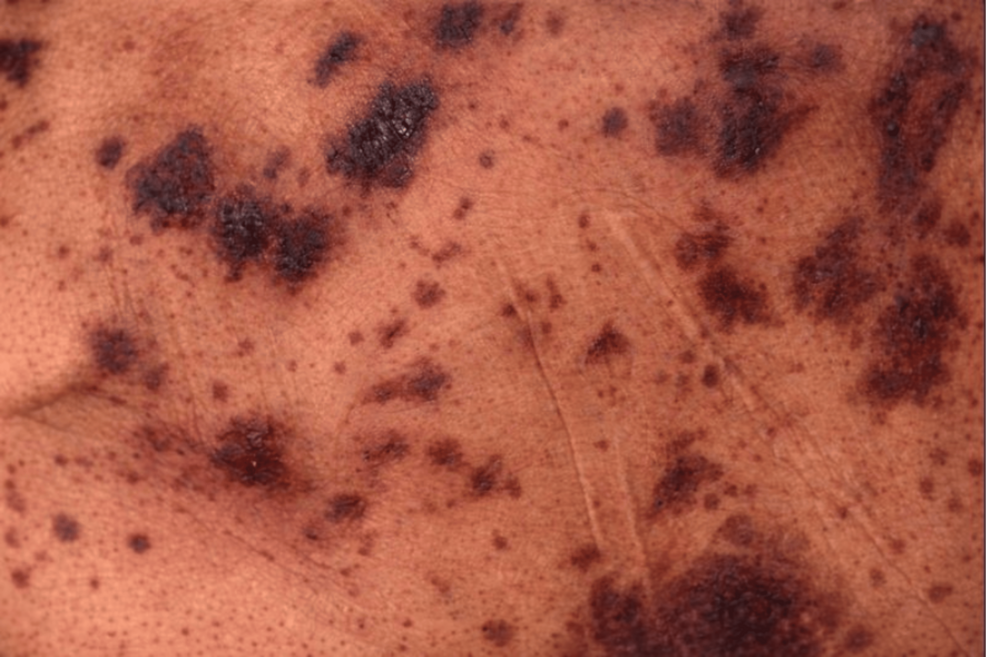
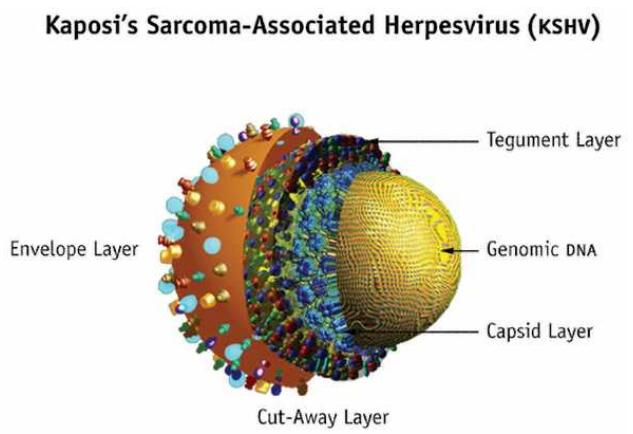
Kaposi Sarcoma is a systemic angioproliferative disorder caused by Human Herpesvirus 8 (HHV-8). While it is most recognized for the purple or brown nodules it produces on the skin, the malignancy often infiltrates internal organs. According to the clinical data in Cureus, the development of chylous pleural effusion (CPE) happens when KS lesions invade the lymphatic system, specifically the thoracic duct.
The thoracic duct is the primary vessel responsible for transporting chyle—a milky fluid containing lymph and emulsified fats—from the abdomen into the bloodstream via the left subclavian vein. When KS cells proliferate around or within this duct, they can cause a mechanical blockage or direct rupture of the vessel wall. This failure of the lymphatic architecture forces chyle to leak into the pleural space, the area between the lungs and the chest wall.
Clinical observations indicate that this process is often insidious. A patient may present with classic cutaneous KS lesions while the internal lymphatic obstruction develops silently. The resulting effusion is not merely water or serum but a lipid-rich fluid that can accumulate rapidly, compressing the lungs and leading to severe respiratory distress.
The transition of Kaposi Sarcoma from a cutaneous manifestation to a pleural complication represents a significant escalation in disease severity, requiring a shift from local skin management to systemic oncological and lymphatic intervention.
Why is chylous pleural effusion often difficult to diagnose?
Diagnosing chylous pleural effusion is challenging because its initial symptoms mirror those of more common respiratory infections or standard pleural effusions seen in HIV patients, such as pneumonia or tuberculosis. According to the report in Cureus, the primary symptoms include:
- Progressive Dyspnea: Shortness of breath that worsens with activity.
- Non-productive Cough: A persistent cough caused by the pressure of fluid on the lung parenchyma.
- Pleuritic Chest Pain: Sharp pain during inhalation.
Because these symptoms are non-specific, clinicians may initially suspect heart failure or an opportunistic infection. The “Beyond the Skin” aspect of the disease means that the presence of skin lesions can distract providers from looking for internal visceral involvement. The diagnosis typically requires a thoracentesis, where a needle is used to drain fluid from the pleural space for analysis.
The hallmark of a chylous effusion is its appearance. Unlike the clear or straw-colored fluid found in most effusions, chyle appears milky or opalescent. However, the report notes that the fluid may not always look milky if the patient has been fasting or is on a low-fat diet, which can lead to false negatives in visual inspections.
Biochemical Markers for Confirmation
To confirm the presence of chyle, laboratory analysis of the pleural fluid is required. According to standard medical protocols cited in the Cureus report, the following markers are critical:

| Marker | Chylous Effusion Value | Non-Chylous (Exudate/Transudate) |
|---|---|---|
| Appearance | Milky/Opalescent | Clear, Straw-colored, or Bloody |
| Triglycerides | Typically > 110 mg/dL | Typically < 50 mg/dL |
| Cholesterol | Variable | Often elevated in pseudochylothorax |
| Lymphocyte Count | Predominantly Lymphocytes | Variable (Neutrophils in infection) |
A triglyceride level above 110 mg/dL is generally considered diagnostic for a chylous leak. If the levels are borderline, clinicians may use a contrast-enhanced CT scan or lymphangiography to visualize the leak in the thoracic duct.
What are the primary treatment strategies for this complication?
Managing chylous pleural effusion in the context of HIV-associated Kaposi Sarcoma requires a multi-pronged approach. The goal is to stop the leak, drain the accumulated fluid, and treat the underlying malignancy and immunosuppression.
Antiretroviral Therapy (ART)
The first line of defense is the optimization of Antiretroviral Therapy. According to clinical guidelines, restoring the immune system through ART can lead to a regression of KS lesions. When the immune system recovers, the body may be able to shrink the tumors obstructing the thoracic duct, potentially resolving the chyle leak without invasive surgery.
Systemic Chemotherapy
For patients with visceral involvement, such as lung or lymphatic infiltration, systemic chemotherapy is necessary. The report highlights that chemotherapy targets the HHV-8 infected cells, reducing the tumor burden. Common agents include liposomal irinotecan or paclitaxel, which are designed to shrink the lesions that are causing the lymphatic blockage.
Dietary Modification
Because chyle is composed largely of fats (chylomicrons) absorbed from the intestines, dietary changes can reduce the volume of fluid leaking into the chest. Clinicians often prescribe a low-fat diet or the use of Medium-Chain Triglycerides (MCT). MCTs are absorbed directly into the portal vein rather than the lymphatic system, effectively “bypassing” the thoracic duct and reducing the rate of effusion accumulation.

Mechanical Drainage and Surgical Intervention
When the effusion is massive and causes acute respiratory failure, a chest tube (thoracostomy) is inserted to drain the fluid. In refractory cases where ART and chemotherapy fail, surgical options such as the ligation of the thoracic duct (Thoracic Duct Embolization) may be considered to permanently seal the leak.
Internal link suggestion: related explainer on HIV-associated opportunistic infections
Why does this case matter for broader HIV clinical care?
The case detailed in Cureus serves as a critical reminder that HIV-associated Kaposi Sarcoma is a systemic disease, not just a dermatological one. The “Beyond the Skin” narrative emphasizes that cutaneous lesions can be a “red flag” for internal complications that are far more life-threatening than the skin nodules themselves.
Historically, the medical community viewed KS primarily as a marker of advanced AIDS. However, with the advent of modern ART, the presentation of KS has shifted. Some patients may experience a paradoxical flare of symptoms or the emergence of rare complications like CPE even as their viral load drops. This underscores the need for continuous monitoring of respiratory health in any HIV patient presenting with KS.
Furthermore, this highlights the importance of multidisciplinary care. Treating a patient with CPE requires the coordination of an infectious disease specialist for HIV management, an oncologist for the KS chemotherapy, and a pulmonologist or thoracic surgeon for the pleural effusion management.
Common Misconceptions About KS and Pleural Effusion
There are several common misunderstandings regarding these conditions that the Cureus report helps clarify:

- Misconception: If the skin lesions are disappearing, the internal disease is also gone.
Fact: Internal lesions can persist or even progress despite the resolution of skin nodules, especially if the lymphatic system is compromised. - Misconception: All milky pleural fluid is caused by cancer.
Fact: While KS is a cause, CPE can also result from trauma (surgery), congenital malformations, or other lymphomas. - Misconception: Chest tubes are a permanent cure for CPE.
Fact: Drainage treats the symptom (the fluid), but not the cause (the duct leak). Without treating the KS or the duct, the fluid will likely return once the tube is removed.
What are the long-term implications for patients?
The prognosis for patients with chylous pleural effusion complicating KS depends heavily on the response to ART and chemotherapy. If the underlying malignancy is controlled, the thoracic duct can heal, and the effusion can resolve completely.
However, long-term challenges include nutritional deficiencies. Because chyle contains essential fats, proteins, and T-lymphocytes, a chronic leak can lead to malnutrition and further immunosuppression, creating a vicious cycle that makes the patient more susceptible to other opportunistic infections.
Monitoring for recurrence is essential. Patients who have experienced a chylous leak are at higher risk for future lymphatic issues if their HIV management is interrupted. Regular imaging and respiratory assessments are recommended for those with a history of visceral KS.
Key Management Summary
- Immediate Action: Thoracentesis to confirm triglyceride levels > 110 mg/dL.
- Symptom Control: Chest tube drainage for severe dyspnea.
- Systemic Treatment: ART to boost immunity and chemotherapy to shrink KS tumors.
- Nutritional Support: Low-fat/MCT diet to reduce chyle production.
Internal link suggestion: related explainer on the role of HHV-8 in cancer
Frequently Asked Questions
What is the difference between a regular pleural effusion and a chylous one?
A regular pleural effusion consists of serous fluid, blood, or pus. A chylous effusion specifically contains chyle, which is lymphatic fluid rich in triglycerides and fats. This gives the fluid a characteristic milky white appearance and requires different treatment, such as dietary fat restriction.
Can Kaposi Sarcoma be cured if it reaches the lungs or lymphatic system?
While “cure” is a complex term in oncology and HIV, the disease can be successfully managed. A combination of highly active antiretroviral therapy (HAART) and systemic chemotherapy can lead to significant tumor regression and the resolution of complications like chylous effusions.
Is a low-fat diet enough to treat a chylous leak?
A low-fat diet or MCT supplement helps reduce the amount of fluid leaking into the pleural space, which eases symptoms. However, it does not fix the underlying cause—the obstruction or rupture of the thoracic duct caused by the Kaposi Sarcoma. It is a supportive measure, not a primary cure.
How does HIV make someone more susceptible to Kaposi Sarcoma?
HIV attacks CD4+ T-cells, which are essential for the body’s immune surveillance. When the immune system is severely weakened, Human Herpesvirus 8 (HHV-8) can proliferate unchecked, triggering the abnormal growth of blood vessels and cells that characterize Kaposi Sarcoma.
What happens if the chylous effusion is not treated?
Untreated chylous pleural effusion can lead to severe respiratory failure due to lung compression. Additionally, the loss of lymphocytes and proteins through the leak can worsen the patient’s malnutrition and further weaken their immune system, increasing the risk of death from secondary infections.
