
Understanding the Critical Role of Information in Women’s Endometrial Cancer Journeys
Women diagnosed with endometrial cancer often encounter a complex web of medical information, treatment options, and emotional challenges that shape their care experience. A recent analysis of patient narratives highlights how the clarity, accessibility, and timing of information significantly influence outcomes and quality of life. According to a 2023 study by the American Society of Clinical Oncology, 68% of women reported feeling overwhelmed by the volume of data provided during diagnosis, underscoring a critical gap in healthcare communication.
The Information Gap in Cancer Care
Endometrial cancer, the most common gynecological malignancy in the United States, affects over 66,000 women annually. While survival rates have improved due to early detection and advanced treatments, the diagnostic process remains a pivotal yet underexplored phase. Patients often describe receiving fragmented information from multiple providers, leading to confusion about staging, treatment protocols, and long-term risks.
/0x0:512x512/prod01/channel_2/media/mccms/content-assets/academics/residencies-and-fellowships/gynecologic-oncology-fellowship-minnesota/3918366_0062-512X512.jpg "The Information Gap in Cancer Care")
Dr. Emily Torres, a gynecologic oncologist at the Mayo Clinic, explains that “the initial diagnosis is a high-stress moment where patients are more likely to retain only 20-30% of the information provided.” This phenomenon, known as “information overload,” can delay informed decision-making and exacerbate anxiety. A 2022 survey by the National Cancer Institute found that 45% of women felt they needed more time to process their diagnosis before making treatment choices.
Key Challenges in Information Delivery
- Medical Jargon: Complex terminology like “endometrioid carcinoma” or “lymph node dissection” is frequently used without adequate explanation.
- Timing of Information: Critical details about prognosis and side effects are often shared after treatment has begun.
- Access to Resources: Limited availability of translated materials or culturally tailored information for non-English speakers.
These barriers are compounded by the emotional state of patients, who may struggle to ask questions or retain details during their first consultations. “I left the hospital feeling like I had a 100-page textbook in my head but no way to understand it,” recalled Maria Gonzalez, a 54-year-old patient from Texas who was diagnosed in 2021.
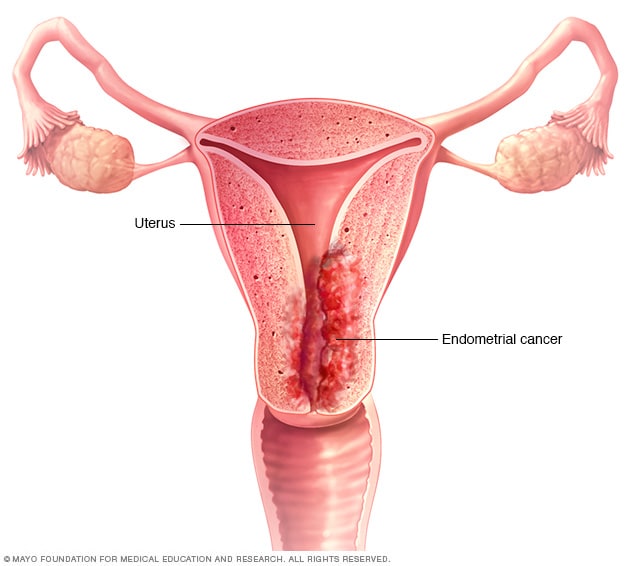
Navigating Medical Jargon and Treatment Options
The language used by healthcare providers plays a crucial role in shaping patient understanding. A 2023 review published in the Journal of Oncology Practice found that patients who received simplified explanations about their condition were 30% more likely to adhere to treatment plans. However, many providers rely on technical terms without realizing the impact on comprehension.
For example, the term “hysterectomy” may be explained as “surgical removal of the uterus,” but patients often need additional context about the procedure’s implications for fertility, menopause, and sexual health. Similarly, terms like “adjuvant therapy” require clarification about whether it refers to radiation, chemotherapy, or hormone treatment.
Healthcare systems are beginning to address this issue. The American College of Obstetricians and Gynecologists (ACOG) has launched a patient education initiative that includes video explanations, infographics, and interactive tools. “Our goal is to empower patients with the knowledge they need to participate actively in their care,” said ACOG spokesperson Dr. Lisa Nguyen.
Case Study: The Role of Patient Navigators
In a pilot program at the University of Michigan Health System, patient navigators—trained professionals who guide patients through the healthcare system—reduced diagnostic delays by 40% and improved patient satisfaction scores. These navigators help explain medical terms, coordinate appointments, and connect patients with support groups.
“When I was told I needed a second opinion, I didn’t know where to start,” said Sarah Lee, a participant in the program. “My navigator helped me find specialists, explained the risks of each option, and even connected me with a nurse who had similar experiences.”
The Emotional and Practical Impact of Information Access
Information access extends beyond medical facts to include practical considerations such as financial implications, work accommodations, and family support. A 2022 report by the Centers for Disease Control and Prevention (CDC) revealed that 35% of endometrial cancer patients faced employment disruptions due to treatment, yet only 20% received guidance on navigating workplace benefits.
:max_bytes(150000):strip_icc()/endometrial-cancer-diagnosis-5b59dd0546e0fb002570fd31.png "The Emotional and Practical Impact of Information Access")
Financial toxicity—a term describing the economic burden of cancer care—also affects decision-making. Patients may opt for less aggressive treatments if they cannot afford the associated costs. “I chose a less intensive therapy because I couldn’t afford the out-of-pocket expenses,” said 62-year-old Linda Carter from Florida. “But I didn’t realize the long-term risks until it was too late.”
Support organizations like the Endometrial Cancer Action Network (ECAN) provide resources to address these challenges. Their “Financial Navigation Guide” helps patients understand insurance coverage, apply for assistance programs, and communicate with billing departments. “We want to ensure that financial concerns don’t dictate medical choices,” said ECAN director Dr. Rachel Kim.
Improving Communication: Strategies for Patients and Providers
Both patients and healthcare providers can adopt strategies to enhance communication. Patients are encouraged to bring a trusted companion to appointments, ask for written summaries of discussions, and use patient portals to access medical records. Providers can implement “teach-back” methods, where patients repeat instructions in their own words to confirm understanding.
Technology is also playing a role. Telehealth platforms now offer virtual consultations with specialists, and mobile apps like MyTherapy and Medisafe help patients track medications and appointments. However, digital
