
U.S. President Donald Trump has signed a peace agreement with Iran in Versailles, France, according to U.S. representatives. The deal marks a sudden diplomatic shift, moving negotiations from traditional neutral venues like Switzerland to the French palace.
- Action: Signing of a peace deal between the United States and Iran.
- Location: Versailles, France.
- Confirmation: U.S. government representatives.
Why was the deal signed in Versailles?
The selection of Versailles as the site for the signing has caused surprise among international observers, as diplomatic efforts of this nature typically occur in Switzerland. According to media reports, the shift in location underscores a departure from expected diplomatic protocols for the agreement.
How are international observers reacting to the agreement?
The nature of the deal has drawn sharply contrasting interpretations from different political perspectives. Some reports characterize the agreement as a capitulation by the Trump administration, suggesting a failure to maintain previous leverage over Tehran.
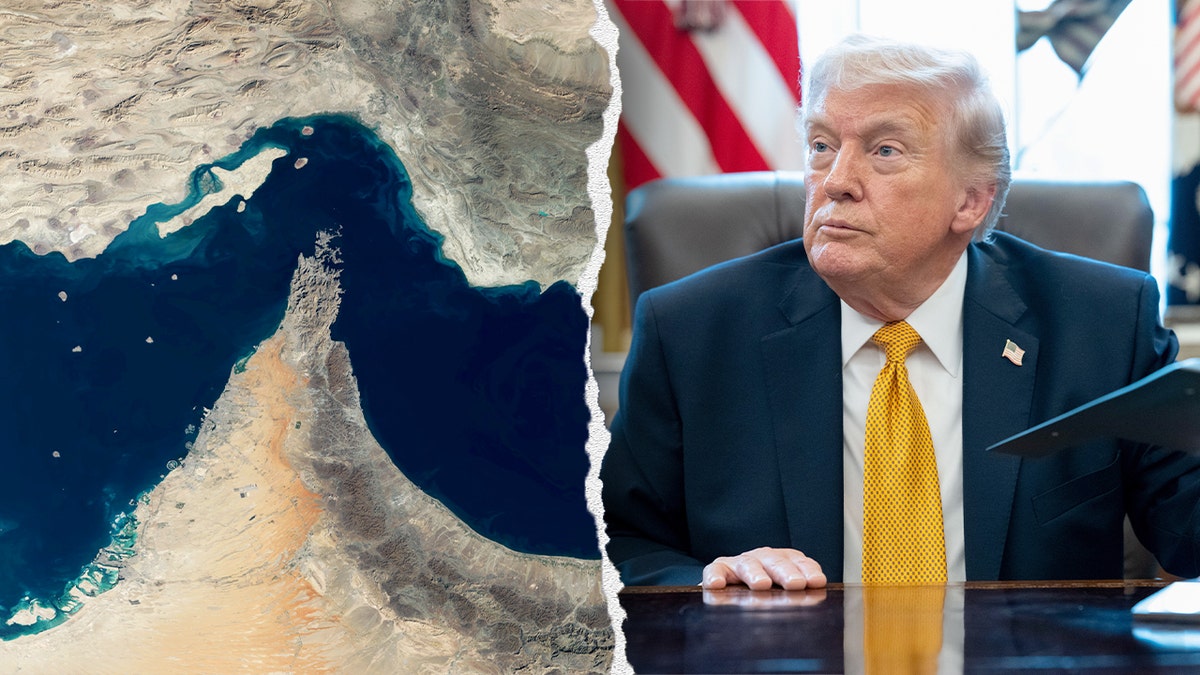
Conversely, other analyses suggest that the agreement was a strategic necessity. According to these reports, the move toward a deal was not a choice but a required retreat, as the administration found itself with no other viable options to resolve the conflict.
What is the economic context of the deal?
The diplomatic resolution arrives amid discussions regarding global economic stability. Some analysts have drawn parallels between the current economic climate and the 1929 world economic crisis, suggesting that the financial pressures facing the global market may have influenced the timing and necessity of the agreement.
