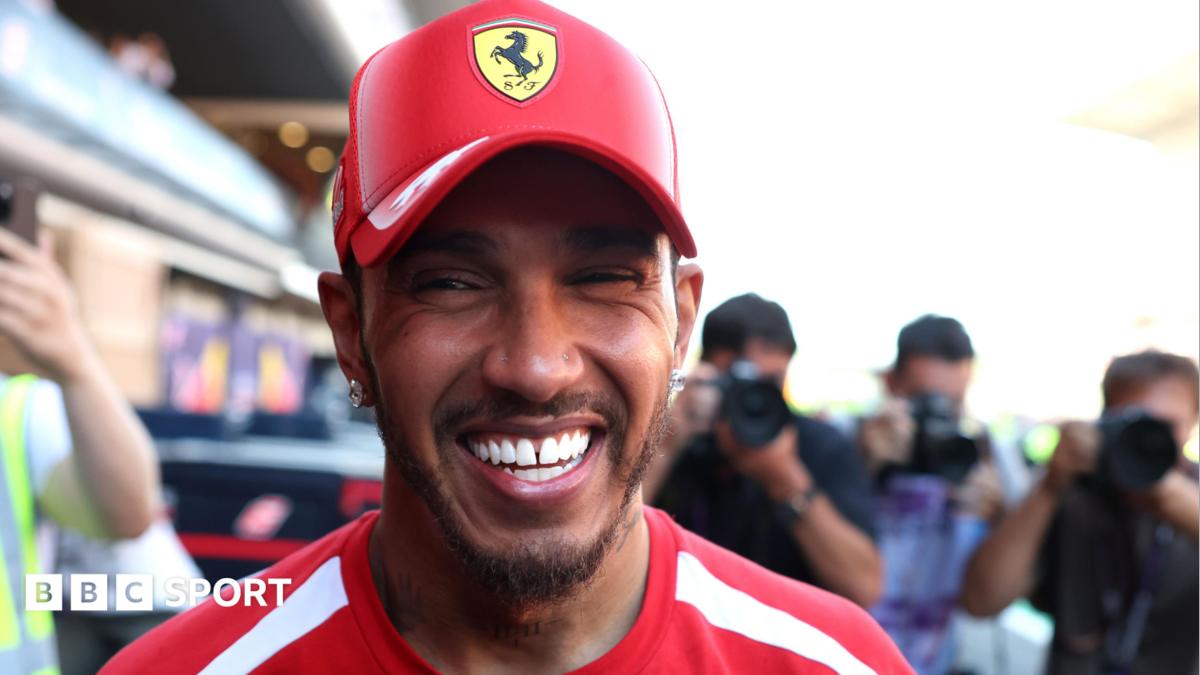
INSIGHT: Lewis Hamilton’s Remarkable Ferrari Transformation – From ‘Absolutely Useless’ to Grand Prix Winner Again – Formula 1
After a prolonged period of underperformance, seven-time Formula 1 world champion Lewis Hamilton secured a decisive victory at the Barcelona-Catalunya Grand Prix, marking a pivotal shift in his tenure with Scuderia Ferrari. The win, which ended a 13-year drought for the Italian team at the circuit, has reignited discussions about Hamilton’s adaptation to his new environment and the factors behind his resurgence. The achievement, described by the driver as “beyond wildest dreams,” has sparked analysis of his technical adjustments, mental resilience, and the evolving dynamics within the sport.
What Happened: A Defining Moment for Hamilton and Ferrari
Hamilton’s triumph at the 2023 Barcelona-Catalunya Grand Prix followed a season characterized by inconsistent results and internal scrutiny. The British driver, who joined Ferrari in 2021 after a 11-year stint with Mercedes, faced criticism early in his career with the Scuderia. Reports from the 2022 season indicated that Hamilton struggled to harmonize with the team’s engineering approach, leading to a string of retirements and podium finishes that fell short of expectations. However, the Spanish circuit proved to be a turning point.
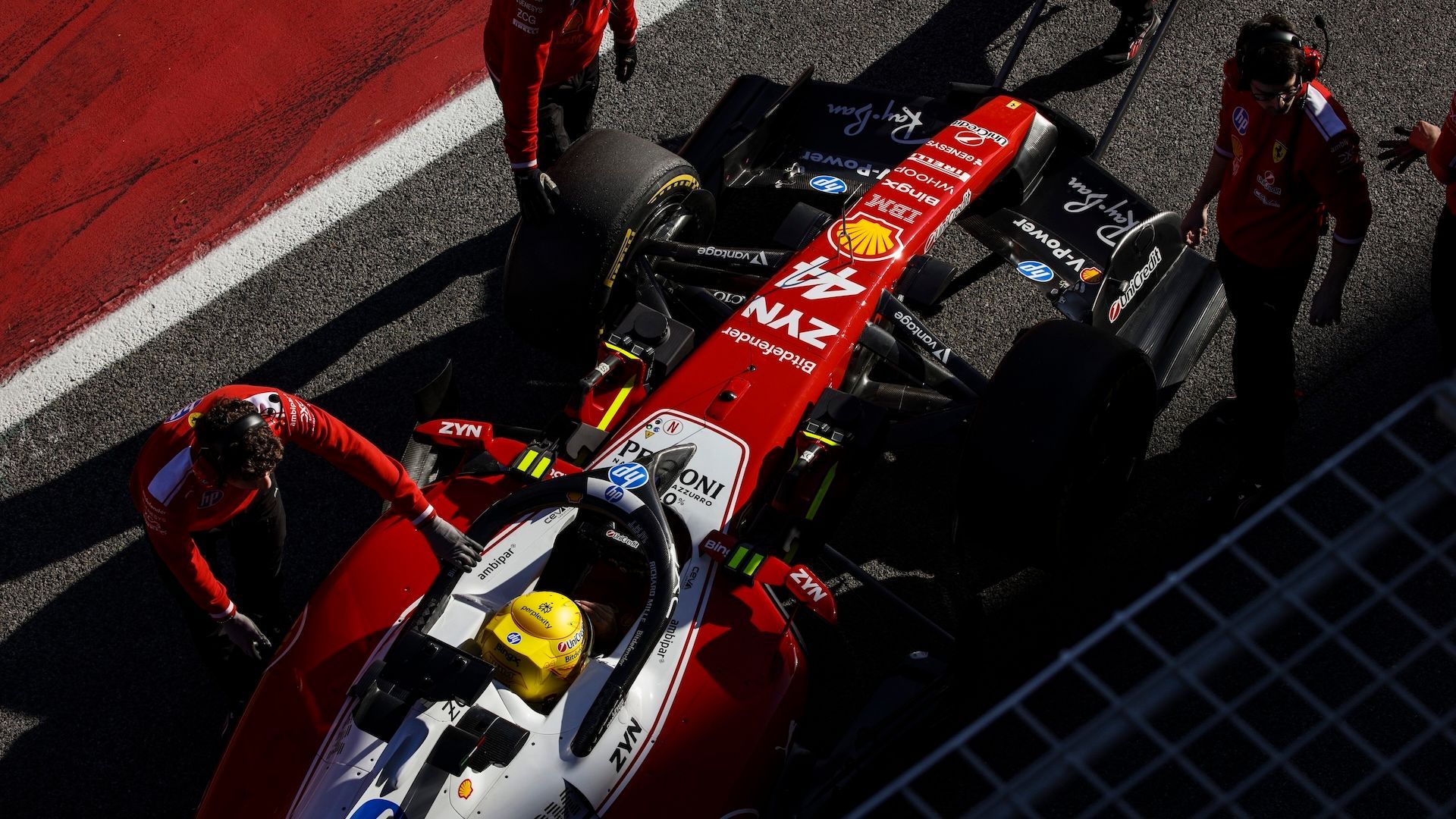
According to race data, Hamilton’s car demonstrated superior aerodynamic efficiency and tire management during the event. His ability to capitalize on the track’s unique characteristics—particularly its mix of high-speed straights and technical corners—highlighted a recalibration of his driving style. The win, his first with Ferrari since 2019, was celebrated by fans across Italy, with spontaneous gatherings in Milan and Rome reflecting the emotional significance of the result.
Who Is Involved: Hamilton, Ferrari, and the Broader F1 Landscape
Hamilton’s journey with Ferrari has been shaped by a confluence of personal and organizational factors. The 39-year-old driver, known for his adaptability, has undergone extensive collaboration with Ferrari’s technical staff to refine his approach. Key figures in this process include technical director Mattia Binotto and race engineer Peter Tercel, whose strategies reportedly emphasized data-driven adjustments to tire performance and aerodynamic balance.
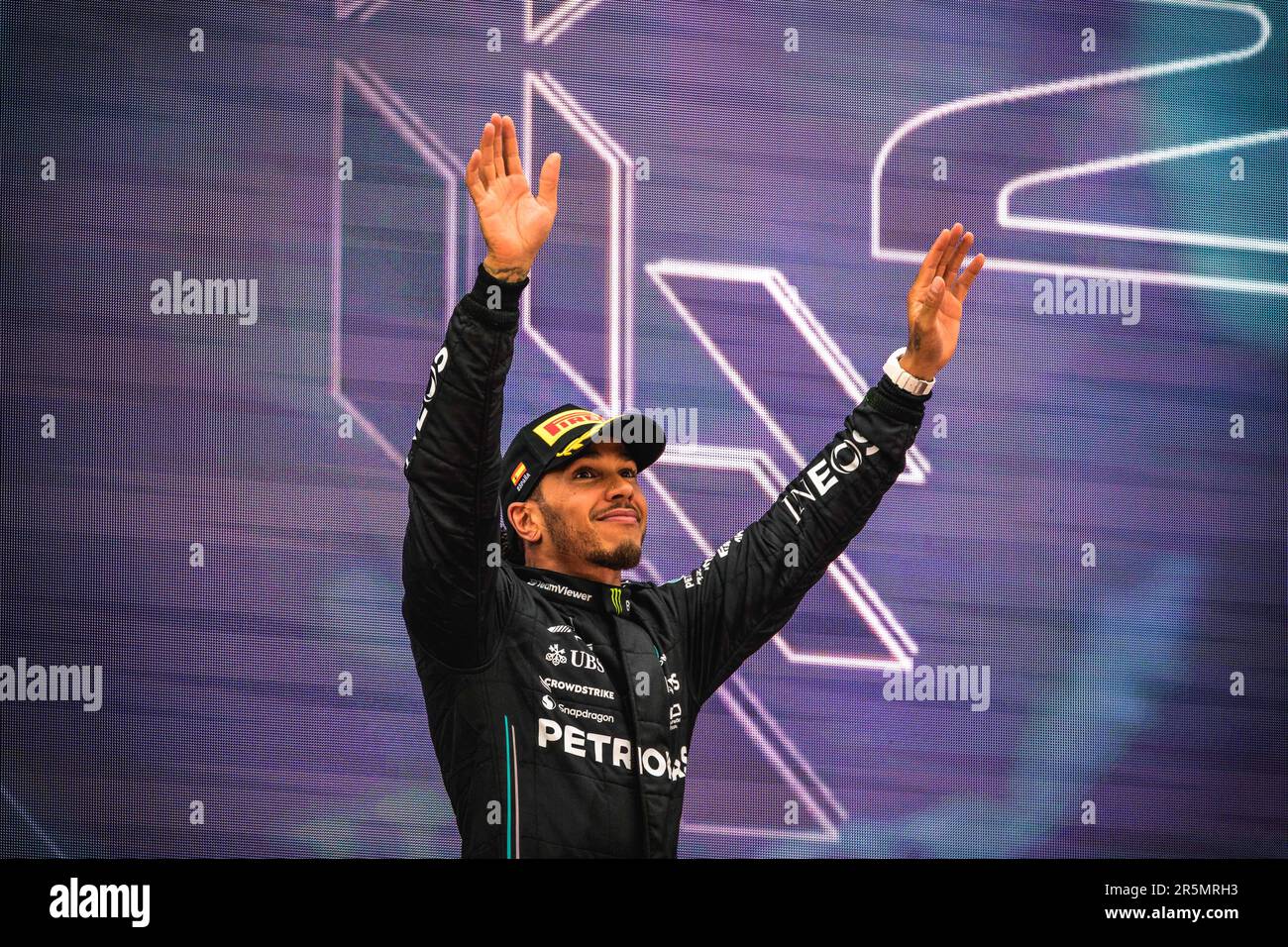
The broader Formula 1 context also plays a role. The 2023 season has seen increased competition, with Red Bull and McLaren challenging Ferrari’s dominance. Hamilton’s victory at Barcelona-Catalunya was not just a personal milestone but also a statement of intent for the Scuderia. Team principal Fred Vasseur acknowledged the significance of the win, stating, “This result underscores the hard work of our engineers and the unwavering belief in Lewis’s capabilities.”
When and Where It Happened: A Historic Victory in Spain
The Barcelona-Catalunya Grand Prix, held at the Circuit de Barcelona-Catalunya, has long been a testing ground for Formula 1 teams. The 2023 edition, the fourth race of the season, saw Hamilton navigate a challenging grid, including fierce competition from Max Verstappen and Charles Leclerc. The race’s outcome was influenced by strategic pit stops, weather conditions, and the drivers’ ability to manage tire degradation.
Hamilton’s victory came after a dramatic final lap, where he overtook Leclerc on the final straight. The win extended his lead in the drivers’ championship and provided Ferrari with a crucial boost in the constructors’ standings. The event marked the first time since 2010 that a Ferrari driver had won at the circuit, a fact that underscored the historical weight of the achievement.
Why It Matters: Implications for Hamilton, Ferrari, and the Sport
Hamilton’s resurgence at Ferrari has broader implications for the sport. For the driver, it signals a potential recovery from a period of professional uncertainty. His comments during post-race interviews emphasized the importance of mental fortitude, stating, “There were moments I doubted myself, but I always believed in the team’s ability to evolve.” This sentiment reflects a shift in his approach, moving from a reliance on individual brilliance to a more collaborative strategy.
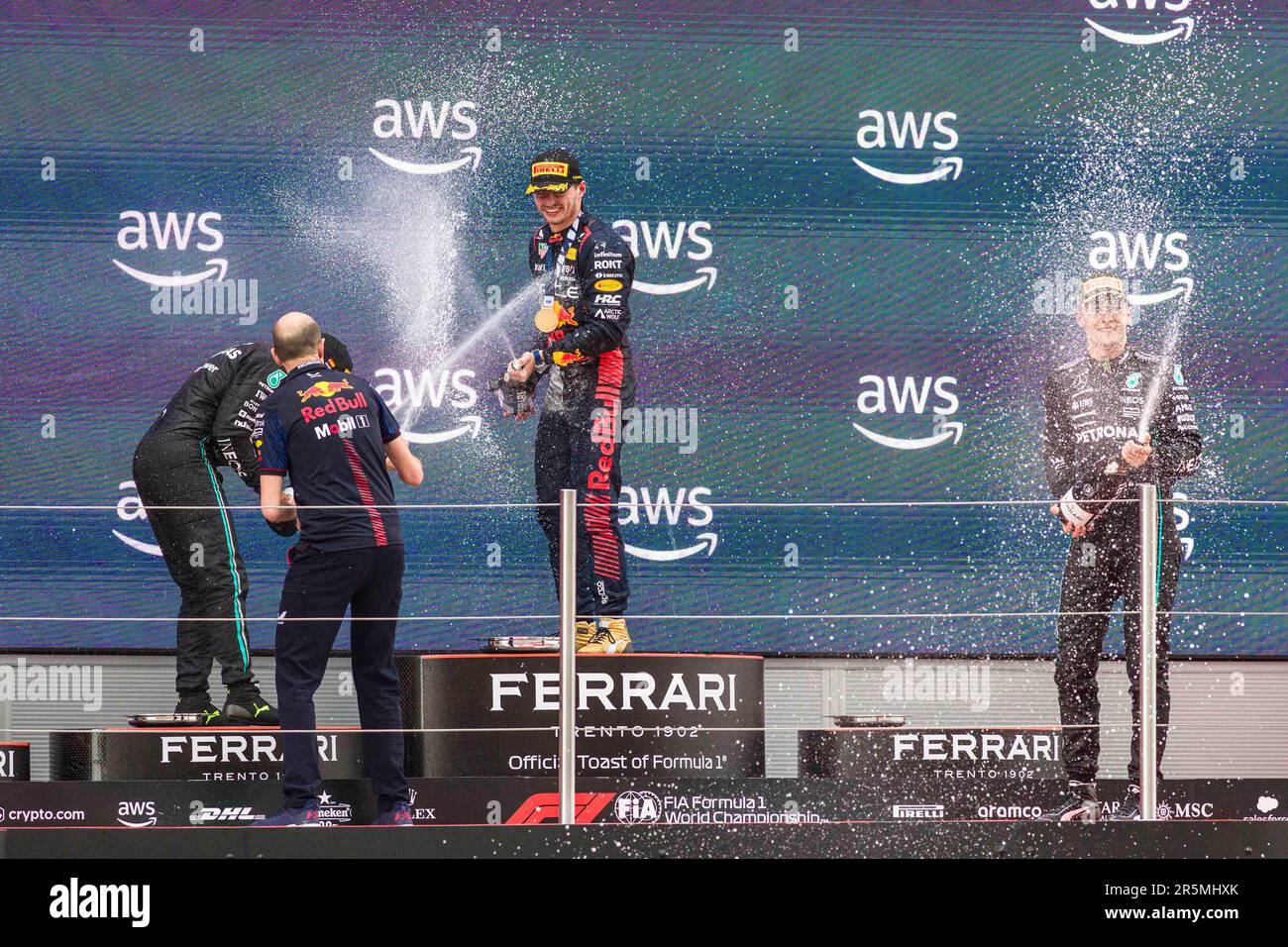
For Ferrari, the victory represents a critical step in rebuilding their championship credentials. The team, which has not won the constructors’ title since 2008, has faced pressure to deliver results amid rising competition. The Barcelona win, coupled with improved performance in subsequent races, suggests that the Scuderia is on a path to reclaiming its former glory.
The broader Formula 1 landscape also benefits from Hamilton’s success. His continued presence at the forefront of the sport ensures sustained global interest, particularly in markets like the United States and Asia. Analysts note that Hamilton’s ability to adapt to new teams and technologies sets a benchmark for other drivers, reinforcing his status as one of the most influential figures in motorsport history.
Reactions and Expert Analysis: A Mixed Response
The victory elicited a range of reactions from fans, pundits, and competitors. While many celebrated Hamilton’s achievement, some critics questioned whether the win was a product of favorable conditions rather than a sustained improvement. Formula 1 journalist Mark Hughes noted, “Hamilton’s performance in Barcelona was impressive, but the real test will be consistency over the next few races.”
Teammates and rivals also weighed in. Charles Leclerc, who finished second in the race, praised Hamilton’s determination, stating, “He’s a fighter, and that’s what made him one of the greatest.” Meanwhile, Ver
