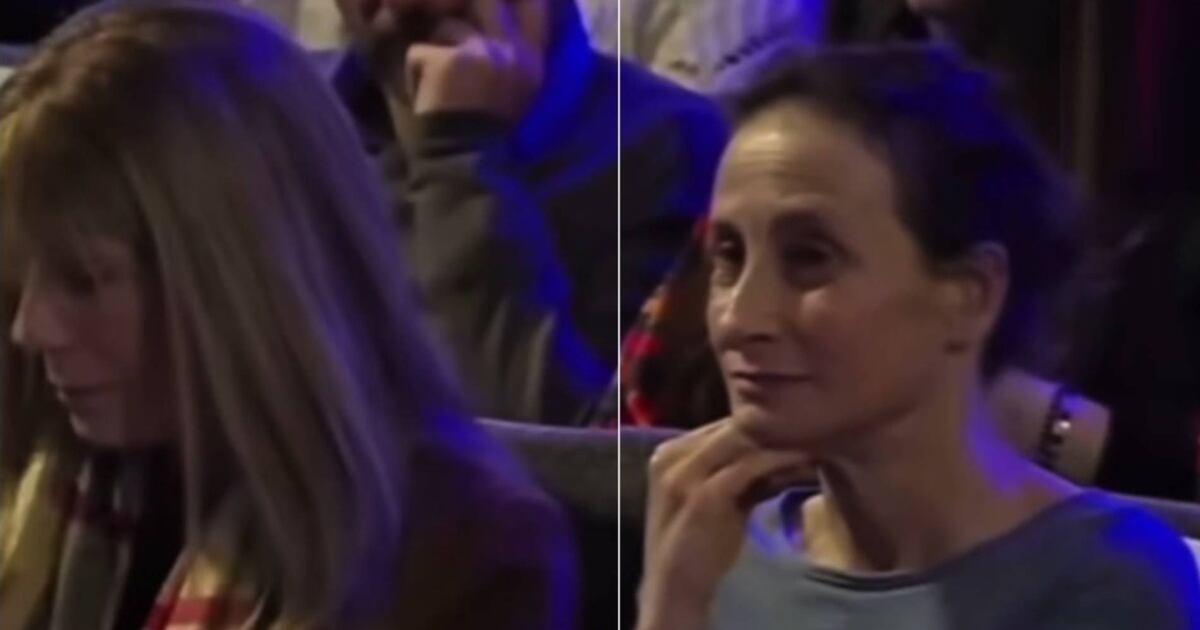
Ministers Ximena Rincón and Andrés Undurraga faced a tense moment during a cultural event in Santiago, as audience members at a performance of *La Pérgola de las Flores* directed boos and verbal insults toward them, sparking a broader conversation about the intersection of politics and public art in Chile.
Controversy Erupts During Cultural Celebration
The incident occurred during a ceremony marking the Day of Patrimonies, a national observance honoring cultural heritage. The ministers, both prominent figures in the current administration, were present at the event, which featured a theatrical production. According to local media reports, attendees reportedly shouted phrases such as “ladrones” (thieves) and “fachos” (a derogatory term often associated with far-right ideologies), prompting a visible reaction from the officials.
Rincón, the Minister of Culture, later addressed the incident, condemning the “manifestations” directed at her and Undurraga. She emphasized that while constructive criticism is part of democratic discourse, “el odio jamás” (hatred never) has a place in public life. Undurraga, the Minister of the Interior, also expressed frustration over the disruption, though he did not elaborate further on the specifics of the confrontation.
Cultural Events as a Stage for Political Tensions
The episode highlights the growing friction between political figures and cultural institutions, particularly in contexts where public funding or policy decisions intersect with artistic expression. *La Pérgola de las Flores*, a play with historical and social themes, has long been a focal point for debates about national identity and memory. The presence of high-ranking officials at such an event underscores the complex role of government in shaping cultural narratives.
Local theater critics noted that the backlash against the ministers reflects broader societal divisions, particularly around issues of accountability and representation. “Cultural spaces are increasingly becoming battlegrounds for political discourse,” said one analyst. “When leaders attend these events, they inevitably bring their controversies with them.”
The incident has also reignited discussions about the safety and integrity of public performances. While artistic freedom is a cornerstone of cultural programming, the presence of political figures can sometimes amplify tensions, turning cultural celebrations into flashpoints for dissent.
Reactions and Broader Implications
Public responses to the event were mixed. Some praised the ministers for their composure, while others criticized the audience’s behavior as inappropriate. Social media platforms saw a surge in debates about the role of public figures in cultural settings, with many users questioning whether political leaders should attend such events at all.
For the entertainment industry, the incident raises questions about the balance between accessibility and neutrality. As cultural institutions navigate their roles in a polarized climate, the challenge lies in fostering spaces where diverse perspectives can coexist without resorting to hostility.
While no immediate changes to the event’s programming or future attendance policies have been announced, the episode serves as a reminder of the unpredictable ways in which politics and art can collide.
