Vietnam National Assembly passes multiple laws and resolutions
The legislative session introduced a shift in customs operations by prohibiting paper filings and approved various infrastructure, urban development, and tax laws.
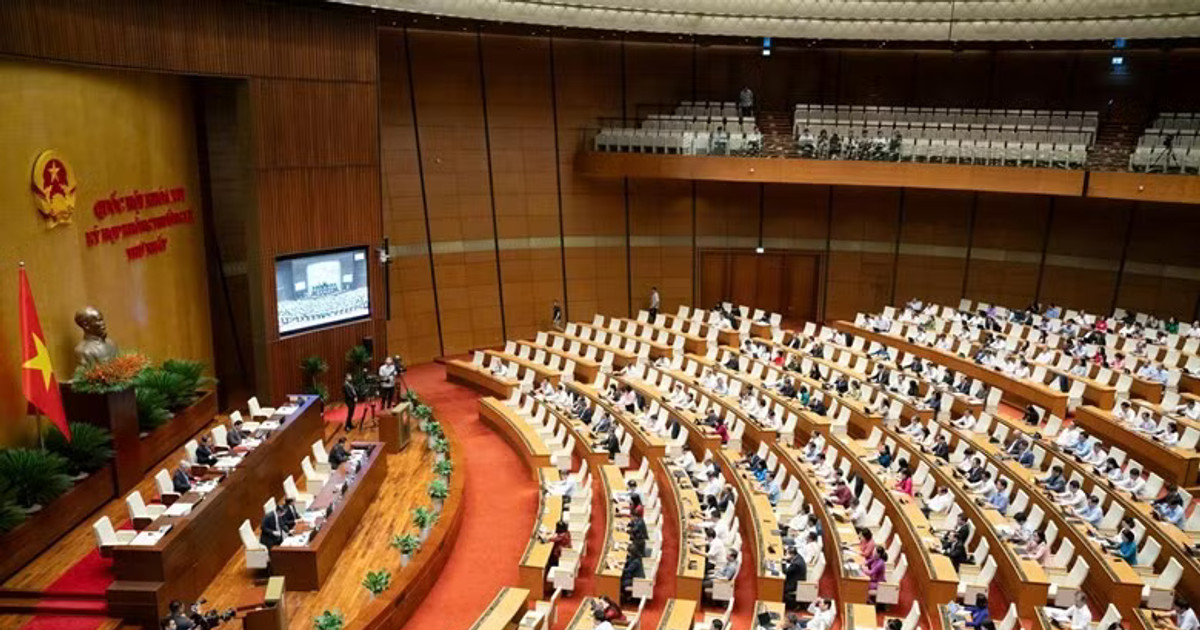
The session concluded with a package of laws designed to lower corporate and personal income taxes and a fundamental shift in customs operations that prohibits authorities from requiring paper filings once data has been shared digitally, according to Kienthuc.
The legislative volume aims to eliminate bureaucratic bottlenecks by stripping away 40 business conditions and simplifying 12 administrative procedures. According to Vietnamplus, these changes involve the amendment of 8 laws.
Related YouTube video

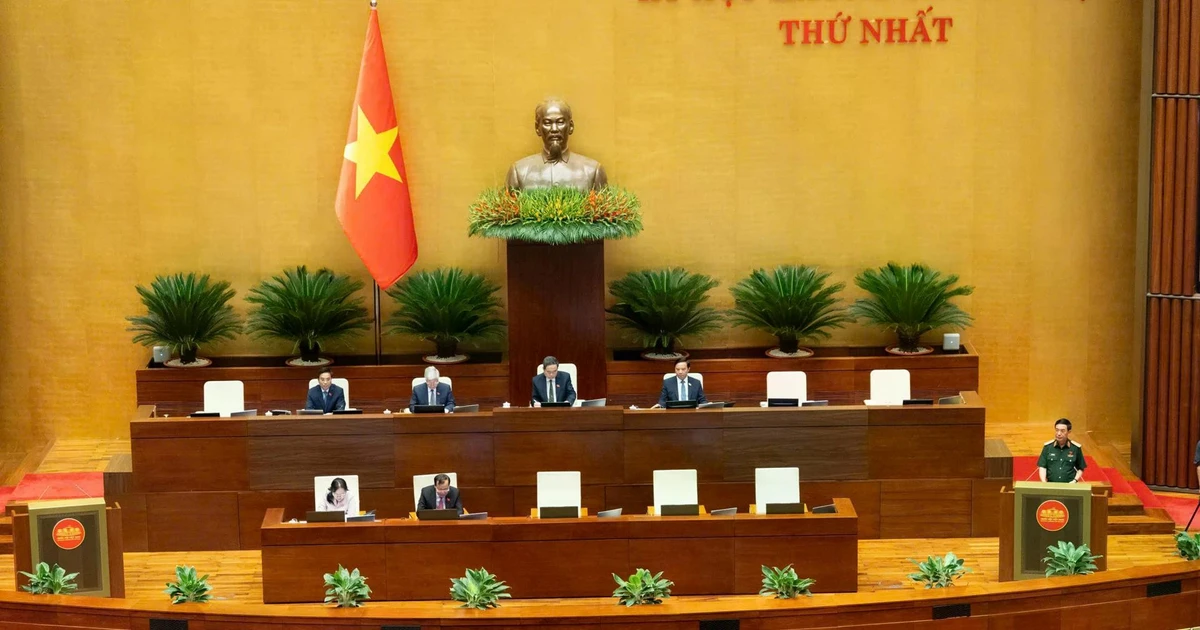

The most contentious of these applies to the Phú Quốc special zone in An Giang province to prepare for the APEC 2027 summit.
Under this resolution, approved by 464 out of 476 present delegates, investors and contractors may dispose of construction waste in land areas within Phú Quốc even if those sites do not align with existing waste disposal planning, as reported by VietnamPlus. The mechanism also addresses the recovery of minerals during construction, shifting the responsibility for the accuracy of invoices and documentation to the contractors while maintaining the province's duty to determine financial obligations.
The An Giang provincial government must implement relocation plans for waste sites that encroach upon the core of natural heritage zones. Finance Minister Ngô Văn Tuấn emphasized that these measures must not create precedents
for similar cases and must be limited strictly to authorized APEC projects, via VietnamPlus.
The National Assembly passed specific resolutions to resolve bottlenecks for wind and solar power projects and approved the separation of the Ninh Thuận nuclear power plant into independent projects. Infrastructure priorities also include the Ring Road 5 project in the Hanoi Capital Region and adjustments to the Lào Cai-Hà Nội-Hải Phòng railway, according to Baolamdong.
The Assembly approved the establishment of the cities of Quảng Ninh and Bắc Ninh, alongside a new Law on Urban Development that introduces specific mechanisms for special-class cities and sea reclamation urban areas, reported Suckhoedoisong.
Four national target programs have been integrated into a single unified National Target Program for socio-cultural, rural, ethnic, and mountainous development for the 2026-2035 period, according to Suckhoedoisong.
The legislative session also addressed the rights of Vietnamese workers abroad through amendments to the Law on Vietnamese Workers Working Abroad under Contract.
The laws governing Telecommunications, Electronic Transactions, and Radio Frequency have a deferred start date. These specific legal frameworks will become effective on March 1, 2027.
Economic Deregulation and Sectoral Adjustments
The session, which concluded on 24 August 2026, also targeted internal security and legal frameworks. The National Assembly discussed the project for the Law on the Organization of Criminal Investigation Agencies (amended), with the Minister of Public Security providing clarifications on the orientation and policies of the project, as reported by Baolamdong.
Specific amendments to the Law on Publishing now include a three-tier control system consisting of content appraisal, approval of publishing plans, and the appraisal of deposit copies. Meanwhile, changes to the Law on Architecture aim to increase decentralization of power to provincial and communal people's committees, as noted by Kienthuc.
The legal reforms also touch upon infrastructure and cultural heritage. The Assembly approved the relocation of three monuments to facilitate the road project connecting Gia Bình International Airport with Hanoi and the construction of the People's Public Security Air Force Regiment barracks. For the APEC 2027 projects, the government will continue to evaluate construction price and quota discrepancies to propose appropriate solutions. For the provincial authorities, the next step involves reporting these specific cost differences to the government to seek guidance from competent authorities.
Legislative Timeline and Regulatory Impact
The final session of the first extraordinary meeting of the 16th National Assembly, which concluded on 24 August 2026, followed a sequence of high-volume legislative approvals starting on 23 August. According to Kienthuc, the previous day saw the passage of the Law on Popularization and Legal Education (amended) with 466 out of 475 delegates in favor, and the Law on Oil and Gas (amended) with 473 out of 475 delegates approving. The Assembly also passed the Law on Prevention and Control of the Dissemination of Weapons of Mass Destruction with 473 out of 474 votes in favor.
Beyond economic deregulation, the Assembly approved the relocation of three monuments to clear paths for the road connecting Gia Bình International Airport to Hanoi and the construction of the People's Public Security Air Force Regiment barracks.
Regarding the APEC 2027 projects in Phú Quốc, the government continues to examine discrepancies in construction quotas and pricing. For the provincial authorities, the next step involves reporting these specific cost differences to the government to seek guidance from competent authorities.
How significant is this development?
Contribute your assessment to the aggregated reader intelligence ledger.
Archypedia is dedicated to independent, evidence-backed reporting. This briefing was synthesized from primary source reporting, corroborated across independent newsrooms, and verified against our Editorial Standards.
Transparency record
Evidence behind this report
This report synthesizes 7 distinct sources. Open the source ledger below to compare the underlying coverage.
- kienthuc.net.vn
- baolamdong.vn
- suckhoedoisong.vn
- vietnamplus.vn
- tinnhanhchungkhoan.vn
- vietnam.vnanet.vn
- baomoi.com
Prepared under the Archypedia Editorial Policy by the Elena Voss editorial desk profile. AI-assisted tools may support drafting and verification; public accountability remains with Archypedia. Report an error.