US 30-year fixed mortgage rate hits 6.85%, highest since June 2025
Rising Treasury yields and inflation concerns have pushed fixed mortgage rates higher, triggering a surge in adjustable-rate mortgage demand to 8.5% of applications.
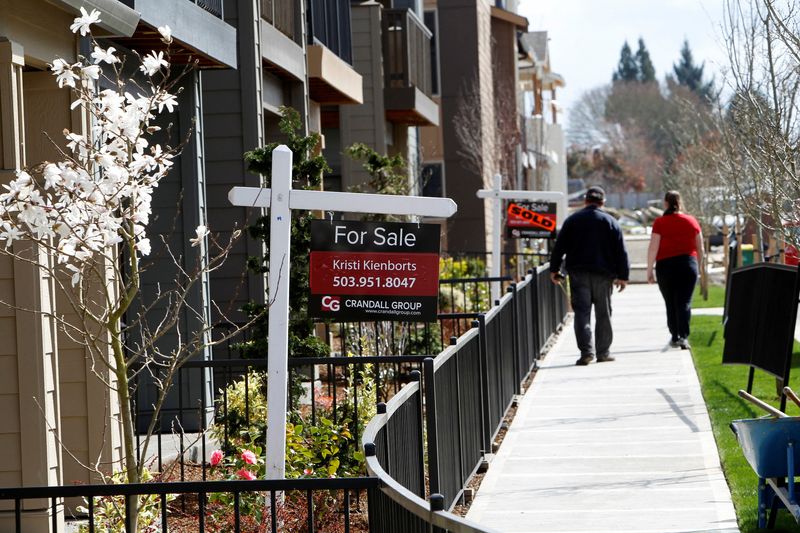
Prospective homebuyers in the United States are increasingly abandoning the 30-year fixed mortgage in favor of adjustable-rate options as borrowing costs climb toward a new peak. The average interest rate for a 30-year fixed home loan hit 6.85% in the week ended September 4, the highest level since June 2025, according to data from the Mortgage Bankers Association (MBA) reported by Aol and usmuslims.com.
This 6-basis-point rise from the previous week's 6.79% has triggered an immediate shift in borrower behavior. While the cost of long-term fixed debt rises, the average rate for a 5-year adjustable-rate mortgage (ARM) fell to 5.82%, down from 5.94% the week prior. This spread has pushed ARM demand to 8.5% of all mortgage applications, up from 8% the previous week, according to Finance.
Related YouTube video



The Macroeconomics of Residential Borrowing
The climb in mortgage rates reflects broader pressures on U.S. Treasury yields. According to aol.com, several converging factors are driving this volatility. Escalating hostilities in the Middle East have pushed up oil prices, fueling inflation concerns. These worries are compounded by a federal budget deficit that topped $40 trillion in August.
Furthermore, corporate competition for capital to fund artificial intelligence infrastructure is absorbing liquidity, contributing to upward pressure on yields. These dynamics have kept inflation running above the Federal Reserve's 2% goal for 5-1/2 years. The impact is visible in the 10-year Treasury yield, which approached 4.8% on Tuesday — near its highest level since October 2023, per aol.com.
The result is a market in a "wait-and-see" posture. Total mortgage application volume dropped 2.7% on a seasonally adjusted basis last week. Refinancing has been hit hardest, with applications retreating 6.2% over the week and landing 25% below year-ago levels, a contraction pace not seen since May 2025, according to the MBA.
| Loan Type / Metric | Current Rate / Level | Previous Week / Period |
|---|---|---|
| 30-Year Fixed Mortgage Rate | 6.85% | 6.79% |
| 15-Year Fixed Mortgage Rate | 6.17% | 6.14% |
| 5-Year ARM Average Rate | 5.82% | 5.94% |
| ARM Share of Total Applications | 8.5% | 8.0% |
| Total Mortgage Applications Change | -2.7% | Prior week basis |
| Refinancing Applications Change | -6.2% | Prior week basis |
The Lock-In Effect and the Buyer Divide
While aggregate demand is constrained, a sharp behavioral divide has emerged between those entering the market and those already in it. Analysis from Odeta Kushi, deputy chief economist at First American Data & Analytics, reported by Mpamag, shows that first-time buyer activity is declining at roughly half the rate of repeat buyers.
This is the "rate lock-in effect." A significant number of existing homeowners hold mortgages originated at 3% or 4%. Trading those legacy rates for a new loan in the mid-6% range — often on a more expensive home, makes staying put the more rational financial choice. Kushi noted that first-time buyers have no low-rate mortgage to surrender; instead, their challenge is whether they can afford to enter the market at all.
Data from the American Enterprise Institute (AEI) Housing Center underscores this resilience. In May, first-time buyers accounted for 63.3% of agency purchase loans. Through the first five months of 2026, the volume of these loans fell by only 0.3% compared to the same period in 2025, while repeat-buyer volume declined 2%.
To navigate the affordability gap, first-time buyers are increasingly relying on unconventional funding, including:
- Gift funds from family members.
- Extended loan terms.
- Lower entry-price targets.
Strategic Shifts to Adjustable Debt
The move toward ARMs represents a survival mechanism against the 30-year fixed rate's trajectory. For perspective, ARM demand sat at around 3% during the pandemic's opening years when fixed rates bottomed out. The jump to 8.5% indicates a willingness among borrowers to assume the risk of a rate reset after five years in exchange for immediate relief.
The cost difference is concrete. For conforming loan balances of $832,750 or less, the 30-year fixed rate averaged 6.85%, with points moving up to 0.67 from 0.65 on loans with a 20% down payment, including the origination fee, according to finance.yahoo.com.
This volatility has been a recurring theme for 2026. Joel Kan, MBA vice president and deputy chief economist, stated that the current 6.85% rate is 36 basis points higher than a year ago. The rate had previously hit a one-year high of 6.66% in late July before easing slightly to 6.77% in mid-August.
Frequently Asked Questions
Why are 30-year fixed mortgage rates rising while purchase applications hold relatively steady?
Mortgage rates are climbing due to higher U.S. Treasury yields, driven by federal debt surpassing $40 trillion, inflation concerns fueled by Middle East hostilities and oil prices, and competition for capital from AI infrastructure projects. Purchase applications remain steadier because first-time buyers lack an existing low-rate mortgage to give up, making them less susceptible to the lock-in effect than repeat buyers.
How are borrowers adapting to mortgage rates approaching 7%?
Borrowers are shifting toward adjustable-rate mortgages, which now make up 8.5% of total applications due to lower initial rates (averaging 5.82%). First-time buyers are also utilizing gift funds, extended loan terms, and more modest home purchase targets.
The trajectory of borrowing costs now depends on a specific sequence of data. The market is awaiting the release of the producer price index on Thursday and the consumer price index on Friday. These readings will likely shape the outcome of the Federal Reserve's rate-setting meeting on September 15 to 16.
Traders are currently betting a Fed rate hike is more likely than a continued hold, though cooler inflation readings could shift that perception. Regardless of the outcome, aol.com reports there is no indication the Federal Reserve will deliver the interest-rate cut that President Donald Trump has called for.
Archypedia is dedicated to independent, evidence-backed reporting. This briefing was synthesized from primary source reporting, corroborated across independent newsrooms, and verified against our Editorial Standards.
Transparency record
Evidence behind this report
This report synthesizes 4 distinct sources. Open the source ledger below to compare the underlying coverage.
Prepared under the Archypedia Editorial Policy by the Elena Voss editorial desk profile. AI-assisted tools may support drafting and verification; public accountability remains with Archypedia. Report an error.


