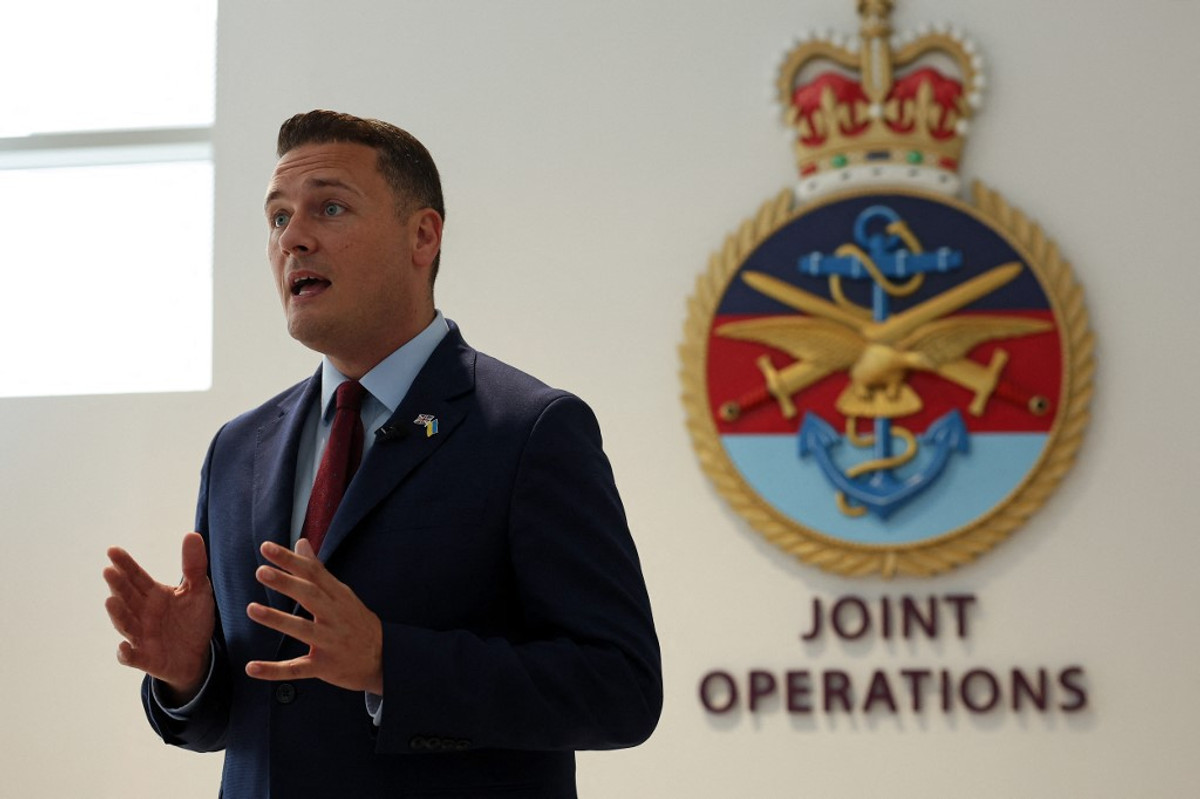
UK allows Ukraine to produce Storm Shadow missiles locally
Ukraine is transitioning from a passive recipient of aid to an industrial partner by gaining access to classified technology for long-range munitions.

For more than four years, Ukraine has operated under a supply model defined by waiting: awaiting political approval for specific shipments of finished weapons decided by Western capitals. A new model is now emerging that replaces the delivery of crates with the transfer of blueprints, granting Kyiv access to the classified technology required to build its own long-range munitions.
On August 24, the United Kingdom authorized the defense group MBDA to transfer secret technical data to Ukraine regarding British-manufactured components of the SCALP cruise missile, known in the UK as the Storm Shadow. According to reporting by Danviet, this move shifts Ukraine from a passive recipient of aid to an industrial partner, reducing the degree to which its strategic capabilities are subject to the shifting political decisions of foreign governments.
Related YouTube video

The Mechanism of Technical Transfer
The Storm Shadow is a joint Anglo-French development from the 1990s, creating a deep technical interdependence between the two nations. While France had agreed to the transfer in principle, Paris could not authorize the release of all necessary documentation alone. Foreign policy expert Anton Kuchukhidze, via Danviet, noted that the UK's approval was the final step required to complete the process.
This transfer represents an escalation of existing technical ties rather than a starting point. British engineers have previously modified missiles to be compatible with Ukrainian aircraft, including the development of specific pylons. These modifications enabled the Storm Shadow to be launched from modernized Su-24s, as well as MiG-29s and French-supplied Mirage 2000s.
The technical specifications of the hardware being localized include:
| Specification | Storm Shadow / SCALP Detail |
|---|---|
| Range | Up to 550 km |
| Target Type | Fortified targets |
Assembly vs. Full Production
Ukraine cannot immediately manufacture these missiles from scratch despite the transfer of secret data. The transition from receiving aid to autonomous production involves a steep technical climb. Experts cited by Danviet explain that Kyiv must first master several complex stages, including the fabrication of the missile body and the calibration and certification of propulsion systems, engines, and fuzes.
The initial phase of the program will likely be limited to assembly—putting together components manufactured elsewhere—rather than full-cycle production.
It is a transition from assistance to industry.
Drivers of the Industrial Shift
A crisis of supply in Europe is driving the move toward local production. Years of conflict have significantly depleted European missile reserves, forcing MBDA to reactivate production lines that had been dormant for years just to replenish existing stocks, according to Danviet.
A shift in American policy served as a geopolitical catalyst for this acceleration. Washington previously withdrew its commitment to allow Ukraine to produce missiles for the Patriot system, which Danviet reports left Europe to shoulder a greater share of Kyiv's industrial defense needs. This vacuum coincided with a move by the European Commission on the same day as the UK authorization to approve a new defense procurement package exceeding 6 billion euros for radar, ammunition, and air defense systems.
By producing the Storm Shadow under license, Ukraine seeks to augment its existing domestic projects, such as the Neptune and Flamingo missiles, creating a domestic arsenal less vulnerable to external political volatility.
Strategic Consequences
The shift toward "defense industrial cooperation" is viewed as a model that is much harder to reverse than the delivery of individual weapon shipments. Once the technical data is transferred and assembly lines are established, the capability remains within the country regardless of changes in foreign administrations.
The fundamental change is not merely the quantity of missiles available, but the locus of control. The decision-making process is shifting from Western capitals to production managers in Ukraine.
The target for the start of production is the end of 2026.
Industrial Integration and Localized Assets
The strategic shift toward domestic production is intended to create a layered defense architecture. By securing the license for the Storm Shadow, Kyiv aims to integrate this high-end Western technology alongside its own indigenous developments. Danviet reports this will allow Ukraine to manage a more diverse arsenal that includes the domestically developed Neptune and Flamingo missiles.
This progression is necessitated by the current state of European industry. As reported by Danviet, MBDA was forced to reactivate production lines that had been dormant for years to replenish European reserves, which were significantly depleted by the conflict.
The transition converts Ukraine from a client into a co-production partner. Because this model embeds technical knowledge and physical assembly lines within Ukrainian borders, it creates a structural dependency more resistant to political changes in donor capitals.
For Kyiv, the immediate requirement is the mastery of the complex calibration and certification processes for propulsion and guidance systems before full-scale manufacture can begin.
Archypedia is dedicated to independent, evidence-backed reporting. This briefing was synthesized from primary source reporting, corroborated across independent newsrooms, and verified against our Editorial Standards.
Transparency record
Evidence behind this report
This report synthesizes 5 distinct sources. Open the source ledger below to compare the underlying coverage.
Prepared under the Archypedia Editorial Policy by the Elena Voss editorial desk profile. AI-assisted tools may support drafting and verification; public accountability remains with Archypedia. Report an error.