SpaceX shares fall below IPO price for first time as market rally cools
SpaceX stock fell below its $135 IPO price for the first time during trading on July 15, 2026, marking a shift in market sentiment since its June market debut.
Shares of SpaceX fell below their initial public offering price for the first time on Wednesday, July 15, 2026. The decline marks a sharp cooling of the investor fervor that surrounded the company’s June 12, 2026, market debut, which previously established the firm as the largest IPO in history and briefly elevated the net worth of CEO Elon Musk to trillionaire status.
During trading on Wednesday, the stock reached a low of $132.15, sliding beneath the $135 IPO price. While the shares later recovered to close at $135.27, the day’s movement underscored growing market skittishness. The company’s valuation has retreated from an all-time high of $225.64, which had previously allowed the firm to momentarily surpass the market capitalizations of major technology incumbents like Microsoft and Amazon.
Related media

Market Sentiment and Valuation Pressures
Analysts attribute the downward trend to a combination of profit-taking, a reassessment of stretched valuations, and a broader cooling of enthusiasm for artificial intelligence-linked investments. According to Daniela Hathorn, a senior market analyst at Capital.com, the movement reflects the unwinding of extremely bullish positioning established during the IPO. Furthermore, Steve Sosnick, chief market analyst at Interactive Brokers, noted that a lack of recent catalysts has left investors questioning the initial excitement. The fact that a stock has fallen a couple of dollars below its IPO price in itself is not a tragedy, but SpaceX is heavily watched and has an important role in investor psyche,
Sosnick said.
The skepticism appears tied to the company’s heavy capital expenditure on AI-related infrastructure. SpaceX reported $4.9 billion in losses last year, and the company’s recent entry into the bond market to raise $25 billion has sparked debate on Wall Street regarding the return prospects of such investments. Critics have long argued that the firm’s valuation was based more on narrative than on near-term fundamentals. Matthew Maley, chief market strategist at Miller Tabak, stated that the breach of the IPO price suggests to some that the stock’s rise was driven by speculation and froth rather than concrete financial performance.
Upcoming Challenges and Constraints
The company now faces a series of near-term hurdles that analysts suggest could further pressure the share price:
- Earnings Disclosure: The company is expected to release its first post-listing results in the first week of August 2026. Management has indicated these results will be published exclusively via their official website and X account rather than traditional wire services.
- Lock-up Expiration: Following the earnings report, the first phase of the IPO lock-up period will expire. This will allow eligible employees and early shareholders to sell portions of their holdings, potentially increasing supply in the market.
- Technical Volatility: Reports indicate that only 4% of the company’s total shares are currently trading on the Nasdaq. This small public float has contributed to significant volatility, as the stock has dropped nearly 13% since its inclusion in the Nasdaq 100 index.
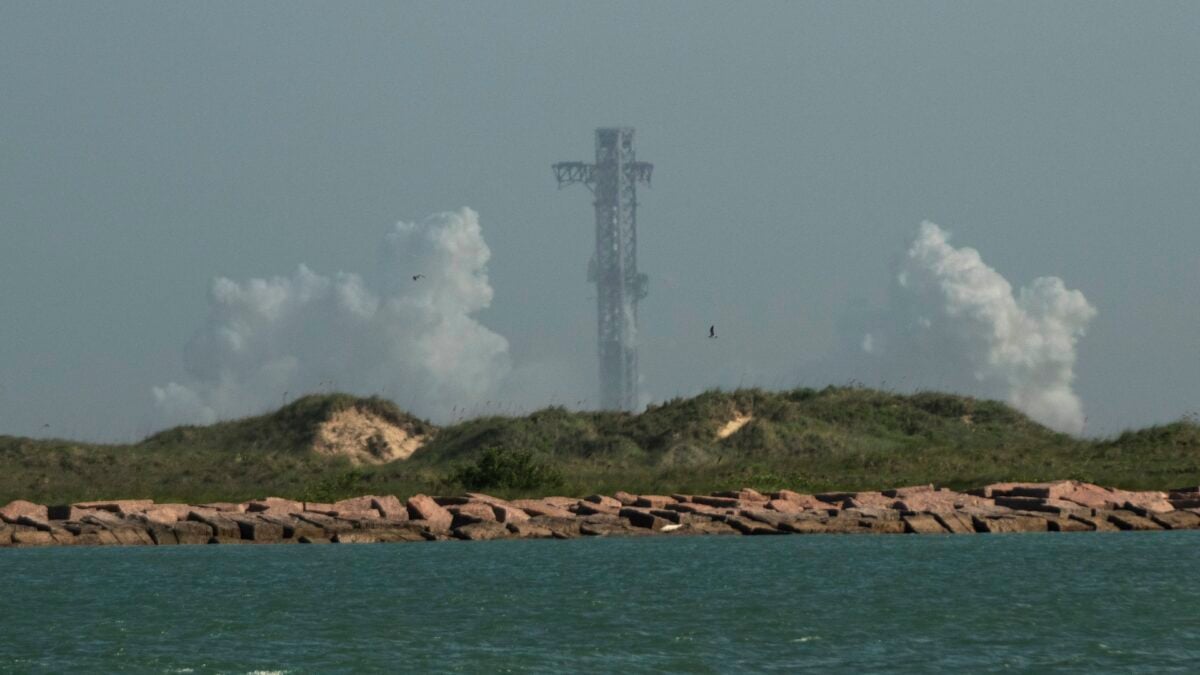
- Operational Milestones: Investors are closely monitoring the 13th Starship test flight. While the rocket’s development is essential for lowering launch costs and enabling long-term goals like orbital data centers and lunar missions, the company has confirmed that both stages of the rocket are expected to end in an intentional descent into the Gulf of Mexico, regardless of flight performance.
For investors who purchased shares at the IPO price, the current decline represents the first time they have faced paper losses. The situation is also being watched as a bellwether for other large technology firms that have filed for potential public offerings. Justus Parmar, CEO of Fortuna Investments, noted that while some early investors may be seeking liquidity, the long-term growth trajectory remains the primary focus. We’re really on maybe 30 days or so into this experiment, still so very early,
Parmar said. The big thing is Elon got his $85 billion to take SpaceX to the next level of growth, which will take many years to see how that plays out.
Archypedia is dedicated to independent, evidence-backed reporting. This briefing was synthesized from primary source reporting, corroborated across independent newsrooms, and verified against our Editorial Standards.
Transparency record
Evidence behind this report
This report synthesizes 7 distinct sources. Open the source ledger below to compare the underlying coverage.
- whbl.com
- newspim.com
- theguardian.com
- finance.yahoo.com
- forbes.com
- economictimes.indiatimes.com
- techcrunch.com
Prepared under the Archypedia Editorial Policy by the Elena Voss editorial desk profile. AI-assisted tools may support drafting and verification; public accountability remains with Archypedia. Report an error.