Logistics billionaire Klaus-Michael Kühne dies at 89
The death of the Kühne+Nagel tycoon transfers significant stakes in companies like Lufthansa and Hapag-Lloyd to the Kühne-Stiftung.
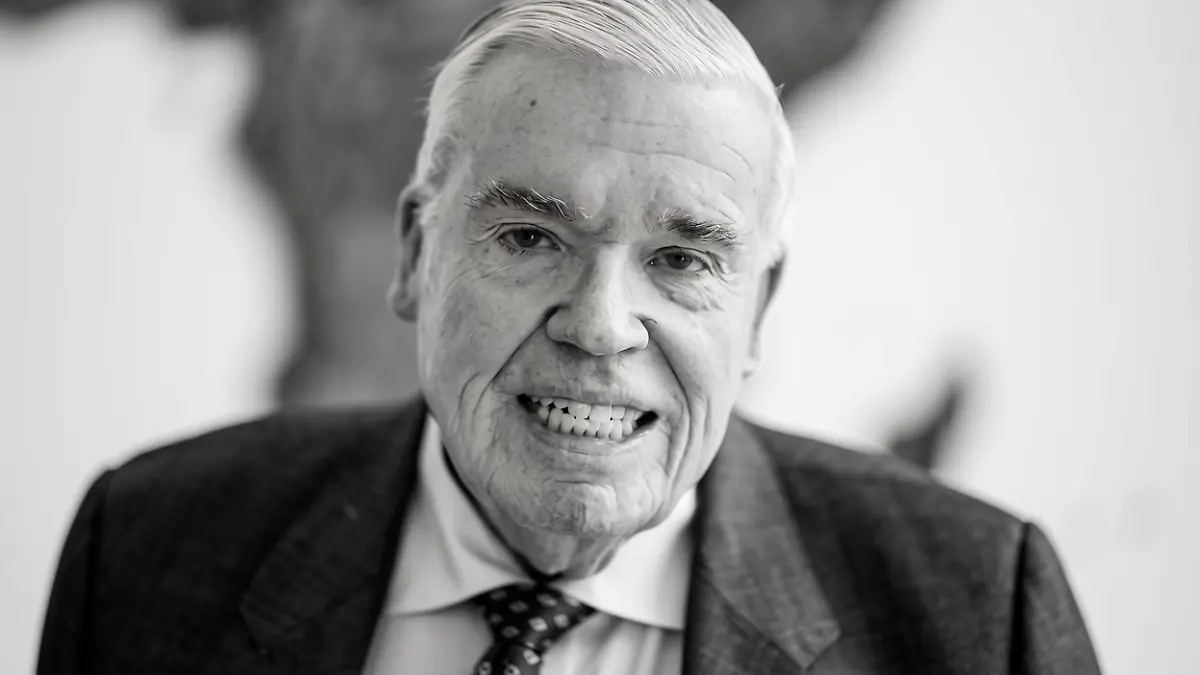
A fortune estimated by Handelsblatt at 36 billion euros is transitioning from the private control of Klaus-Michael Kühne to the Kühne-Stiftung following the death of the logistics businessman on August 24, 2026. Kühne died at the age of 89 in Schindellegi, Switzerland, as confirmed by the Kühne+Nagel Group.
The shift moves the levers of several German industrial pillars from a childless founder to a philanthropic foundation. Kühne’s holding company maintains significant stakes in the national carrier Lufthansa (20%) and the shipping line Hapag-Lloyd (approximately 30%). He also held interests in the chemical logistics firm Brenntag and the transport company Flix, according to Bluewin.
Related YouTube video
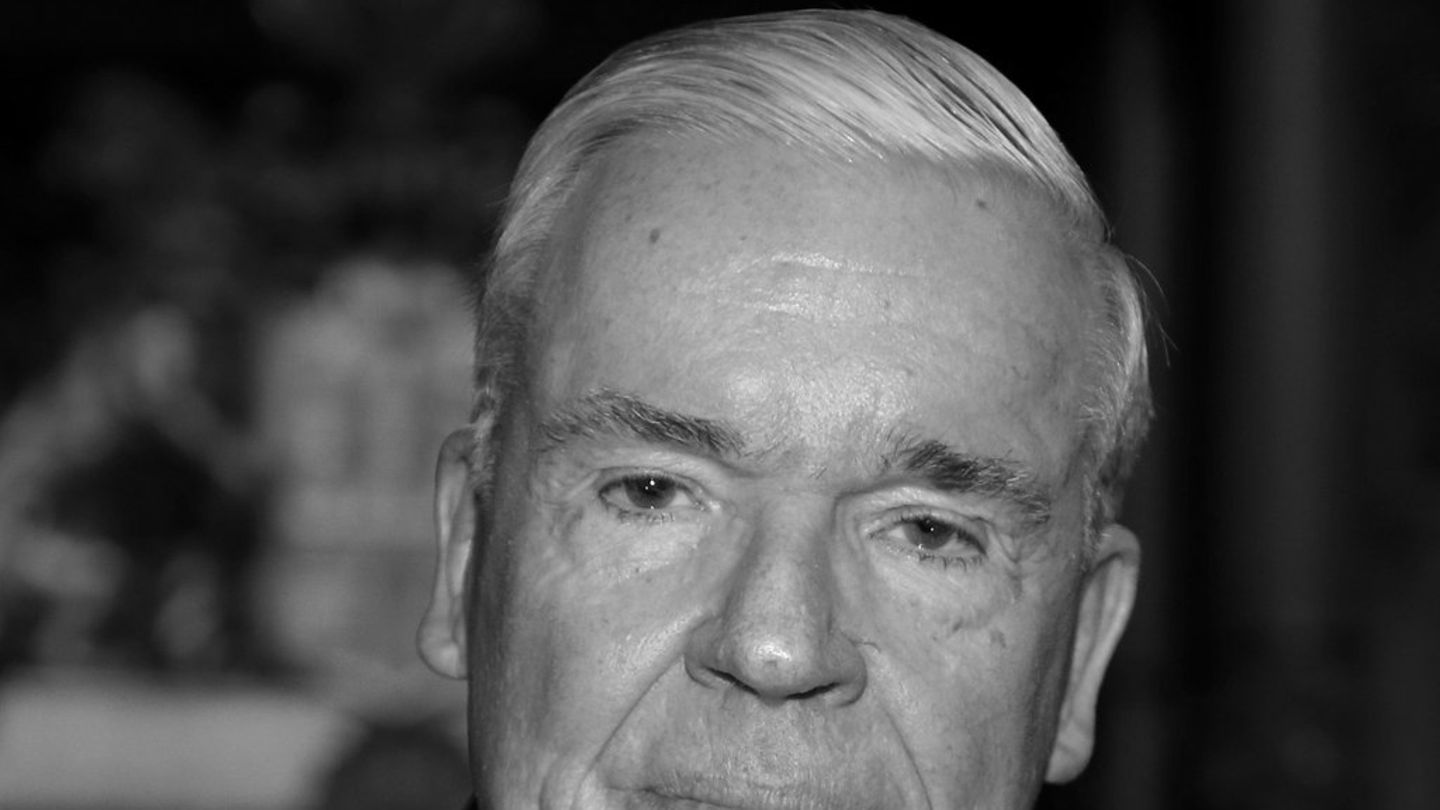

The scale of this estate is subject to disagreement among financial trackers. While Handelsblatt places his wealth at 36 billion euros, the Swiss magazine Bilanz estimated it between 21 and 22 billion Swiss francs. Rtl reported that 2025 estimates suggested a figure of 35 billion euros, noting that the majority of this capital is tied to shares in his primary company.
Kühne's final months were marked by a steep decline in physical autonomy. According to Gala, Kühne told the Frankfurter Allgemeine Zeitung in the spring of 2025 that he suffered from polyneuropathy, a nervous system disorder that left him barely able to stand or walk. He had previously undergone a major operation that further limited his mobility. Bluewin reports that Kühne had returned to Schindellegi from Mallorca ten days before his death to seek medical treatment.
The 'Savior' of Hamburg
In his home city of Hamburg, Kühne functioned as a private safety net for both cultural and sporting institutions. His influence extended beyond simple investment; he provided a 1 billion euro donation to ensure Hapag-Lloyd remained headquartered in Hamburg. In the arts, he and his wife Christine contributed millions to the Elbphilharmonie, and the Kühne-Stiftung is currently funding the planning and construction of a new Hamburg State Opera in the HafenCity.
The financial stability of the Hamburger SV (HSV) football club was similarly tethered to his personal wealth. Kühne injected approximately 100 million euros into the club over several years and at one point held more than 20 percent of the HSV Fußball AG, according to Zdfheute.
However, the image of the entrepreneur was not without friction. Gala notes that Kühne remained a controversial figure due to the absence of a comprehensive reckoning regarding the activities of his company during the NS regime.
The corporate transition now moves from the operative hand of a man who took over his grandfather's 1890-founded shipping company at age 29 to the administrative structure of the Kühne-Stiftung. Founded in 1976, the foundation focuses on logistics, climate, medicine, and culture, and is described by the company as one of the largest of its kind in Europe.
Corporate and Civic Influence
| Entity | Kühne's Connection / Stake |
|---|---|
| Lufthansa | 20% ownership stake |
| Hapag-Lloyd | Approx. 30% ownership stake |
| Kühne+Nagel | Majority owner and former operative lead |
| HSV | Investor; former >20% stake in HSV Fußball AG |
| Hamburg State Opera | Funding for new build via Kühne-Stiftung |
The immediate impact for the HSV is not merely emotional but structural. While the club has mourned the man they referred to internally as KMK
, the legal status of their stadium's identity is now a fixed deadline. In 2025, Kühne's holding company re-acquired the naming rights to the Volksparkstadion to prevent the return of corporate branding.
That specific agreement on the naming rights expires in three years.
The Architecture of an Empire
The scale of the operation Kühne left behind is defined by a global footprint. According to the Kühne+Nagel Group, the company is one of the world's leading logistics service providers. This reach was a deliberate long-term project; Bluewin reports that Kühne once stated his ambition was to create a weltumspannende Organisation
(world-spanning organization), a process he noted took decades to achieve.
His path to this position began not in logistics, but in a Hamburg banking house. He entered the family business in 1958 at age 21, eventually taking the helm in 1966. While he maintained operative responsibility for decades, his final roles within the company were as Chairman of the Board of Directors and, most recently, as a member of the board.
The transition of power now shifts to the administrative layer of the foundation and the corporate board. Jörg Wolle, President of the Board of Directors at Kühne+Nagel, described the deceased as a Visionär
(visionary), a großartigen Unternehmer
(great entrepreneur) and an außergewöhnliche Persönlichkeit
(extraordinary personality) in a statement via RTL. While ZDFheute notes that Kühne invested a total of 1 billion euros into Hamburg by 2018, the specific protections he placed on the city's landmarks are time-bound.
The most immediate tension involves the Volksparkstadion. Having secured the naming rights in 2025 to block corporate branding, the holding company's agreement is temporary. The next step for the stadium's identity will be determined when that three-year contract expires.
Kühne leaves behind his wife, Christine Kühne, whom he married in 1989. Having no biological children, he arranged for his wealth to pass to the Kühne-Stiftung, ensuring the continuation of his influence over the logistics industry and the civic development of Hamburg.
How significant is this development?
Contribute your assessment to the aggregated reader intelligence ledger.
Archypedia is dedicated to independent, evidence-backed reporting. This briefing was synthesized from primary source reporting, corroborated across independent newsrooms, and verified against our Editorial Standards.
Transparency record
Evidence behind this report
This report synthesizes 4 distinct sources. Open the source ledger below to compare the underlying coverage.
Prepared under the Archypedia Editorial Policy by the Elena Voss editorial desk profile. AI-assisted tools may support drafting and verification; public accountability remains with Archypedia. Report an error.