El precio de la luz de este domingo deja cinco horas por debajo de los 0 euros
While renewable overproduction drives wholesale electricity prices below zero for five hours, regulated retail consumers face daily averages of 132,08 euros per MWh.

While the Iberian wholesale electricity market records five hours of negative pricing on Sunday, August 2, 2026, regulated household consumers face a sharply contrasting retail reality. Although the wholesale pool dips into sub-zero territory, families relying on the regulated PVPC tariff absorb a daily average price of 132,08 euros/MWh, according to data from Noticias Trabajo based on Red Eléctrica figures.
This stark divergence highlights the gap between wholesale market mechanics and the final bills paid by households. While wholesale prices offer deep midday troughs driven by renewable overproduction, regulated retail consumers navigate severe intraday volatility, including eight distinct hourly blocks exceeding 200 euros/MWh during periods of high demand and deactivated tax buffers.
Related YouTube video
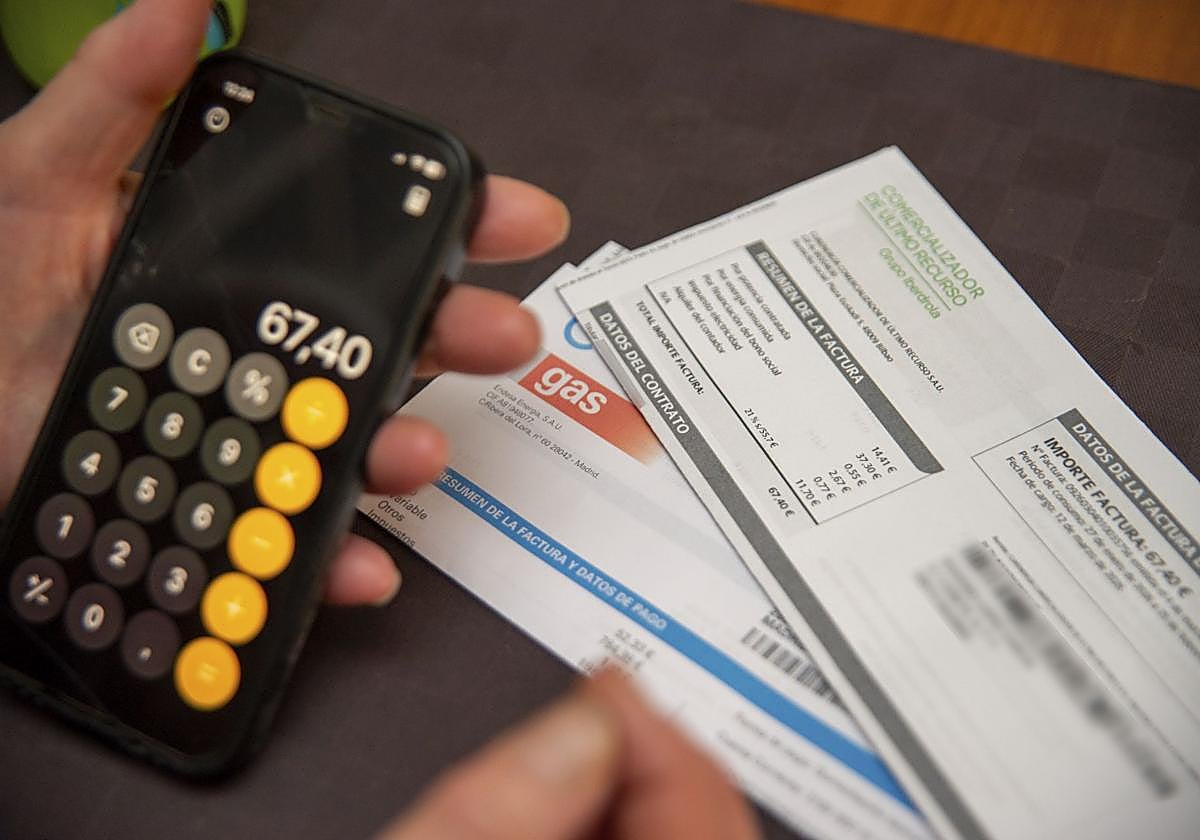

The paradoxical appearance of negative prices in the wholesale market stems from a structural mismatch between supply and demand. According to Las Provincias, reporting data from the Operador del Mercado Ibérico de la Energía (OMIE), the wholesale pool records an average of 106,20 euros/MWh for the day. This downward trend is fueled by an excess generation of renewable energies — specifically hydraulic and wind generation — combined with the naturally low electricity demand characteristic of the weekend. When generation surpasses current consumption, the surplus pushes market bids below zero.
The OMIE wholesale ledger maps five consecutive negative hours starting late morning. The deepest trough occurs between 13:00 and 14:00, sinking to -0,22 euros/MWh, flanked by hours at -0,11 euros/MWh, -0,09 euros/MWh, -0,03 euros/MWh, and -0,01 euros/MWh. However, retail consumers on the PVPC tariff do not receive these negative figures directly on their bills. Red Eléctrica data shows that even during the cheapest retail hour, logged between 12:00 and 13:00, the PVPC rate rests at a positive minimum of 9 euros/MWh, with subsequent hours hovering near that floor before climbing steeply.
Broader macroeconomic and fiscal pressures exacerbate these consumer costs. The overarching energy context involves geopolitical tension in the Middle East, which drives up natural gas prices and, by extension, wholesale electricity costs, as noted by Las Provincias. Furthermore, the Spanish government deactivated temporary tax reductions on July 1, restoring standard VAT rates on electricity, natural gas, firewood, pellets, and briquetas following year-on-year drops in energy prices recorded earlier in the spring.
For households attempting to manage their energy expenses, these dynamics require strategic timing of heavy appliances. Experts recommend concentrating intensive power usage, such as running washing machines or dishwashers, during the midday windows when retail prices drop toward their daily minimums. Conversely, consumers face steep financial penalties for grid usage during evening demand surges, when the PVPC rate climbs rapidly past the 200-euro threshold across multiple evening blocks.
The financial pressure peaks at the close of the weekend. According to Noticias Trabajo, the most expensive single hour of the day occurs between 22:00 and 23:00, when the regulated PVPC rate reaches its daily high of 252,24 euros/MWh.
Managing Household Efficiency Amid Market Volatility
Beyond the immediate hourly fluctuations on the wholesale and regulated retail schedules, consumer advisory bodies outline practical methods to curb overall electricity consumption. According to guidance detailed by Diario Sur, utilizing appliance settings such as eco cycles on dishwashers can yield substantial savings. Specifically, the Organización de Consumidores y Usuarios (OCU) notes that running a dishwasher at a lower temperature instead of a hotter setting can reduce energy use significantly, while half-load cycles offer minimal efficiency gains compared to waiting for a full load.
- Refrigeration: Keep refrigerator and freezer temperatures adjusted between 4 and 6 degrees Celsius, according to Diario Sur, avoiding placement near ovens, radiators, or direct sunlight.
- Dishwashing: Switch to eco programs operating at 50 degrees Celsius rather than 60 degrees Celsius to achieve up to a 20% reduction in energy usage, as cited by Diario Sur via the OCU.
- Standby Power: Fully disconnect televisions and other dormant electronics rather than leaving them in standby mode, since unmanaged idle devices can draw power comparable to a computer running at full capacity.
- Climate Control: Calculate baseline air conditioning expenses by evaluating minimum and peak rated capacities alongside average tariffs, noting that internal thermostats continually adjust operational draws.
These household management strategies run parallel to broader historical shifts in the energy sector. As consumers navigate these contrasting market realities between regulated retail burdens and wholesale renewable overproduction, the next step for households remains vigilant hourly tracking of the PVPC ledger alongside structural adjustments to daily appliance usage.
Archypedia is dedicated to independent, evidence-backed reporting. This briefing was synthesized from primary source reporting, corroborated across independent newsrooms, and verified against our Editorial Standards.
Transparency record
Evidence behind this report
This report synthesizes 5 distinct sources. Open the source ledger below to compare the underlying coverage.
Prepared under the Archypedia Editorial Policy by the Elena Voss editorial desk profile. AI-assisted tools may support drafting and verification; public accountability remains with Archypedia. Report an error.