China 'strongly dissatisfied' with nationalisation of British Steel
The UK government has brought British Steel into public ownership, ending Jingye Group’s tenure as the owner of the Scunthorpe-based steelmaker.
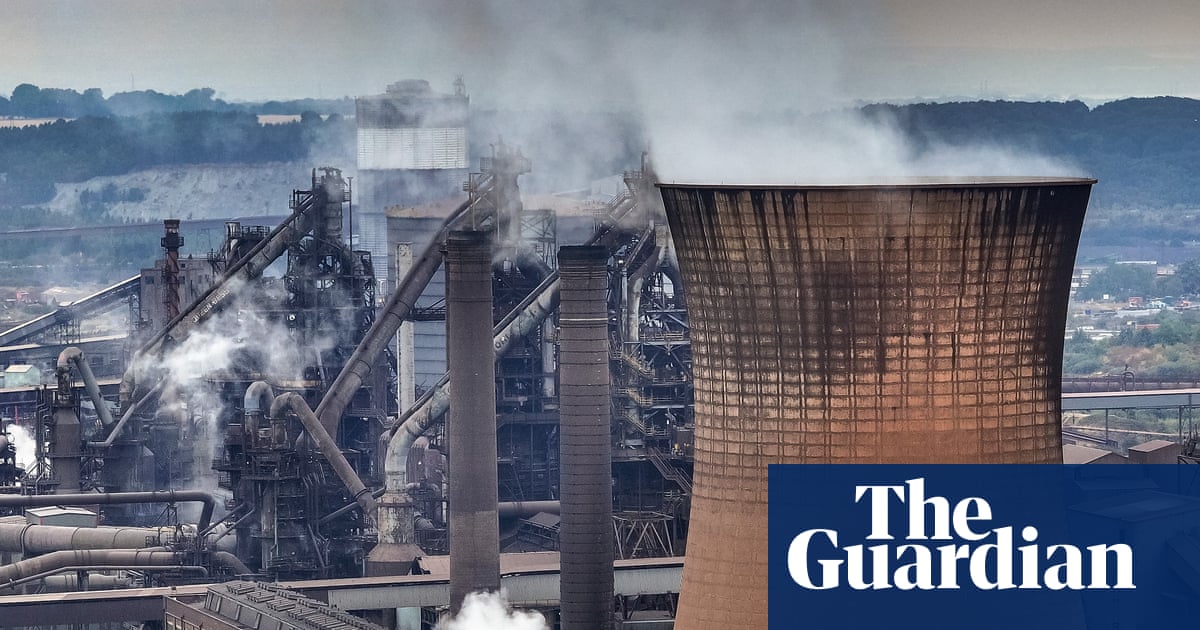
The government of China has expressed strong dissatisfaction following the United Kingdom’s decision to move British Steel into public ownership. The nationalisation, which took effect on Thursday, marks the end of the Chinese company Jingye Group’s tenure as the owner of the Scunthorpe-based steelmaker. According to the Ministry of Commerce in Beijing, the action represents a severe blow to Chinese companies’ confidence in investing in the UK
.
The transition follows the royal assent of the Steel Industry (Nationalisation) Act 2026. This legislation grants ministers the authority to transfer steel businesses’ shares or property into public ownership. While the UK government maintains that the move is essential for national security, the protection of supply chains, and the preservation of industrial capabilities, Chinese officials have characterized the seizure as a forcible
takeover that disregarded the contributions Jingye made to the British economy and society.
Related media
Operational Context and Financial Challenges
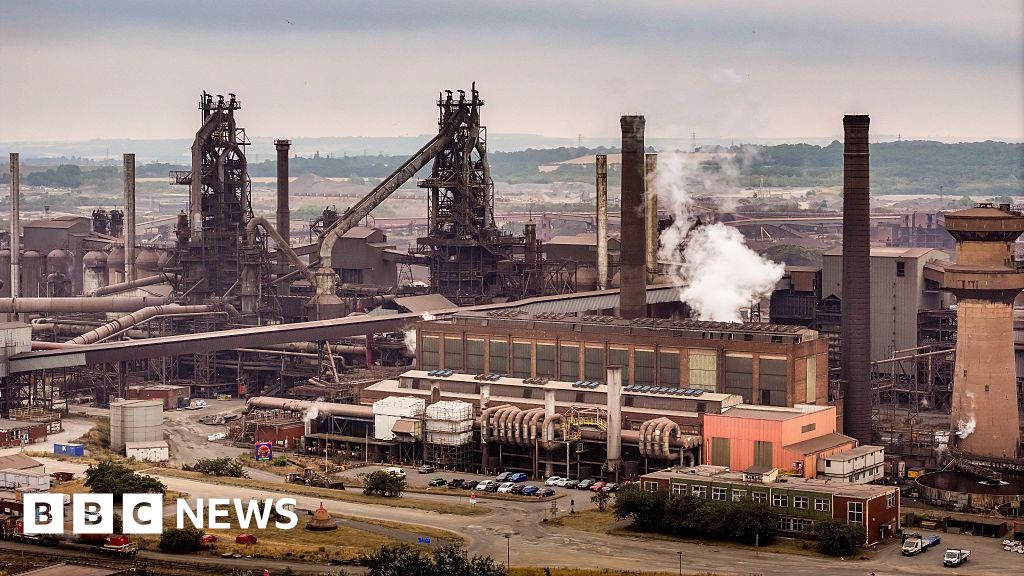
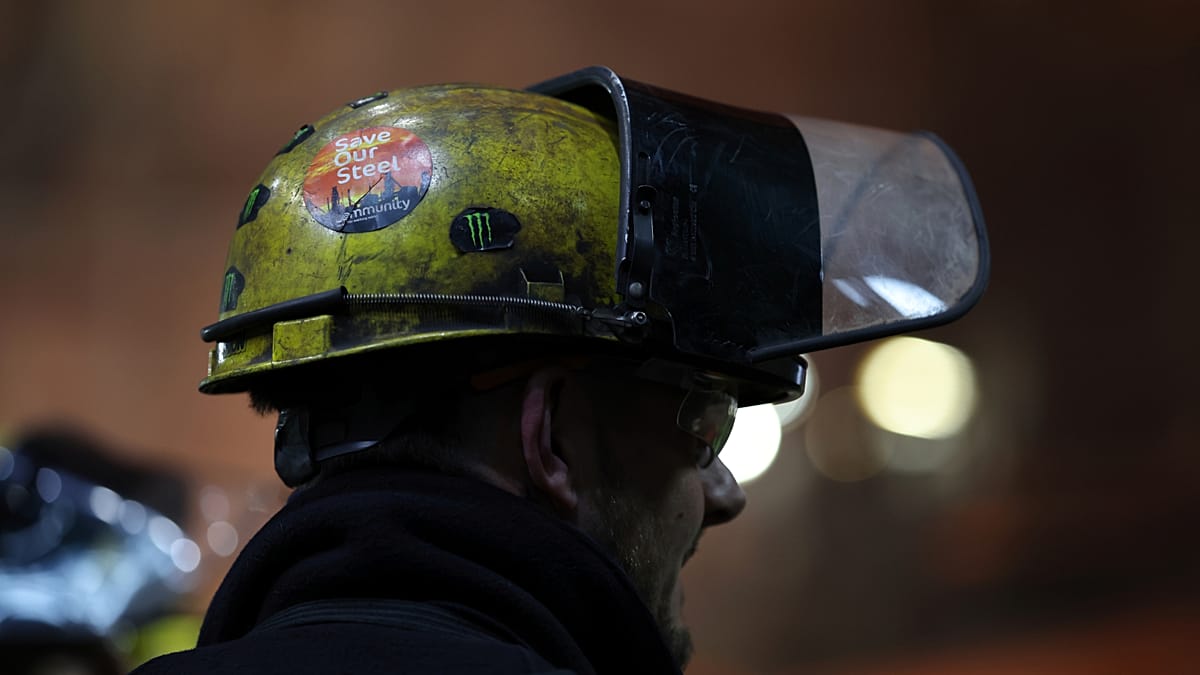
The relationship between the Scunthorpe plant and its previous owners had been strained for an extended period. Although Jingye acquired the company in 2020 and says it has invested more than £1.2bn to keep the plant running in the face of “ongoing production instability”, the operational control of the plant was effectively shifted to the UK government in 2025. This move occurred after Jingye considered closing the site's blast furnaces, which necessitated the emergency recall of parliament in April of that year to pass special measures keeping the facility open. Despite this state intervention, Jingye retained formal ownership, a structure that government officials claimed limited their ability to determine the site's long-term future. By moving the firm into public hands, ministers now possess the authority to manage the plant directly.
The economic sustainability of the site remains a subject of domestic debate. In March, the National Audit Office reported that the Scunthorpe steelworks was costing the government approximately £1.3m per day. Jingye previously stated that the business was losing £700,000 a day. Business Secretary Peter Kyle told the BBC the government would need to cover the running costs "for the immediate future". Regarding the transfer of ownership, an independent evaluation will be carried out to determine whether Jingye will receive compensation.
Strategic and Diplomatic Implications
The Scunthorpe facility remains the only site in the United Kingdom capable of producing virgin steel from raw materials. Ministers have emphasized that the site is a vital national capability, producing specific grades of steel necessary for major infrastructure projects, including work for Network Rail and the building industry. Without this production capacity, officials suggested the UK would risk becoming reliant on global markets and imports from suppliers including China, India, the US and the European Union.
The nationalisation adds complexity to the relationship between London and Beijing as Andy Burnham is set to become the prime minister on Monday. The incoming PM will have to weigh his approach to the issue with the economic benefits of ties with the world's second largest economy. China has formally urged the UK to faithfully fulfil
its obligations under the 1986 China–UK Bilateral Investment Treaty, which was designed to promote and protect investments between the two countries. While the Ministry of Commerce stated it would monitor developments closely and support Chinese enterprises in pursuing legal avenues to safeguard their interests, it did not specify what measures might be taken in response.
As the government integrates British Steel into the public sector, the new leadership team is tasked with transitioning the site toward a commercially sustainable, low-carbon enterprise
.
Archypedia is dedicated to independent, evidence-backed reporting. This briefing was synthesized from primary source reporting, corroborated across independent newsrooms, and verified against our Editorial Standards.
Transparency record
Evidence behind this report
This report synthesizes 12 distinct sources. Open the source ledger below to compare the underlying coverage.
- bbc.com
- theguardian.com
- yahoo.com
- euronews.com
- uk.finance.yahoo.com
- independent.co.uk
- standard.co.uk
- ca.news.yahoo.com
- grimsbytelegraph.co.uk
- dailymail.com
- theedgemarkets.com
- arise.tv
Prepared under the Archypedia Editorial Policy by the Elena Voss editorial desk profile. AI-assisted tools may support drafting and verification; public accountability remains with Archypedia. Report an error.