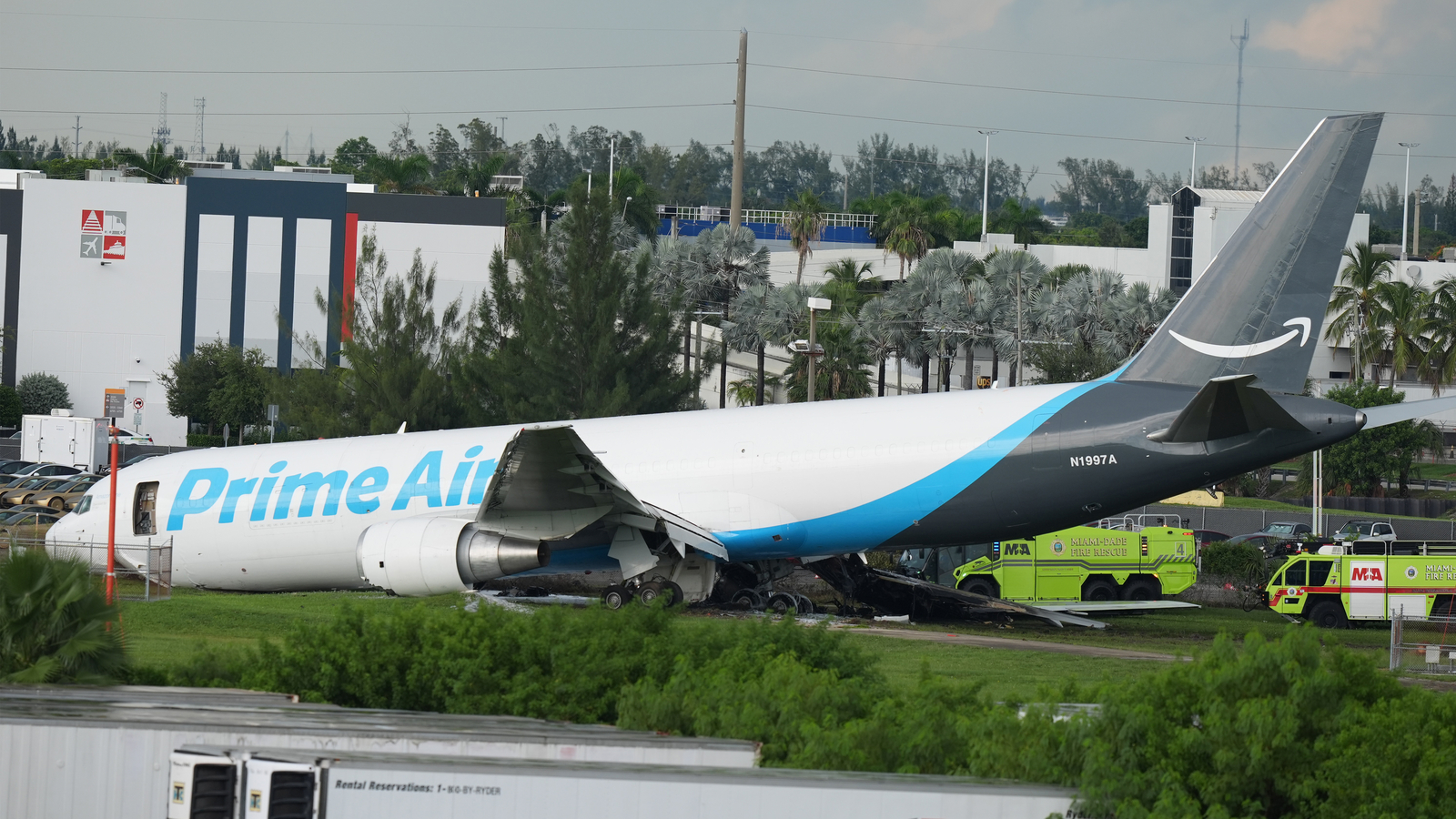
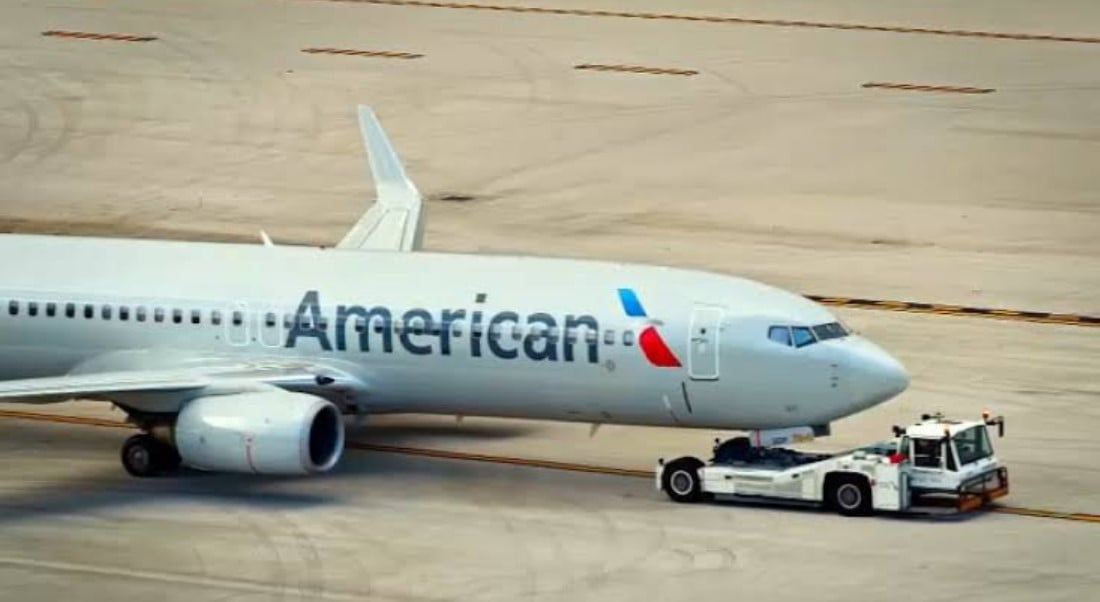
American Airlines flight lands safely after laptop battery fire injures passengers
Flight attendants used a thermal containment bag to stop a lithium-ion battery fire on an Airbus A321 traveling from Atlanta to Dallas. The FAA has recorded 58 similar battery incidents in 2026.

American Airlines described it as reports of smoke from a customer's device
, but the pilot's urgent communications to air traffic control told a more volatile story: a fire in the rear of the aircraft and multiple passengers suffering burns.
The discrepancy emerged following the arrival of Flight 2398 on Friday, August 21, 2026. The Airbus A321, carrying 133 people from Atlanta to Dallas-Fort Worth International Airport (DFW), encountered a laptop battery fire during its final approach, one of the most critical phases of flight. While the aircraft landed safely at approximately 6:55 p.m. Local time, the incident highlights a widening gap between corporate narratives and the operational reality of mid-air electronic failures.
Related YouTube video

According to air traffic control audio obtained by CBS News, the pilot reported that about four to five passengers
may have been burned by the device. This contradicts official statements from American Airlines and DFW, both of which confirmed that only one passenger received medical attention at the scene before being released.
The emergency began roughly 30 minutes before landing. Jessica Irgens, a passenger sitting two rows away from the ignition point, told CBS News that another passenger's laptop began smoking and caught fire. Irgens reported that the owner placed the device in the aisle, where other passengers attempted to help, causing heavy smoke to fill the cabin and forcing some passengers to move toward the back of the aircraft.
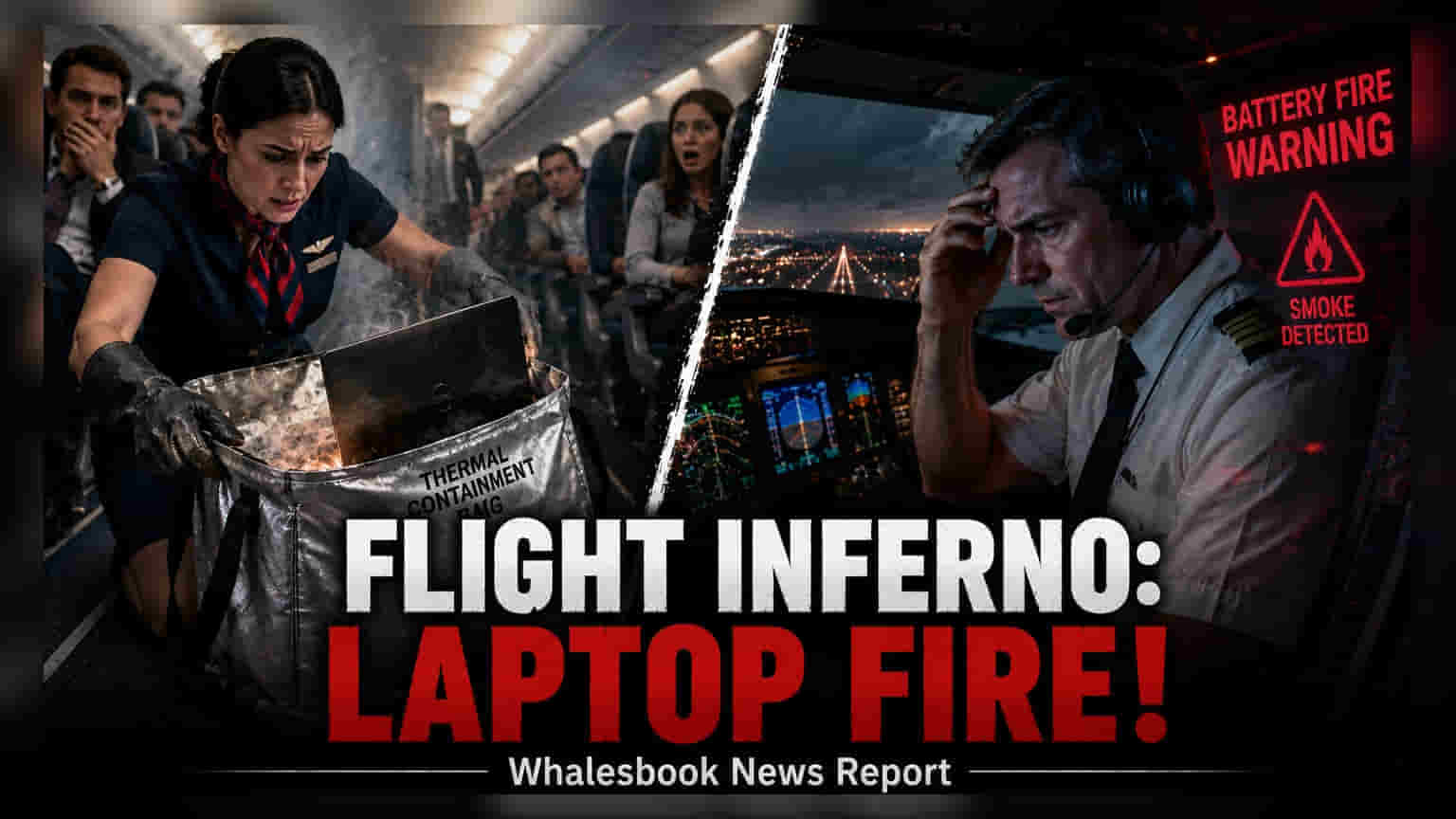
Flight attendants intervened using a thermal containment bag to isolate the device. These specialized bags are designed to manage lithium-ion fires, which are notoriously difficult to extinguish and prone to reignition even after they appear to be out. The aircraft subsequently taxied to the gate under its own power to be met by emergency personnel.
The Mechanism of Failure
The Federal Aviation Administration (FAA) identifies the cause of such incidents as thermal runaway
. This is a rapid, uncontrolled increase in temperature that occurs when a lithium-ion battery—standard in laptops, smartphones, and power banks—overheats. Once the process begins, it can produce intense heat, smoke, and fire without prior warning.
According to the FAA, several specific triggers can initiate thermal runaway:
- Physical damage to the battery cell
- Overcharging the device
- Exposure to water
- Overheating
- Improper packing of the battery
- Manufacturing defects
This event is not an isolated anomaly. The FAA has recorded 58 incidents involving smoke or fire from lithium batteries on passenger aircraft in 2026 alone. This rising frequency creates a persistent operational burden for carriers who must maintain rigorous safety training and equipment standards.
For American Airlines, these safety imperatives collide with significant financial pressures. As of the first quarter of 2026, the company was managing a debt load of approximately $34.7 billion, alongside high labor and fuel costs. The necessity of maintaining high-cost safety protocols while navigating such debt obligations remains a primary concern for investors monitoring the company's operational reliability and brand reputation.
The incident serves as a concrete example of how devices routinely regarded as harmless can transform into significant safety hazards within the confined environment of a cabin. Warning signs of a failing battery include unusual heat, swelling, a strange smell, or the emission of smoke.
The FAA is currently investigating the event to determine the precise cause of the ignition. The investigation remains open as authorities examine the device to establish why this specific battery entered thermal runaway.
Operational Discrepancies and Timeline
The emergency developed in stages as the Airbus A321 descended toward Dallas. While the flight began in Atlanta with 133 people on board, the crisis ignited roughly 30 minutes before touchdown. According to CBS News, the pilot informed air traffic controllers that a fire had started in the rear section of the aircraft. While the pilot later reported the device had been contained in the middle section, the resulting smoke forced passengers to migrate toward the back of the cabin.
Conflict remains regarding the number of casualties. American Airlines and Dallas-Fort Worth International Airport both told Fox News Digital that only one passenger required medical attention at the scene. However, air traffic control audio obtained by CBS Texas suggests a different scale of injury.
Whalesbook reports that four to five passengers sustained minor burns specifically to their hands while attempting to help contain the device. This detail aligns with the pilot's report to controllers but contrasts with the airline's public confirmation of a single treated patient.
The resolution of the flight followed strict safety protocols. The aircraft taxied to the gate under its own power, where emergency personnel were already waiting to meet the plane. According to reports from The Independent and Reuters, the investigation into the specific laptop battery is now the primary focus of aviation authorities.
For the company, the event occurred against a backdrop of stock volatility and financial strain. The next step for observers and investors will be the company's regular financial disclosures, which are expected to clarify how American Airlines is balancing its fuel and labor expenses with the operational spending required for safety and debt management.
How significant is this development?
Contribute your assessment to the aggregated reader intelligence ledger.
Archypedia is dedicated to independent, evidence-backed reporting. This briefing was synthesized from primary source reporting, corroborated across independent newsrooms, and verified against our Editorial Standards.
Transparency record
Evidence behind this report
This report synthesizes 4 distinct sources. Open the source ledger below to compare the underlying coverage.
Prepared under the Archypedia Editorial Policy by the Elena Voss editorial desk profile. AI-assisted tools may support drafting and verification; public accountability remains with Archypedia. Report an error.