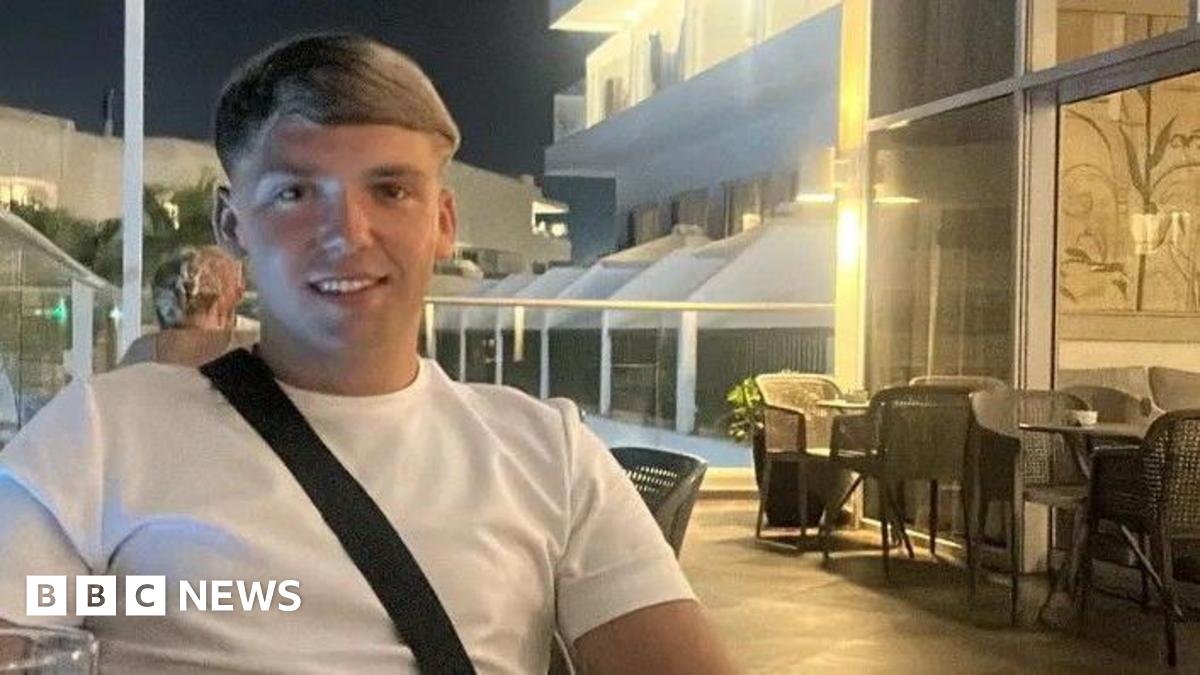
Man, 21, seriously hurt in Rhodes quad bike crash – BBC
A 21-year-old man remains in critical condition following a serious quad bike accident on the Greek island of Rhodes, prompting renewed concerns about the safety of recreational off-road vehicles in popular tourist destinations. Emergency services responded to the incident in the Lindos area on the evening of June 10, where the young British national lost control of the vehicle on a steep, unpaved track near a coastal viewpoint. He was airlifted to a hospital in Rhodes Town with severe trauma injuries and has since undergone multiple surgical procedures. While his identity has not been officially released, sources confirm he is a university student on holiday with friends. The incident has drawn attention from both local authorities and travel safety advocates, who are calling for stricter oversight of quad bike rentals and rider training.
What happened in the Rhodes quad bike crash?
According to eyewitness accounts and preliminary reports from Hellenic Police, the accident occurred around 7:30 p.m. Local time on a narrow, winding path leading to a scenic overlook above Lindos Bay. The quad bike, rented earlier that day from a local vendor, reportedly veered off the track after the rider lost control while descending a gravel-covered slope. The vehicle overturned multiple times before coming to rest in a rocky ravine approximately 15 metres below the path. Witnesses described hearing a loud impact followed by shouts for support, prompting several nearby tourists to rush to the scene before emergency crews arrived.
The rider was found unconscious with significant head trauma and suspected internal injuries. Paramedics stabilized him at the scene before arranging for an air ambulance transfer to the General Hospital of Rhodes, where he was immediately taken into surgery. Medical staff have described his condition as “critical but stable,” noting that he remains in an induced coma to manage intracranial pressure. Updates from his family, communicated through a spokesperson, indicate he has shown minor neurological responses in recent days, though long-term prognosis remains uncertain.
Who is involved and what is known about the victim?
The young man, identified only as a 21-year-old British national, is understood to be studying engineering at a university in the Midlands. He arrived in Rhodes on June 8 as part of a small group trip with fellow students, staying in a family-run apartment in Lindos. Friends have described him as cautious and responsible, with no prior history of reckless behaviour. One companion told local media that the group had rented the quad bikes for a short exploratory ride, emphasizing that none of them had received formal safety briefings or protective gear beyond basic helmets.
His family, who have traveled to Rhodes to be at his bedside, have released a brief statement through hospital liaisons expressing gratitude for the medical care he has received and requesting privacy during this challenging time. They have as well acknowledged the efforts of Greek emergency responders and the consular support provided by the British Embassy in Athens. Diplomatic officials confirmed they are in regular contact with the family and local authorities, offering assistance with translation, logistics, and coordination of care.
When and where did the incident occur?
The crash took place on the evening of June 10, 2024, in the Lindos region of Rhodes, a popular destination known for its whitewashed villages, ancient acropolis, and rugged coastal terrain. The specific location — a dirt track branching off the main road toward the cliffside viewpoint of St. Paul’s Bay — is frequently used by tourists seeking panoramic photo opportunities, despite lacking formal signage or safety barriers. Local residents have noted that while the route is not officially designated for motorized vehicles, it is commonly accessed by quad bike riders due to its proximity to rental hubs and scenic appeal.
Emergency services were alerted at approximately 7:45 p.m., with the first ambulance arriving within ten minutes. Due to the remote nature of the site and the severity of the injuries, a helicopter evacuation was initiated, reducing transport time to the hospital by over half an hour. The incident has since been logged with the Rhodes Police Department under case number 2024-QUAD-089, with investigations ongoing into potential violations of rental regulations or operator negligence.
Why does this incident matter? Context and wider implications
This accident is not isolated. Over the past five years, Rhodes has seen a steady rise in incidents involving rented quad bikes and all-terrain vehicles (ATVs), particularly among young tourists. Data from the Hellenic Institute for Transport Safety indicates that between 2019 and 2023, over 120 injury-related incidents involving recreational off-road vehicles were reported on the island, with nearly 30% resulting in hospitalization. Head trauma and limb injuries were the most common outcomes, often linked to high speeds, uneven terrain, and lack of rider experience.
The popularity of quad bike rentals in Greece has grown alongside the expansion of budget tourism, with numerous small operators offering hourly rentals without mandatory training or age verification beyond a driver’s licence check. Critics argue that this model prioritizes profit over safety, especially when vehicles are used on terrain for which they are not designed. Unlike in some European countries where ATV use is restricted to licensed trails or private land, Greece currently lacks comprehensive legislation governing recreational quad bike use in tourist zones.
In response to growing concerns, the South Aegean Regional Authority announced in early 2024 a review of rental practices across its islands, including Rhodes, with potential measures such as mandatory safety briefings, restricted zones, and higher insurance requirements for operators. However, implementation has been slow, leaving many to question whether tragedies like this one will prompt faster action.
Reactions from authorities, experts, and the public
Following the accident, the Mayor of Lindos issued a statement expressing sympathy for the victim and his family, while urging tourists to exercise caution when using rented vehicles. “We welcome visitors to enjoy our island’s beauty, but we must also ensure that recreation does not approach at the cost of safety,” he said. He confirmed that local police are reviewing CCTV footage from nearby businesses and interviewing witnesses to determine whether speed, terrain, or mechanical failure contributed to the crash.
Road safety experts have pointed to the need for standardized protocols. Dr. Elena Vassilopoulos, a transport safety researcher at the University of the Aegean, noted that while helmets are often provided, they are frequently inadequate for high-impact scenarios. “Many rental bikes come with basic skull caps that offer little protection against rotational forces or penetration injuries,” she explained. “Without proper training, riders are unprepared for how these vehicles behave on loose gravel or steep inclines — conditions that are common in Rhodes’ backcountry.”
Travel industry representatives have acknowledged the risks but emphasized that most incidents stem from rider behaviour rather than vehicle defects. The Hellenic Travel Federation stated in a recent bulletin that it encourages members to adopt voluntary safety codes, including pre-rental briefings and refusal of service to intoxicated individuals. However, enforcement remains inconsistent, particularly among informal vendors operating outside regulated zones.
On social media, the incident has sparked debate about tourist responsibility and the role of rental companies. While many expressed sympathy for the young man and his family, others questioned the wisdom of allowing inexperienced riders to operate powerful vehicles in unfamiliar environments. A recurring theme in online discussions has been the contrast between the perceived harmlessness of quad biking as a holiday activity and the real dangers it poses when undertaken without preparation.
Background: Quad bike safety in tourist destinations
Rhodes is not alone in facing challenges related to recreational ATV use. Similar concerns have emerged in Crete, Mallorca, and the Canary Islands, where quad bike tours are marketed as adventurous ways to explore rural landscapes. In Spain’s Balearic Islands, local governments have introduced licensing requirements for guided tours and banned solo rentals in protected natural areas following a series of fatal accidents in 2022.
In Thailand, where quad bike riding is popular in northern provinces like Chiang Mai, authorities have imposed speed limits, mandatory GPS tracking on rental fleets, and compulsory safety courses after a spike in fatalities among foreign tourists. These measures have been credited with reducing incident rates by over 40% in some regions, according to the Thai Road Safety Centre.
Closer to home, the UK’s Royal Society for the Prevention of Accidents (RoSPA) advises travelers to treat quad bikes as potentially hazardous machinery, not toys. Their guidance includes checking for proper maintenance, wearing full protective gear (including gloves, goggles, and boots), and avoiding riding after dark or in adverse weather. RoSPA also recommends against carrying passengers unless the vehicle is specifically designed and approved for two-up use — a common violation observed in holiday hotspots.
Despite these warnings, many tourists remain unaware of the risks, often assuming that because a vehicle is available for rent, it must be safe to operate without preparation. This misconception, safety advocates say, is compounded by the holiday mindset, where relaxation and adventure can override usual caution.
Key facts and timeline at a glance
| Detail | Information |
|---|---|
| Date of incident | June 10, 2024 |
| Location | Lindos, Rhodes, Greece |
| Victim | 21-year-old British male, university student |
| Vehicle type | Rented quad bike (make and model under investigation) |
| Injuries sustained | Severe head trauma, suspected internal injuries |
| Medical status | Critical but stable; in induced coma |
| Response time | Air ambulance deployed within 20 minutes of alert |
| Investigation status | Ongoing; Hellenic Police reviewing evidence |
What happens next? Legal, medical, and regulatory outlook
Medical teams continue to monitor the victim’s condition closely, with neurosurgeons indicating that the next 72 hours will be critical in assessing swelling and potential complications. While no timeline for recovery has been offered, rehabilitation specialists note that cases involving severe traumatic brain injury often require months of inpatient therapy, followed by extended outpatient support.
Legally, the focus is shifting toward whether the rental operator fulfilled its duty of care. Greek law requires businesses offering vehicle rentals to ensure that equipment is roadworthy and that users receive basic operating instructions. If investigators find that safety protocols were ignored — such as providing a bike with known mechanical issues or failing to warn about hazardous terrain — the operator could face fines or even criminal charges under provisions related to negligence.
Regulatorily, the incident may accelerate calls for reform. Members of the Hellenic Parliament have previously questioned the lack of oversight in the ATV rental sector, particularly on islands where tourism peaks strain local infrastructure. Some have advocated for a national registry of rental companies, mandatory third-party liability insurance, and standardized safety training — measures already in place in countries like Italy and Portugal for similar vehicles.
For now, the victim’s family remains at his side, hoping for signs of improvement. Their quiet vigil has become a focal point for broader reflections on how holiday adventures can, in an instant, turn into life-altering events — and what more can be done to prevent them.
The British Foreign, Commonwealth & Development Office has reminded travelers that while consular staff can offer support in emergencies, they cannot interfere in local medical or legal processes. They urge all visitors to Greece to take out comprehensive travel insurance that includes coverage for medical evacuation and repatriation, especially when planning to engage in adventure activities.
As the summer season progresses and thousands more tourists arrive on Rhodes seeking sun, sea, and excitement, the shadow of this accident serves as a sobering reminder: the freedom to explore comes with responsibility — and the cost of overlooking it can be devastating.
