
Borsa İstanbul (BİST) has implemented volatility measures on three stocks, according to notifications sent to the Public Disclosure Platform (KAP). The restrictions include Ditaş, a company recently placed under trustee management, and another security that surged 64% in weekly value between June 15 and 19.
- Number of affected stocks: Three
- Key trigger: One stock recorded a 64% weekly increase
- Notable company: Ditaş, currently under trustee (kayyım) management
- Reporting window: June 15-19
Why Borsa İstanbul Imposed These Measures
Borsa İstanbul uses “tedbir” (measure) decisions to curb excessive price volatility and protect investors from speculative bubbles. According to regulatory filings via KAP, these measures typically restrict certain trading activities—such as banning short selling or requiring 100% collateral for trades—when a stock’s price moves too sharply without a clear fundamental driver.
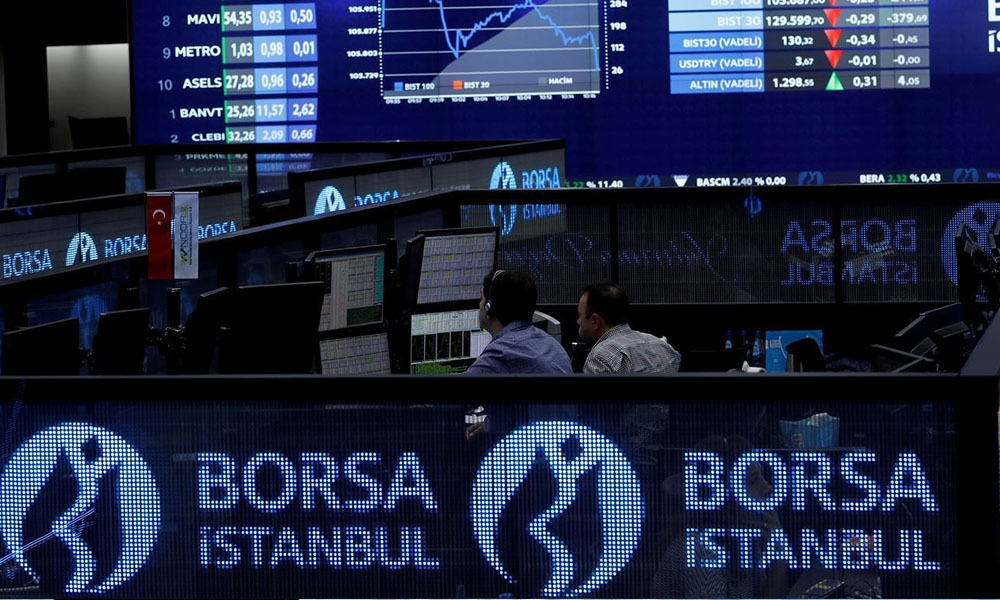
The exchange monitors price movements daily. In this instance, the regulator acted after one of the listed securities saw its value climb 64% within a single week, a move that triggered internal volatility thresholds, according to reports from Paratic Haber.
The Case of Ditaş and High-Volatility Stocks
Among the three securities facing restrictions is Ditaş. The company’s inclusion on the list is particularly notable because it has recently been subject to the appointment of a trustee (kayyım), according to local media reports. The combination of management upheaval and market volatility often prompts BİST to step in to ensure orderly trading.
While the exchange identified three stocks in total, the primary driver for the broader weekly balance of measures (June 15-19) was the extreme price action seen in the 64% gainer. This suggests a pattern of speculative trading that BİST is actively attempting to neutralize through regulatory intervention.
How These Restrictions Affect Trading
For investors, these measures change the mechanics of how a stock is bought and sold. When BİST imposes these rules, it often removes the ability to trade on margin or mandates that investors have the full cash value of the trade available upfront. This effectively slows down the trading velocity and discourages high-risk speculation.
According to reports from CNBC-e and Borsamatik, the notification to KAP serves as the formal trigger for these changes, meaning brokers must immediately adjust their trading platforms to reflect the new restrictions for the affected securities.
