
Survey Reveals Farmers Divided Over AI Adoption in Agriculture, With Major Skepticism
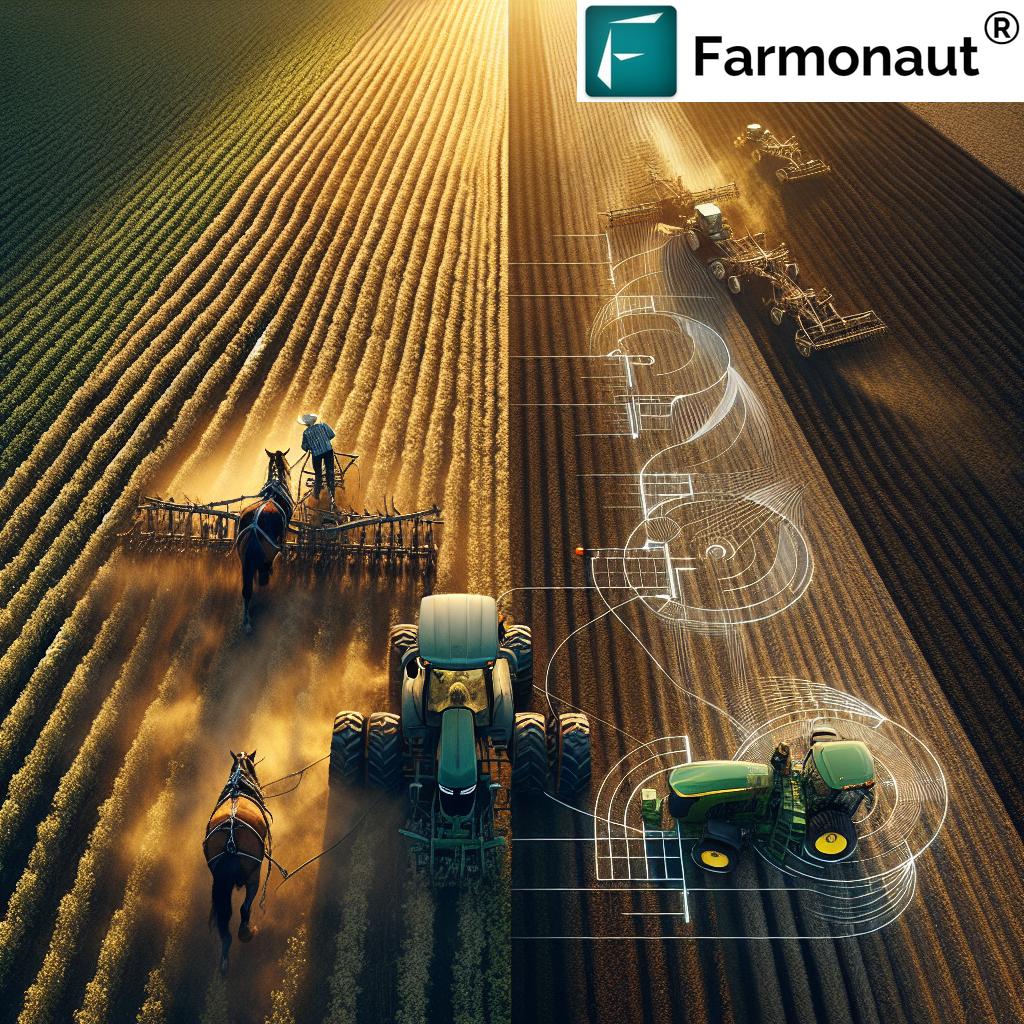
A recent survey highlights a growing divide among farmers regarding the integration of artificial intelligence (AI) into agricultural practices, with a majority expressing doubts about its effectiveness in improving crop yields and efficiency. The findings underscore the tension between technological innovation and traditional farming methods, as the agricultural sector grapples with the potential of AI to transform operations.
Key Findings of the Survey
The survey, conducted by an independent agricultural research firm, involved over 1,200 farmers across the United States. It revealed that 58% of respondents were either undecided or skeptical about the benefits of AI in farming, while 42% expressed cautious optimism. The primary concerns centered around the reliability of AI systems, the cost of implementation, and the potential loss of traditional farming knowledge.
“Many farmers are hesitant to adopt new technologies without seeing proven results,” said Dr. Emily Carter, a researcher at the firm. “They want to know that AI can consistently deliver improvements in crop health and yield before investing time and money.”
Factors Influencing Farmer Skepticism
The survey identified several key factors contributing to the skepticism. First, the high cost of AI technologies, such as precision agriculture tools and automated machinery, was a significant barrier for small and medium-sized farms. Second, many farmers lacked access to training and support to effectively use these technologies. Third, there was a general distrust of data-driven approaches, with some farmers fearing that reliance on AI could lead to a loss of hands-on expertise.
Additionally, the survey noted that farmers in regions with less technological infrastructure were more skeptical. In areas where internet connectivity and access to technical resources were limited, the adoption of AI was particularly low. This disparity highlights the need for targeted support to ensure equitable access to agricultural innovations.
The Role of Industry Leaders in Promoting AI
Despite the skepticism, some industry leaders are pushing for greater AI integration. Companies like John Deere have been at the forefront of developing AI-driven solutions for agriculture. According to the company’s CTO, AI is now being used to make every farming decision, from planting to harvesting. “Our goal is to empower farmers with data-driven insights that can enhance productivity and sustainability,” the CTO stated.
Other agricultural technology firms are also investing heavily in AI. The global market for agricultural AI is projected to reach $20.8 billion by 2033, according to a report by a leading market research firm. This growth is driven by the increasing demand for efficient farming practices, especially as climate change and population growth put pressure on food production.
Case Studies: Success and Challenges
While the survey highlights skepticism, there are notable examples of farmers who have successfully integrated AI into their operations. In Iowa, a group of farmers adopted AI-powered sensors to monitor soil health and optimize irrigation. According to one participant, the technology led to a 20% increase in crop yield and a 15% reduction in water usage. “It’s not a magic solution, but it’s a tool that helps us make better decisions,” the farmer said.
However, not all experiences have been positive. A farmer from Nebraska reported that an AI system failed to account for local weather patterns, resulting in significant crop losses. “The technology didn’t understand the nuances of our specific conditions,” the farmer explained. “It’s important to have human oversight, especially when dealing with unpredictable elements like weather.”
Expert Perspectives and Future Outlook
Experts in agricultural technology emphasize that the key to successful AI adoption lies in education and collaboration. “Farmers need to understand how AI works and how it can complement their existing practices,” said Dr. Michael Thompson, an agricultural economist. “It’s not about replacing traditional methods but enhancing them with data-driven insights.”
Looking ahead, the survey suggests that continued research and development are essential to address the concerns of skeptical farmers. Improving the affordability of AI tools, providing training programs, and demonstrating tangible benefits through pilot projects could help bridge the gap between innovation and acceptance.
Implications for the Agricultural Sector
The survey’s findings have broader implications for the agricultural sector. As the demand for food continues to rise, the need for efficient and sustainable farming practices becomes increasingly urgent. AI has the potential to play a crucial role in meeting these challenges, but its success depends on addressing the concerns of farmers and ensuring that the technology is accessible and user-friendly.
Moreover, the survey highlights the importance of policy support in promoting AI adoption. Governments and agricultural organizations may need to provide subsidies, technical assistance, and regulatory frameworks that encourage the responsible use of AI in farming. This could help level the playing field for farmers of all sizes and ensure that the benefits of technological advancements are widely shared.
What’s Next for AI in Agriculture?
As the agricultural sector continues to evolve, the role of AI will likely expand. However, the survey underscores that the path to widespread adoption is not without challenges. Farmers must navigate a complex landscape of technological, economic, and social factors, and the success of AI in agriculture will depend on how well these challenges are addressed.
For now, the survey serves as a reminder that while innovation holds promise, it must be approached with care and consideration for the needs and concerns of those who will ultimately use it. The future of AI in farming may depend on building trust, providing support, and demonstrating its value through real-world results.
Frequently Asked Questions
What are the main concerns farmers have about AI in agriculture?
Many farmers express concerns about the high cost of AI technologies, the need for training and support, and the potential loss of traditional farming knowledge. There is also skepticism about the reliability of AI systems and their ability to adapt to local conditions.
How is the agricultural AI market expected to grow?
The global market for agricultural AI is projected to reach $20.8 billion by 2033, driven by the demand for efficient
