Blizzard Entertainment is pursuing legal action against a private server project for World of Warcraft, according to local media reports. The lawsuit targets the unauthorized hosting and distribution of the game’s intellectual property, which allows users to play the title without paying official subscriptions or access legacy versions of the software.
How World of Warcraft Private Servers Work
Private servers are unofficial versions of the game hosted on hardware not owned by Blizzard. These projects typically rely on server emulators—software written by community developers to mimic the way Blizzard’s official servers handle data. By reverse-engineering the game’s network protocols, these emulators allow a standard game client to connect to a non-official source, enabling gameplay without the company’s authorization.
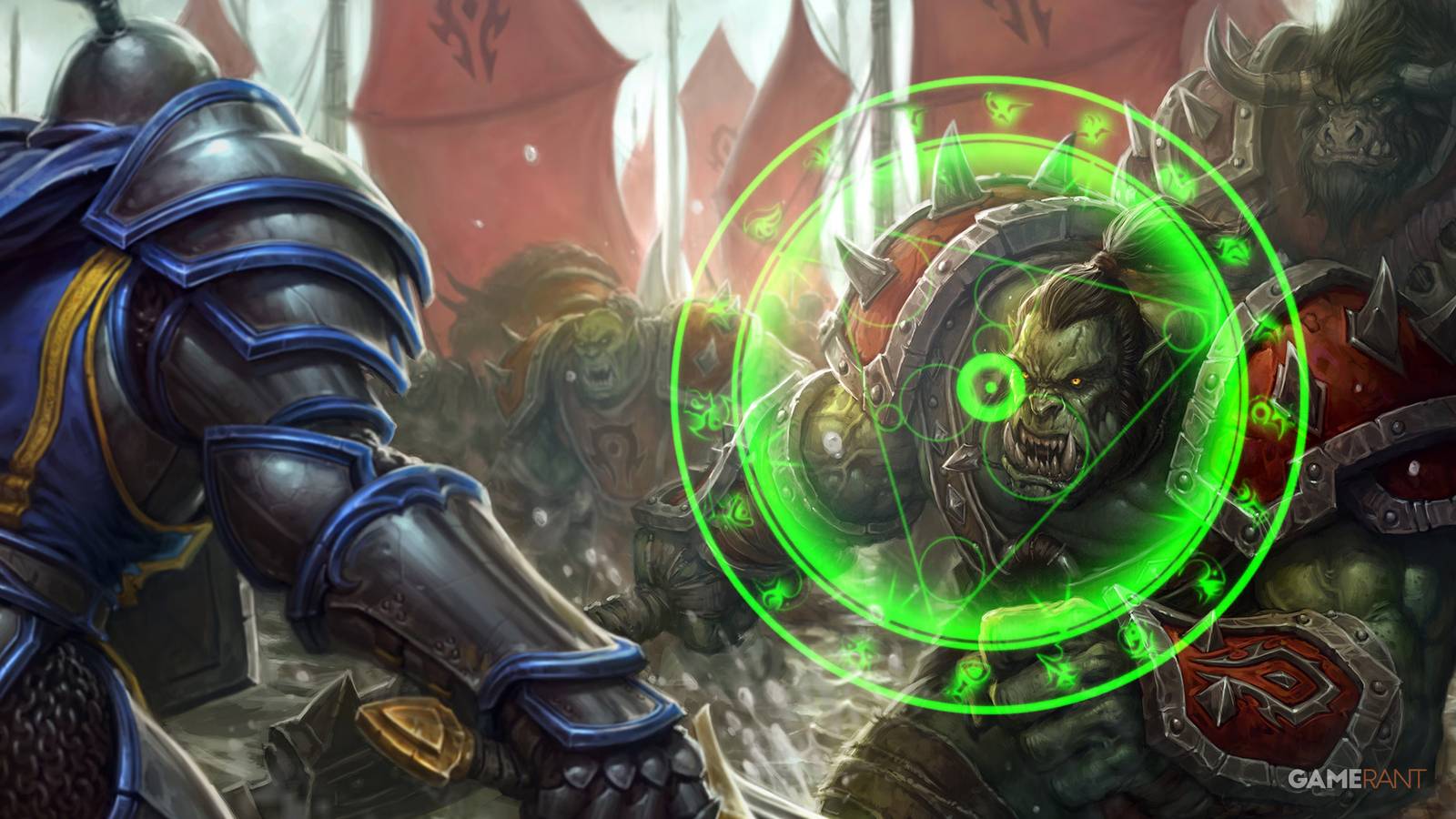
These servers often serve two primary purposes for users: providing a way to play the game for free and preserving older “expansions” or versions of the game that Blizzard has since updated or removed from its official live environment.
The Legal Conflict Over Intellectual Property
The core of the legal dispute rests on copyright infringement and the violation of the game’s End User License Agreement (EULA). According to the reported legal action, Blizzard maintains that the creation and operation of these servers constitute an illegal use of its proprietary code and assets.
While some community members view these servers as a form of digital preservation or a “modding” community, the company treats them as a direct threat to its revenue streams and the integrity of its intellectual property. This case follows a long-standing pattern of the developer aggressively targeting projects that bypass its subscription model or redistribute its software.
Impact on the Gaming Community
The ongoing litigation highlights the tension between corporate IP ownership and the community’s desire for control over the software they use. For users, the shutdown of such servers often results in the loss of character progress and community hubs. For the developers of these servers, the risk includes significant financial penalties and permanent injunctions against the distribution of their emulation software.
