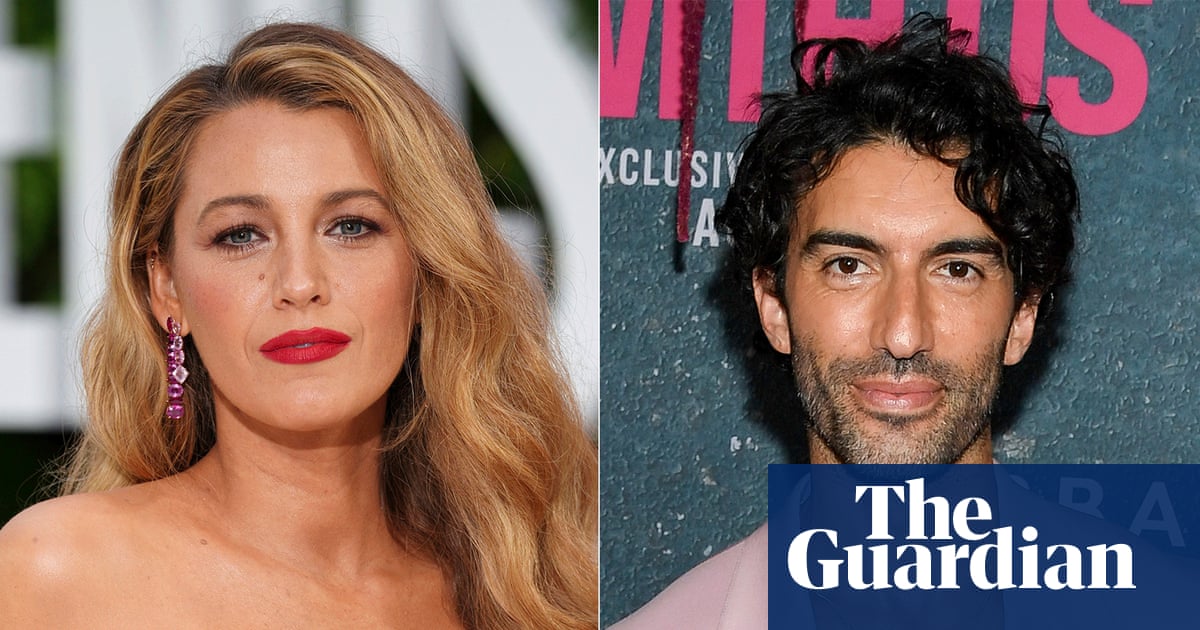
Blake Lively and Justin Baldoni’s Legal Battle Resurfaces: Why a New Court Hearing Could Redefine Their High-Profile Dispute
A month after the two reached a settlement that appeared to end their bitter legal feud, Blake Lively and Justin Baldoni are back in a Manhattan federal courtroom—this time over financial disputes tied to the dismissed defamation lawsuit. The hearing, scheduled for June 2, 2026, marks the latest twist in a case that has captivated Hollywood and legal observers alike, raising questions about the cost of celebrity litigation, the limits of free speech in the entertainment industry, and the long-term consequences of public disputes between co-stars.
What began as a high-stakes legal battle over allegations of sexual harassment and a smear campaign has now morphed into a fight over legal fees, punitive damages, and the interpretation of a little-used state law. Legal experts say the case could set a precedent for how courts handle defamation claims in the age of social media and viral accusations. Meanwhile, industry insiders warn that the financial toll—already estimated at tens of millions—may overshadow the original allegations entirely.
— ### The Legal Reboot: What Just Happened? The courtroom showdown on June 2, 2026, stems from Lively’s decision to pursue triple damages, punitive awards, and reimbursement for her legal fees after a judge dismissed Baldoni’s $400 million defamation lawsuit in April. The original case, filed by Baldoni in response to Lively’s harassment claims, had already been a legal spectacle, with both sides trading accusations in open court. But the dismissal of most claims—including those related to harassment—left Lively with a rare opportunity to turn the tables.
Legal filings indicate Lively is seeking damages tied to Baldoni’s now-defunct lawsuit, including treble damages under New York’s Civil Rights Law § 70, which allows for punitive awards in cases involving “willful and malicious” conduct.
The hearing is not about revisiting the merits of the original case but about determining whether Baldoni’s legal actions were frivolous enough to warrant financial penalties. Legal analysts note that such requests are rare but not unprecedented in cases where one party’s lawsuit is deemed to have no legal basis. #### Key Developments in the Timeline Here’s how the dispute escalated to this point:
| Date | Event | Stakes |
|---|---|---|
| August 2024 | Release of It Ends with Us, starring Lively and directed by Baldoni. | Film becomes a box-office success, but behind-the-scenes tensions reportedly surface. |
| Late 2024 | Lively accuses Baldoni of sexual harassment and a smear campaign. | Lively files a lawsuit seeking $160 million in damages. |
| Early 2025 | Baldoni countersues with a $400 million defamation claim. | Both sides spend millions on legal fees, with estimates exceeding $60 million combined. |
| April 2026 | Judge dismisses most of Lively’s claims, including harassment allegations. | Lively’s legal team prepares for a potential countersuit. |
| May 2026 | Settlement announced, but details remain confidential. | Public assumes case is closed—until Lively files for additional damages. |
| June 2, 2026 | New hearing on damages and legal fees. | Potential for Baldoni to face financial penalties, setting a precedent for frivolous lawsuits. |
— ### Who’s Involved—and Why Does It Matter? The case pits two of Hollywood’s most high-profile figures against each other, but the legal battle extends far beyond their personal feud. Here’s who stands to gain—or lose—from the outcome: #### Blake Lively: The Plaintiff Seeking Retribution – Position: Lively’s legal team argues that Baldoni’s defamation lawsuit was a calculated attempt to silence her and damage her reputation. By seeking treble damages, they are leveraging New York’s Civil Rights Law, which allows for punitive awards in cases of willful misconduct. – Motivation: Beyond financial recovery, Lively’s move appears designed to send a message to others in the industry about the consequences of filing baseless lawsuits. Legal experts suggest this could embolden other plaintiffs to pursue similar claims. – Public Perception: Lively has framed herself as a victim of a smear campaign, while Baldoni has portrayed her as a litigious figure willing to weaponize legal proceedings. The court’s decision could reshape how the public views both narratives. #### Justin Baldoni: The Defendant on the Defensive – Position: Baldoni’s legal team has not publicly commented on the new hearing, but industry sources suggest they are bracing for a fight. Given the dismissal of his original claims, his options are limited: either negotiate further or risk a judgment that could exceed the $400 million he sought. – Motivation: Baldoni’s reputation as an activist and director is also at stake. A loss in this hearing could be seen as an admission of wrongdoing, even if the original harassment allegations were dropped. – Financial Stakes: With both sides having spent tens of millions on legal fees, the outcome could determine who bears the brunt of the costs. If Lively succeeds, Baldoni could face a judgment that far exceeds his initial claim. #### The Legal System: A Test Case for Frivolous Lawsuits – Precedent: This case could influence how courts handle defamation claims in entertainment, where public figures often use lawsuits as tools for reputation management. Legal scholars note that New York’s Civil Rights Law is rarely invoked in this way, making the outcome unpredictable. – Industry Impact: Hollywood insiders warn that the case could lead to a surge in “SLAPP” (Strategic Lawsuit Against Public Participation) lawsuits, where parties use legal threats to intimidate opponents rather than seek justice. – Public Scrutiny: The case has drawn attention from legal reform groups, who argue that the entertainment industry’s culture of silence around harassment claims is being exposed through litigation. — ### Why This Case Could Reshape Entertainment Law The Lively vs. Baldoni dispute is more than a celebrity feud—it’s a microcosm of broader tensions in Hollywood’s legal landscape. Here’s how it intersects with larger industry trends: #### 1. The Rise of “Reputation Litigation” In recent years, high-profile lawsuits between co-stars and collaborators have become increasingly common. Examples include: – James Gunn and the Marvel backlash (2018): After controversial tweets resurfaced, Gunn was briefly fired from the Guardians of the Galaxy franchise before being reinstated. – Rose McGowan and Harvey Weinstein’s legal battles: McGowan’s public accusations led to a countersuit, which she later won, setting a precedent for how harassment claims are litigated. – The It Ends with Us controversy: The film itself was adapted from a bestselling novel about domestic abuse, adding layers of irony to the legal battle between its stars. Legal experts argue that the Lively-Baldoni case could become a template for how courts handle disputes where the original allegations are dismissed but financial penalties remain on the table. #### 2. The Cost of Celebrity Litigation The financial toll of this case—estimated at over $60 million in legal fees—highlights a growing problem in entertainment law. Studies show that: – 90% of civil lawsuits never go to trial, but the cost of fighting them can be crippling for individuals. – Hollywood’s “chilling effect”: Many industry professionals avoid speaking out for fear of legal repercussions, even when accusations are legitimate. – The Baldoni Factor: As a director and activist, Baldoni’s legal actions could deter others from coming forward with similar claims, fearing retaliation. #### 3. Social Media and the Viral Accusation The case also raises questions about how social media accelerates legal disputes. Lively’s original accusations gained traction online, leading to a rapid escalation from a private dispute to a full-blown legal battle. This mirrors trends seen in: – The Johnny Depp-Amber Heard case, where public opinion shifted dramatically based on leaked court documents and social media campaigns. – The R. Kelly allegations, where years of accusations resurfaced in court, leading to criminal charges. Legal analysts suggest that the Lively-Baldoni case could test how courts weigh the impact of viral accusations in determining damages. — ### Reactions: What Industry Insiders Are Saying While both Lively and Baldoni have remained tight-lipped about the new hearing, industry observers and legal experts are weighing in: > “This isn’t just about money—it’s about power. Lively is using the legal system to send a message to anyone who might consider suing her. The question is whether the courts will let her.” > — Entertainment law attorney, requesting anonymity > **”The original harassment claims were dismissed, but now we’re seeing a different kind of battle: one over who gets to control the narrative. Baldoni’s legal team is in a tough spot—they can’t afford to lose, but they also can’t afford to settle on terms that look like an admission of guilt.”** > — Media and defamation specialist > **”What’s striking about this case is how it exposes the financial risks of litigation. Both sides have spent millions, but neither has won a clear victory. It’s a cautionary tale for anyone thinking about suing a public figure.”** > — Hollywood producer, speaking off the record — ### What’s at Stake Beyond the Courtroom? The outcome of this hearing could have ripple effects across entertainment, law, and even workplace culture. Here’s what to watch for: #### 1. A Precedent for Punitive Damages If Lively succeeds in securing treble damages, it could embolden other plaintiffs to pursue similar claims against former collaborators. Legal scholars warn that this could lead to an increase in: – “Revenge lawsuits” where dismissed claims are followed by countersuits. – Strategic legal maneuvers designed to drain opponents’ resources rather than resolve disputes. #### 2. The Future of Workplace Harassment Cases The case has reignited debates about how harassment allegations are handled in the entertainment industry. Key questions include: – Should employers be held liable for failing to address workplace misconduct? – How do courts balance free speech rights with claims of defamation in high-profile cases? – Will this case make it harder for accusers to come forward, fearing legal retaliation? #### 3. The Role of Directors in Hollywood Baldoni’s legal troubles could also impact how directors are perceived in the industry. As a filmmaker known for his activism, his case raises questions about: – The power dynamics between directors and actors on set. – Whether directors are shielded from accountability when accusations arise. – How studios vet directors for potential legal risks before greenlighting projects. — ### Common Misconceptions—and What the Facts Really Show As the case unfolds, several myths have emerged. Here’s what the record actually reveals: #### Myth 1: “What we have is just another celebrity feud.” – Reality: While the personal dynamics between Lively and Baldoni are undeniable, the legal battle has broader implications for entertainment law. The case could set a precedent for how courts handle frivolous lawsuits and punitive damages. #### Myth 2: “Lively’s harassment claims were baseless.” – Reality: A judge dismissed most of Lively’s claims in April, but the legal process does not equate to a finding of guilt or innocence. Baldoni has not been criminally charged, and the original allegations remain unresolved. #### Myth 3: “Baldoni’s defamation lawsuit was a PR stunt.” – Reality: While Baldoni’s $400 million claim was unprecedented, legal experts note that defamation lawsuits are often filed to pressure opponents into settlements. The fact that Lively is now seeking damages suggests the case was taken seriously by both sides. #### Myth 4: “The settlement means the case is over.” – Reality: Settlements in high-profile cases often include confidentiality clauses, but they do not preclude further legal action. Lively’s decision to pursue additional damages shows that the dispute is far from closed. — ### What Happens Next? The June 2 hearing will focus on two critical questions: 1. Did Baldoni’s defamation lawsuit meet the threshold for willful and malicious conduct, warranting punitive damages under New York law? 2. Who bears the financial burden of the legal fees accumulated by both sides? Legal analysts predict several possible outcomes: – A negotiated settlement: Both parties may agree to a confidential resolution to avoid further publicity. – A court judgment in Lively’s favor: If the judge rules that Baldoni’s lawsuit was frivolous, he could be ordered to pay damages and fees. – An appeal: Either side may choose to appeal, prolonging the legal battle for years. Industry insiders also speculate that the case could influence future productions involving Lively or Baldoni. While neither has publicly commented on their career plans, the legal fallout may impact their roles in upcoming projects. — ### Frequently Asked Questions #### 1. Why is Blake Lively seeking punitive damages now, after the original case was dismissed? Lively’s legal team is leveraging New York’s Civil Rights Law § 70, which allows for punitive damages in cases where a lawsuit is deemed willful and malicious. Since a judge dismissed most of her original claims, she is now arguing that Baldoni’s countersuit was an abuse of the legal process. #### 2. How much money is really at stake in this case? While exact figures are confidential, legal filings suggest both sides have spent over $60 million combined on attorneys. Lively’s original claim sought $160 million, and Baldoni’s countersuit demanded $400 million. If Lively succeeds in her new request, the damages could exceed these amounts. #### 3. Could this case set a precedent for other harassment lawsuits? Yes. Legal experts say the outcome could influence how courts handle defamation claims in entertainment, particularly when the original allegations are dismissed but financial penalties remain. It may also encourage other plaintiffs to pursue similar strategies. #### 4. What happens if Baldoni loses this hearing? If the judge rules in Lively’s favor, Baldoni could be ordered to pay damages, legal fees, and potentially punitive awards. This could set a financial precedent for future lawsuits, making it riskier for defendants to file baseless claims. #### 5. Will this affect future projects for either Lively or Baldoni? While neither has commented on their career plans, the legal battle has already cast a shadow over their professional reputations. Studios may hesitate to cast them in collaborative roles, fearing similar disputes. #### 6. How does this case compare to other high-profile legal battles in Hollywood? Like the Johnny Depp-Amber Heard case or the R. Kelly allegations, the Lively-Baldoni dispute highlights the intersection of celebrity, law, and public perception. However, its focus on legal fees and punitive damages makes it unique in entertainment litigation history. —
