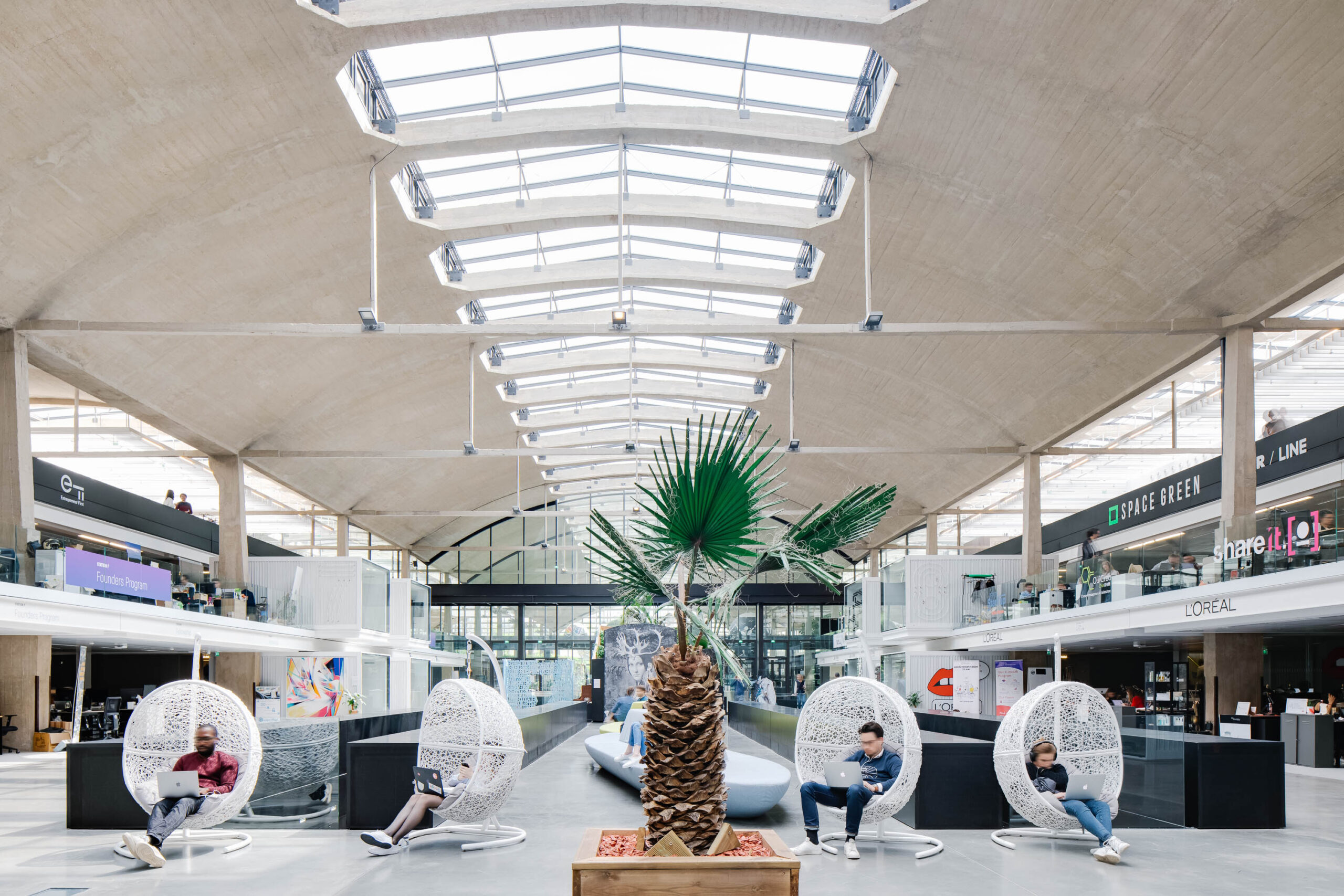
Station F, Europe’s largest startup campus, is entering its second decade amid mixed evaluations of its impact on the tech ecosystem, according to recent reports. The Paris-based incubator, which opened in 2017, has hosted over 3,000 startups and secured more than €3 billion in funding, but questions persist about its long-term viability and effectiveness in nurturing innovation.
How Station F Was Built and What It Offers
Founded by French entrepreneur Xavier Niel, Station F was designed as a physical and digital hub to support early-stage startups. Located in a former railway station, the 35,000-square-meter facility provides office space, mentorship programs, and access to investors. The project, backed by €250 million in public and private funding, aimed to position Paris as a global tech rival to Silicon Valley.
The campus includes co-working spaces, innovation labs, and event venues, with a focus on scaling companies in sectors like artificial intelligence, fintech, and clean energy. Its digital platform, launched in 2020, expanded access to its resources beyond physical presence, connecting startups with experts and funding opportunities worldwide.
Challenges and Criticisms
Despite its ambitious goals, Station F has faced scrutiny over its financial sustainability and the success rate of its portfolio companies. A 2023 analysis by French tech publication *La Tribune* found that only 12% of startups that graduated from the program secured subsequent funding rounds, raising concerns about its ability to translate support into long-term growth.
Some critics argue that the campus prioritizes visibility over practical support. “It’s a brand more than a functional incubator,” said Élodie Dubois, a venture capitalist who reviewed multiple Station F startups. “Many companies leave without the tools to survive after the initial hype.”
What’s Next for Station F?
Leadership at Station F has outlined plans to refocus its strategy for the next decade, emphasizing deeper engagement with corporate partners and specialized accelerators. In a statement, the organization noted it will launch a “scaling program” in 2024 to help established startups transition to global markets.
The campus also plans to expand its digital infrastructure, including a new AI-driven matching system to connect startups with investors and mentors. These efforts come as competition for tech talent and funding intensifies across Europe, with cities like Berlin and Stockholm gaining traction as innovation hubs.
Why This Matters for the Tech Ecosystem
Station F’s trajectory reflects broader debates about the role of physical incubators in a digital-first world. While its model has inspired similar initiatives in Spain and the Netherlands, its mixed results highlight the challenges of scaling tech ecosystems without consistent regulatory and financial backing.
For startups, the campus remains a valuable networking asset, but its long-term influence will depend on its ability to adapt to evolving market demands. As the tech landscape becomes increasingly globalized, the success of initiatives like Station F could shape how innovation is supported across Europe.
