Johannesburg Municipal Crackdown Targets Billboards of Coca-Cola, KFC, and Other Global Brands
The City of Johannesburg has launched a wide-scale enforcement operation to remove unauthorized outdoor advertising, targeting high-profile signage from companies including Coca-Cola, KFC, Netflix, WeBuyCars, Absa, Jeep, Engen, Dis-Chem, and eTV. According to reporting by the Daily Investor, the municipal crackdown focuses on billboards and signage that fail to meet city by-law requirements or lack the necessary legal permits.
Why is Johannesburg removing billboards from major corporations?
The City of Johannesburg is enforcing strict adherence to municipal by-laws governing outdoor advertising to curb “visual pollution” and recover lost revenue. City officials are targeting signage that was installed without proper permits or those that violate zoning and safety regulations. According to the Daily Investor, the operation is not limited to small businesses but specifically targets some of the most visible brands in the country, including Netflix, Absa, and Coca-Cola.
Municipal authorities maintain that the proliferation of unauthorized billboards degrades the urban aesthetic and creates potential safety hazards. By removing non-compliant structures, the city aims to standardize the advertising landscape and ensure that all commercial signage contributes to the municipal treasury through appropriate licensing fees.
Key drivers of the enforcement action include:
- Revenue Recovery: Ensuring that brands pay the required monthly or annual fees for utilizing public airspace.
- Urban Planning: Reducing the clutter of oversized or poorly placed signs that obstruct traffic views or pedestrian paths.
- Legal Compliance: Forcing a shift toward a regulated system where every sign has a traceable permit and a certified installation.
Which brands are affected by the advertising crackdown?
The crackdown has hit a diverse array of sectors, from fast food and beverages to financial services and automotive retail. The Daily Investor identifies several major entities whose signage has been targeted for removal or sanction.
| Industry Sector | Affected Brands |
|---|---|
| Food & Beverage | Coca-Cola, KFC |
| Financial Services | Absa |
| Automotive & Transport | Jeep, WeBuyCars |
| Retail & Pharmacy | Dis-Chem |
| Energy & Fuel | Engen |
| Media & Entertainment | Netflix, eTV |
The inclusion of these specific brands suggests that the city is not targeting specific industries, but rather the most prominent visual markers in the metropolitan area. For these companies, the loss of high-traffic billboards represents a disruption in “top-of-mind” marketing strategies, particularly in a competitive urban hub like Johannesburg.
How the enforcement process works in Johannesburg
The process typically begins with a municipal audit of existing signage. When a billboard is found to be lacking a valid permit or is in breach of size and placement regulations, the city issues a notice of non-compliance. If the owner does not rectify the situation or provide proof of payment for the permit, the city deploys teams to physically dismantle the structure.
According to the Daily Investor, the current wave of removals is characterized by a more aggressive approach than previous years. Rather than relying solely on fines, the city is opting for the immediate removal of the hardware. This creates an immediate financial and operational burden for the brands, who must then navigate the bureaucratic process of applying for new, compliant permits.
“The crackdown in Johannesburg hits Coca-Cola, KFC, Netflix, WeBuyCars, Absa, Jeep, Engen, Dis-Chem, and eTV,” as reported by the Daily Investor, highlighting a shift toward strict municipal accountability for corporate advertising.
The legal framework for outdoor signage
Outdoor advertising in Johannesburg is governed by a set of municipal by-laws that dictate where signs can be placed, how large they can be, and what materials they must use. These laws are designed to prevent “signage creep,” where businesses gradually expand their visual footprint beyond their property lines into public spaces. When a brand like Netflix or eTV places a digital screen or a large-format billboard, they must secure a land-use permit and a specific advertising license.
What are the economic implications for the city and the brands?
For the City of Johannesburg, this crackdown is a matter of fiscal discipline. In a period of tightening municipal budgets, the failure of corporations to pay advertising levies represents a significant leak in potential income. By auditing these signs, the city can either collect back-dated fees or clear the space for new, paying advertisers.
For the affected brands, the implications are twofold: financial and reputational. While a single billboard removal may not impact the bottom line of a global giant like Coca-Cola, the cost of replacing an entire network of non-compliant signs across the city is substantial. Furthermore, the public nature of the removals—where municipal crews dismantle large corporate logos—can create a narrative of corporate negligence regarding local laws.
Potential costs for affected companies:
- Direct Loss: The sunk cost of the original signage and installation.
- Administrative Costs: Legal fees and consultant costs to secure new permits.
- Marketing Gaps: Temporary loss of visibility in high-traffic corridors during the re-permitting process.
- Fines: Potential retrospective penalties for periods of unauthorized operation.
For more information on how municipal regulations affect corporate operations, see our related explainer on South African municipal by-laws.
The role of ‘Visual Pollution’ in urban planning
The crackdown is framed by city officials not just as a revenue drive, but as an effort to combat visual pollution. Visual pollution occurs when the sheer volume of advertising signage overwhelms the natural or architectural environment, leading to driver distraction and a perceived decline in urban quality.
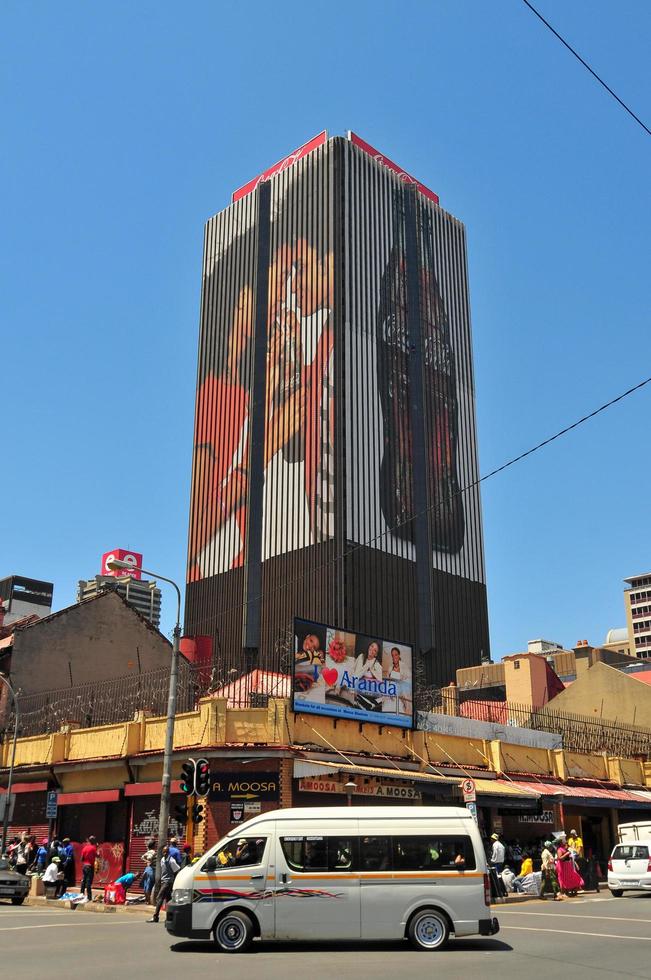
Johannesburg has long struggled with the balance between commercial growth and urban decay. By targeting the “big players,” the city sends a signal that no entity is too large to be exempt from the rules. This approach is often used by city managers to justify stricter enforcement against smaller, less influential businesses that might otherwise feel targeted by “selective” enforcement.
Comparing the Joburg approach to other metros
Similar campaigns have been seen in other major global cities, where “beautification” projects involve the removal of oversized digital screens and billboards. In those cases, the goal is often to return the city to a more pedestrian-friendly environment. In the Johannesburg context, the drive is equally about the aesthetic and the economic necessity of ensuring that the use of public space is compensated.
Common misconceptions about the billboard crackdown
There is a common belief that only “illegal” signs (those placed without any permission) are being removed. However, the Daily Investor’s reporting suggests that even signs with partial permissions—such as those that have expired or those that don’t match the approved blueprints—are subject to removal.
Another misconception is that the city is targeting specific brands for political or competitive reasons. The breadth of the list—spanning from Absa (banking) to Engen (fuel) and KFC (fast food)—indicates a broad-spectrum enforcement strategy rather than a targeted campaign against a single industry.
Clarifying the “Permit vs. License” distinction
Many companies confuse a land-use permit with an advertising license. A company may have permission to use a piece of land for a business, but that does not automatically grant them the right to place a 10-meter-high billboard on that land. The crackdown emphasizes that these are two separate legal requirements, both of which must be current and valid.
How this affects the broader advertising industry in South Africa
The outdoor advertising (OOH – Out of Home) industry relies on predictability. When a city suddenly shifts from lenient enforcement to a strict crackdown, it creates volatility for media agencies and the brands they represent. Agencies that brokered these billboard deals may find themselves in disputes with their clients over who is responsible for the cost of removal and re-permitting.
This move may force a shift toward more innovative, compliant forms of advertising. We may see an increase in:
- Digital integration: Smaller, more compliant digital screens that fit within stricter zoning laws.
- Partnerships: Closer collaboration between brands and the city to create “sponsored” urban furniture (like bus shelters) that are pre-approved.
- Hyper-local targeting: A move away from massive highway billboards toward targeted, compliant signage in specific business districts.
The industry is now watching to see if the City of Johannesburg will introduce a more streamlined, digital application process for permits to prevent these bottlenecks in the future.
Key factors driving the current enforcement wave
To understand why this is happening now, it is necessary to look at the intersection of city governance and corporate expansion. For years, many brands operated under a “grandfathered” assumption—that if a sign had been up for a decade, it was effectively legal. The current administration is rejecting this assumption.
Timeline of the Shift:
- Audit Phase: City officials mapped existing signage against the database of paid permits.
- Notification Phase: Notices were sent to property owners and advertising agencies.
- Enforcement Phase: Physical removal of signs from brands like Coca-Cola, Netflix, and others who failed to comply.
This systematic approach suggests that the city is not acting on a whim but is following a structured plan to clean up the metropolitan landscape.
Frequently Asked Questions
Which companies were hit by the Johannesburg billboard crackdown?
According to the Daily Investor, the companies affected include Coca-Cola, KFC, Netflix, WeBuyCars, Absa, Jeep, Engen, Dis-Chem, and eTV. These brands have had signage removed due to non-compliance with city by-laws.

Why are the billboards being removed?
The primary reasons are the lack of valid municipal permits, failure to pay advertising fees, and violations of zoning and safety regulations intended to reduce visual pollution in the city.
Is this a permanent ban on advertising in Johannesburg?
No. The city is not banning advertising but is enforcing the legal process for its installation. Brands can keep or reinstall their signage provided they obtain the correct permits and pay the required fees.
Who is responsible for the cost of removing the signs?
Generally, the cost of removal falls on the property owner or the advertising agency that installed the sign. If the city performs the removal, they may bill the non-compliant party for the labor and equipment used.
Will this affect the prices of goods or services from these brands?
It is highly unlikely. While the cost of marketing increases due to fines and re-permitting, these are operational expenses for multi-billion rand companies and are unlikely to be passed on to consumers in the form of price hikes.
The current trajectory suggests that the City of Johannesburg will continue its audit of the city’s visual landscape. Businesses operating in the area should review their signage permits to ensure they are up to date with municipal requirements to avoid the disruption and public visibility of forced removals.
