
Teachers’ unions in Belgium have intensified calls for the cancellation of standardized exams, even as education officials refuse to alter the schedule, sparking a cultural and political debate over the impact on students and the broader educational system. The dispute, centered on the CE1D and CESS certification exams, has drawn sharp divisions between educators, policymakers, and students, reflecting deeper tensions over academic pressure and labor rights.
Unions Demand Exam Cancellations Amid Protests
Education unions, including those represented by RTBFCEB, have argued that the current exam format disproportionately affects students, particularly those from disadvantaged backgrounds. “The motivation isn’t there anymore,” said a student at a Brussels high school, echoing concerns from peers who support teacher strikes but resist the continued administration of exams. The unions’ demands have been met with resistance from Education Minister Sophie Glatigny, who has maintained that no school has requested to reschedule or adapt the external exams, according to reports.
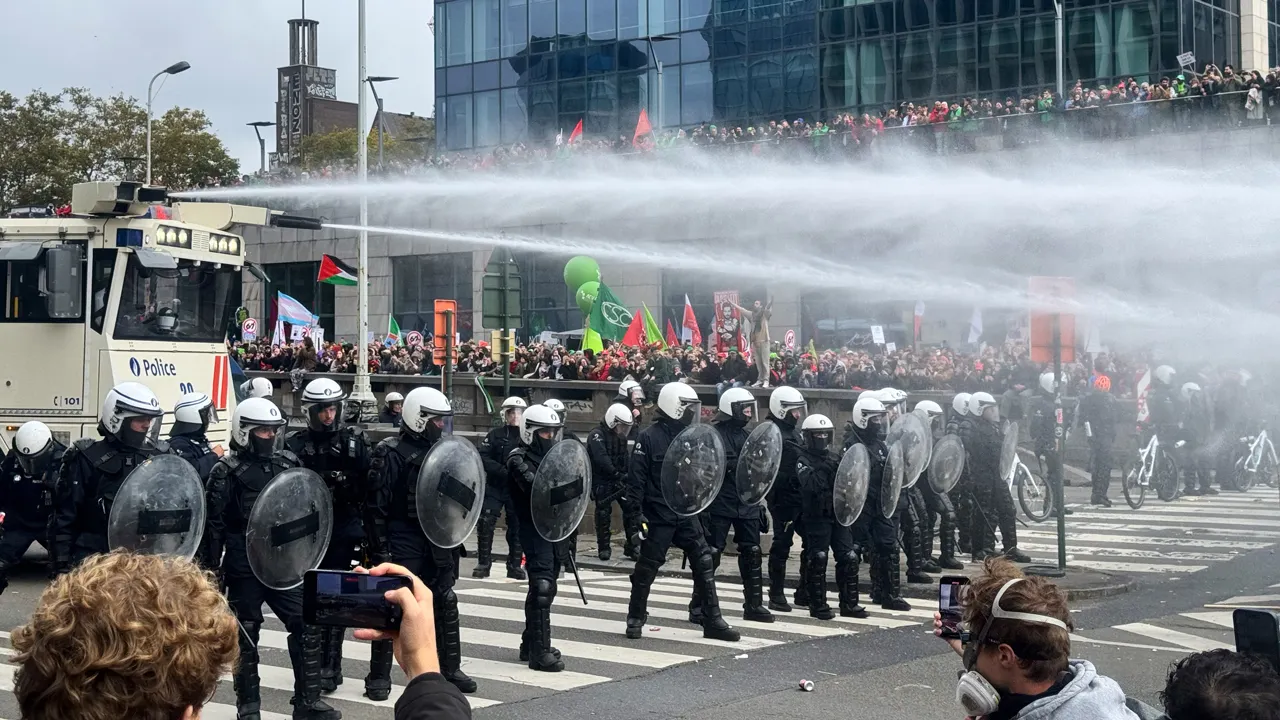
The CE1D and CESS exams, which determine secondary education credentials, have become focal points in the ongoing labor disputes. While some educators argue that the exams exacerbate inequities, others emphasize their role in maintaining academic standards. The minister’s refusal to suspend the tests has been criticized by advocacy groups, including La Csc, which highlighted the need to address systemic challenges faced by underprivileged students.
Student Reactions Highlight Tensions
Student groups have expressed mixed perspectives, with many supporting the broader goals of the teacher strikes but opposing the continuation of exams. “We stand with the teachers, but we also need to protect our future,” said a representative from a Brussels secondary school, citing concerns about the fairness of the testing process. This divide underscores the complex interplay between labor activism and student welfare, as young people navigate the consequences of a system in flux.
The controversy has also drawn attention to the broader implications for Belgium’s educational landscape. Critics argue that the exams perpetuate a rigid framework that fails to account for socioeconomic disparities, while proponents insist they provide a necessary benchmark for academic achievement. The debate has reignited discussions about reforming the country’s certification processes to better align with contemporary educational needs.
What’s Next for the Education Sector?
As the standoff continues, the next steps remain unclear. The government has yet to announce new measures, while unions prepare for further negotiations. Meanwhile, students and educators alike await clarity on how the unresolved tensions will shape the academic year. The outcome could set a precedent for future labor disputes in the sector, influencing how similar conflicts are managed across Europe.
