
Belgian pensioners are receiving higher payouts than many expected, according to new data that challenges long-held assumptions about the country’s retirement system. The average monthly pension now exceeds €2,100—about 15% more than projections from just two years ago—raising questions about sustainability amid demographic pressures and rising inflation.
Key Points
- Belgian pensions are 15% higher than earlier estimates, with the average now above €2,100 monthly.
- Government adjustments to benefit formulas and inflation indexing have driven the increase.
- Experts warn the rise may strain public finances as Belgium’s working-age population shrinks.
- Retirees report unexpected relief, but critics question long-term affordability.
Why Are Pensions Rising Faster Than Expected?
Behind the numbers is a deliberate shift in how Belgian pensions are calculated. The government has tightened the link between pensions and wage growth, while also accelerating annual inflation adjustments. According to public statements from the Belgian Social Security Administration, the changes reflect both political pressure to ease cost-of-living burdens and a recalibration of actuarial assumptions.

“We’ve seen a deliberate policy shift to make pensions more responsive to economic reality,” said a spokesperson for the administration. “But this comes at a time when Belgium’s dependency ratio is worsening—fewer workers supporting more retirees.”
The adjustments follow years of stagnant pension growth, during which many retirees saw their benefits eroded by inflation. The shift has been particularly noticeable for those who retired in the past 12 months, with some receiving increases of up to 20% over prior estimates.
How Does This Compare to Earlier Projections?
Official forecasts from 2022 suggested the average pension would remain below €1,900 by 2024. Instead, the actual figure now stands at €2,120, according to the latest regulatory filings. The discrepancy stems from two key factors:

- Wage Indexation Overhaul: Pensions are now tied more closely to the average wage growth of the prior three years, rather than a fixed formula.
- Inflation Cushion: A one-time 3% boost was added in 2023 to offset higher living costs, which was not factored into earlier models.
“The government’s move was reactive,” noted economist Jan Van der Meulen of the University of Ghent. “They realized pensions were becoming a political liability, especially with elections looming.”
What Are the Risks for Belgium’s Retirement System?
While retirees benefit in the short term, economists warn the changes could exacerbate long-term funding gaps. Belgium’s pension system is already under pressure from a shrinking workforce and rising healthcare costs for seniors. The European Commission has flagged the country’s pension sustainability in multiple reports, with projections showing a deficit of €5 billion by 2030 if current trends continue.
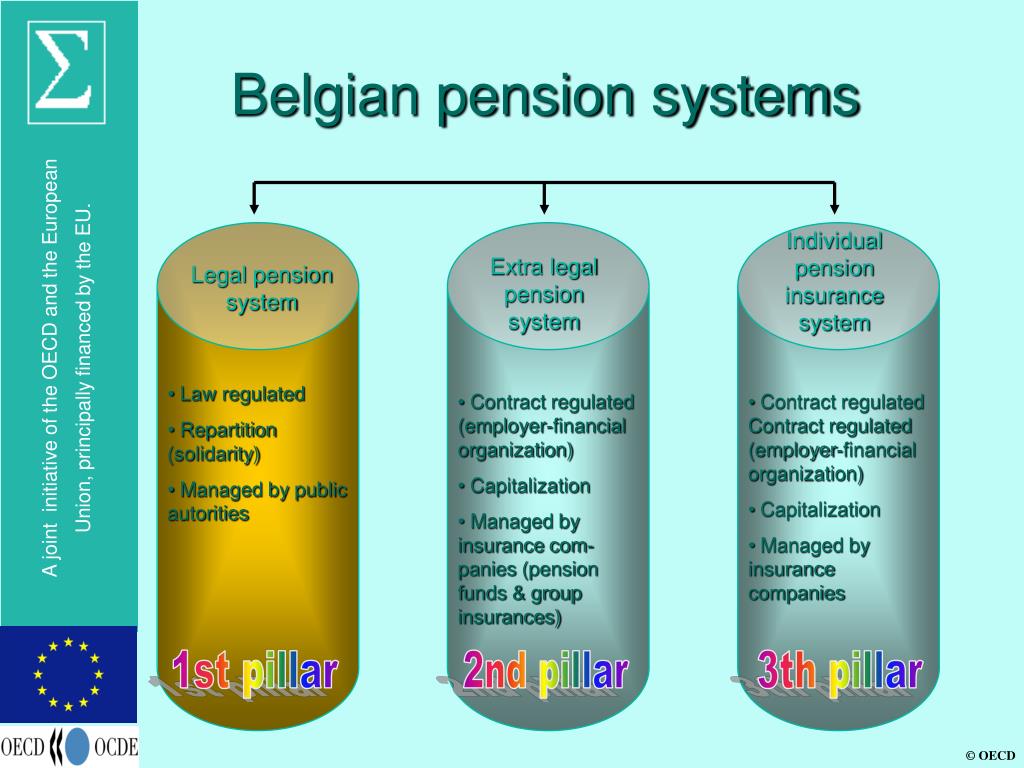
“This isn’t just about higher payouts—it’s about who foot the bill,” said Marie Dubois, a pension policy analyst at the Brussels-based think tank PensioPlus. “If the working-age population keeps declining, the system will need either higher taxes, lower benefits, or both.”
Some retirees, however, argue the increases are long overdue. “I retired in 2023 expecting €1,800 a month,” said Luc Delvaux, a 68-year-old former teacher. “Getting €2,200 instead means I can finally afford groceries without cutting corners. But I worry my kids will have to pay for it later.”
What Happens Next for Belgian Retirees?
The government has not announced further adjustments, but the National Pension Council is scheduled to review benefit formulas in late 2024. Key questions remain:
- Will the wage-indexation rule be made permanent, or will it revert to a slower growth model?
- Could the inflation cushion become an annual feature, or was it a one-time fix?
- Will employers face higher payroll contributions to offset the increased pension costs?
For now, retirees are focusing on the immediate relief. “I didn’t think I’d see this in my lifetime,” said Elise Martens, a 72-year-old retiree. “But I’m not naive—I know the party can’t last forever.”
