
The reopening of the Strait of Hormuz has prompted mixed reactions in global oil markets, with analysts warning that full normalization remains months away despite recent price fluctuations. Reports indicate that oil prices have dipped below pre-crisis levels, but persistent geopolitical tensions and logistical challenges continue to shape supply dynamics.
Market Volatility and Geopolitical Risks
Oil prices for Brent crude fell below $80 per barrel for the first time since March, according to Le Figaro, reflecting reduced immediate concerns over supply disruptions. However, BNP Paribas economists caution that the market will not return to pre-2024 conditions without sustained stability in the region. “The reopening of the strait is a positive step, but underlying factors like regional security and shipping insurance costs will delay recovery,” a report stated.
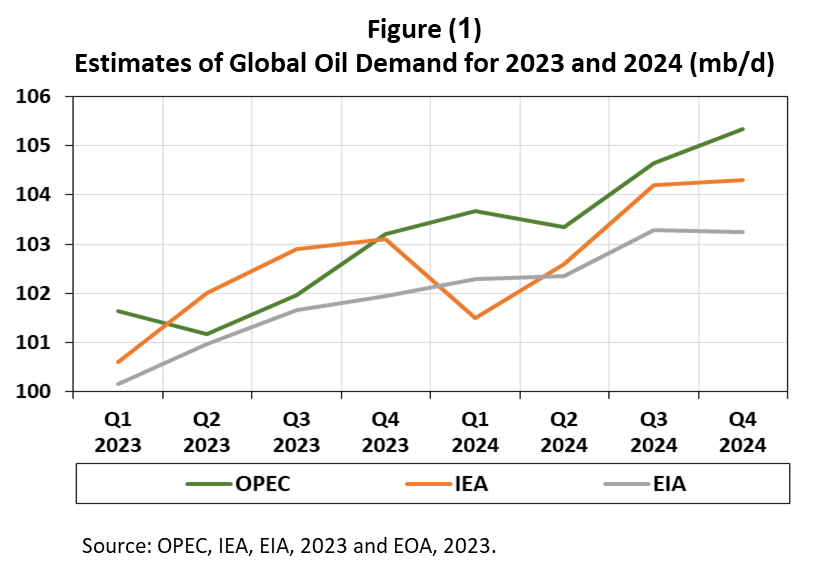
Public Sénat cited an unnamed expert who emphasized that “the global oil market is still adjusting to the aftermath of prolonged restrictions. Even a rapid resumption of traffic won’t immediately alleviate pricing pressures due to existing inventory adjustments and demand-side uncertainties.”
Impact on Fuel Prices and Consumer Markets
Franceinfo reported that diesel prices have fallen below €2 per liter, a trend attributed to eased supply bottlenecks and reduced speculative trading. However, this decline contrasts with ongoing inflationary pressures in other energy sectors. The French government has not yet announced new measures to stabilize fuel costs, leaving consumers to navigate fluctuating prices.
Analysts at BNP Paribas noted that while short-term relief is evident, long-term stability depends on broader economic factors. “Inflation is likely to persist due to structural issues in energy production and global trade routes,” the study concluded.
Regional and Global Implications
The situation underscores the strategic importance of the Strait of Hormuz, a critical artery for 20% of global oil trade. While the immediate reopening has eased some market anxieties, stakeholders remain wary of potential disruptions from ongoing Middle East conflicts. Le Monde highlighted that “the interplay between geopolitical decisions and market forces will determine the pace of recovery.”
Several energy companies have begun reassessing their logistics strategies, with some diversifying shipping routes to mitigate risks. This shift could have long-term implications for global supply chain efficiency and maritime insurance costs.
As the market continues to adapt, the focus remains on how sustained stability in the region will influence energy prices and economic policies worldwide.
