Interview: Bacterial resistance risks deaths from simple infections / Article – LSM
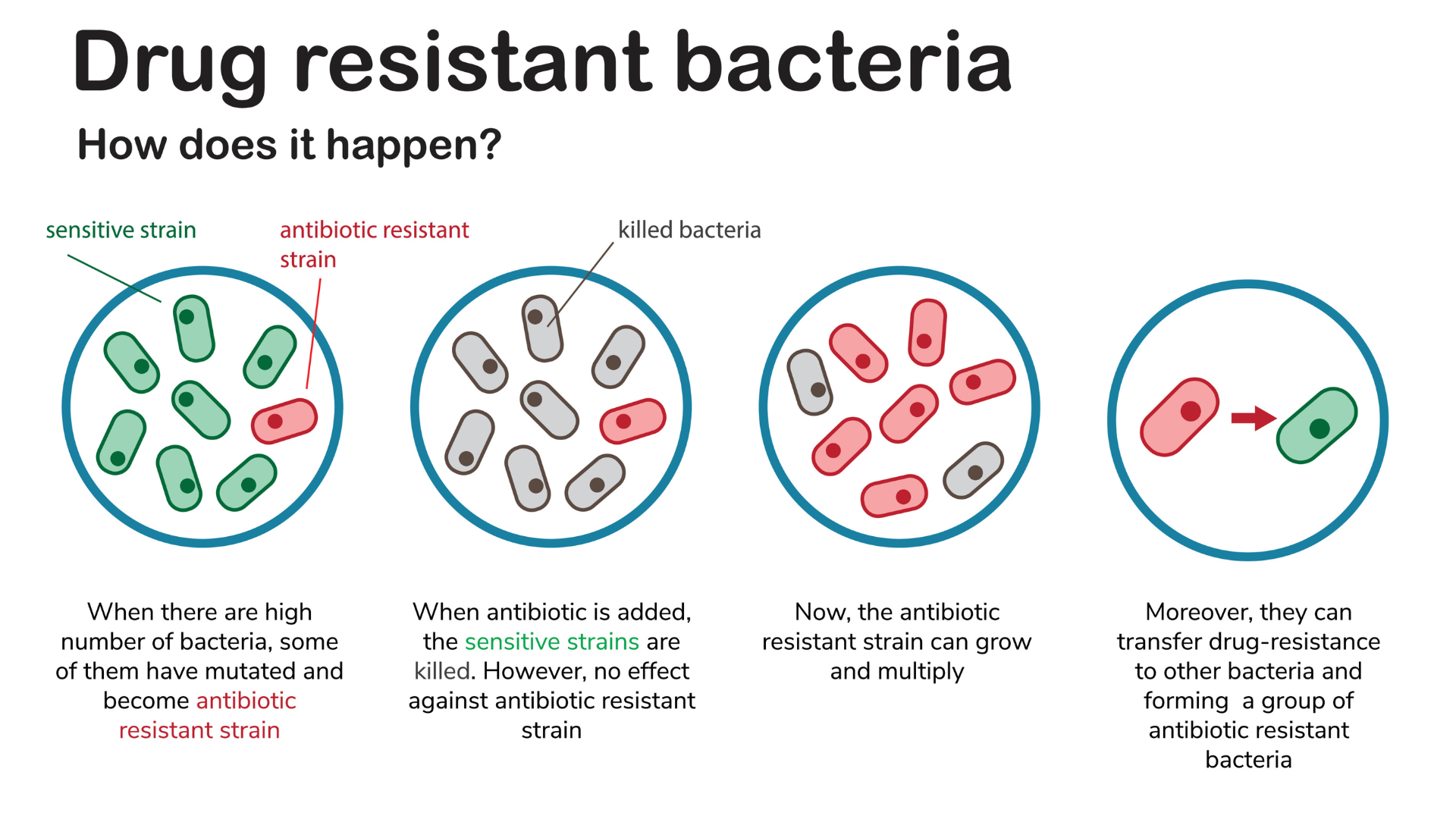
Uncontrolled antimicrobial resistance (AMR) is transforming once-treatable bacterial infections into potentially fatal conditions, according to medical experts and public health data. The rise of “superbugs”—bacteria that have evolved to withstand existing antibiotic treatments—means that common medical occurrences, such as urinary tract infections, minor skin wounds, and pneumonia, are increasingly likely to result in death if standard drugs fail. This crisis is driven by the systemic overuse of antibiotics in human medicine and industrial livestock farming, creating an evolutionary pressure that favors resistant strains.
Why simple infections are becoming lethal
For decades, antibiotics served as a safety net for modern medicine. A simple scrape or a routine surgical procedure carried little risk because bacterial infections could be cleared with a course of penicillin or its derivatives. Today, that safety net is fraying. When bacteria develop resistance, the drugs designed to kill them no longer work, leaving the patient’s immune system to fight the infection alone or forcing doctors to use “last-resort” antibiotics that are often more toxic and less effective.
The risk is most acute in “simple” infections that are often underestimated. A urinary tract infection (UTI), typically managed with a few days of medication, can escalate into urosepsis—a systemic inflammatory response that leads to organ failure—if the bacteria are resistant to first- and second-line treatments. Similarly, skin infections from minor cuts can progress to necrotizing fasciitis or systemic bloodstream infections when common antibiotics fail to stop the spread.
Medical professionals report that the danger is not just the lack of a cure, but the time lost. When a patient is prescribed a standard antibiotic that fails because the bacteria are resistant, the infection continues to multiply for several days before the failure is detected. By the time a more powerful, targeted drug is identified, the bacterial load in the body may be too high for the treatment to be effective.
| Infection Type | Standard Treatment Outcome | Drug-Resistant Outcome |
|---|---|---|
| Urinary Tract Infection (UTI) | Rapid clearance with oral antibiotics. | Risk of kidney infection or urosepsis. |
| Minor Skin Wound | Healing within days via topical/oral meds. | Deep tissue infection or systemic sepsis. |
| Community-Acquired Pneumonia | Recovery within 1–2 weeks. | Prolonged hospitalization; respiratory failure. |
| Post-Surgical Infection | Managed with prophylactic antibiotics. | Surgical failure; potential amputation or death. |
The biological mechanism of bacterial resistance
Bacteria evolve resistance through genetic mutation and horizontal gene transfer. According to microbiological research, bacteria can acquire resistance genes from other bacteria, even those of different species, through processes called conjugation, transformation, and transduction. This means a harmless bacterium in the gut can pass resistance genes to a pathogen, effectively “teaching” the pathogen how to survive an antibiotic attack.
There are several primary ways bacteria neutralize drugs:
- Enzymatic Destruction: Some bacteria produce enzymes, such as beta-lactamases, that physically break the molecular structure of the antibiotic before it can reach its target.
- Efflux Pumps: Certain strains develop specialized pumps in their cell membranes that actively eject the antibiotic from the cell as soon as it enters.
- Target Modification: Bacteria can change the shape of the proteins or receptors that the antibiotic is designed to bind to, rendering the drug unable to “lock” onto the bacteria.
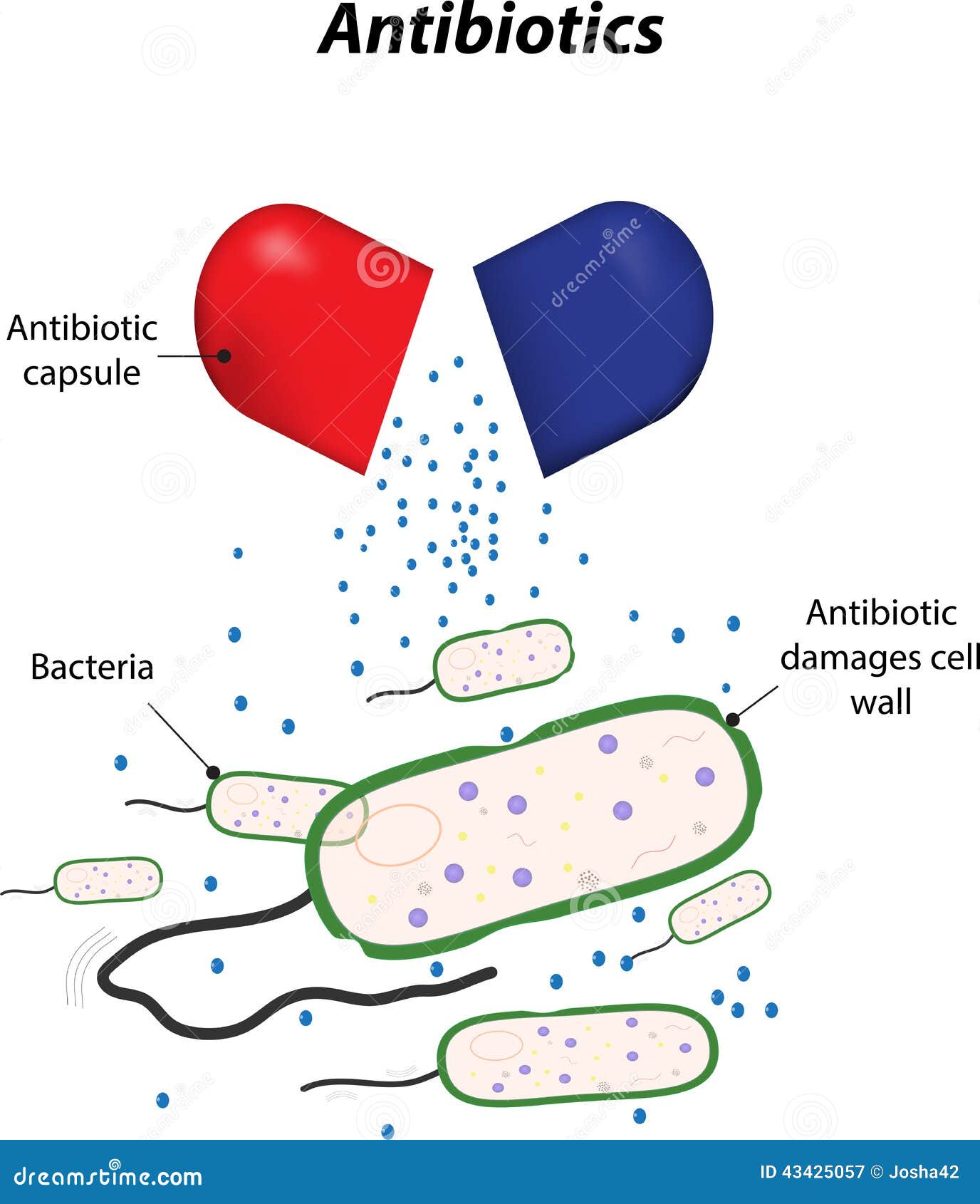
- Permeability Changes: Some bacteria thicken their outer membrane, preventing the antibiotic from penetrating the cell wall.
The more a population of bacteria is exposed to sub-lethal doses of antibiotics, the faster these mechanisms spread. This creates a selective pressure where the “weak” bacteria die, and the resistant ones survive and multiply, eventually becoming the dominant strain in a hospital or community setting.
How antibiotic overuse fuels the crisis
The acceleration of AMR is not a natural phenomenon alone; it is a direct result of human behavior. In many regions, antibiotics are available over-the-counter without a prescription, leading to widespread misuse. Patients frequently demand antibiotics for viral infections, such as the common cold or influenza, against which antibiotics have zero effect. When these drugs are taken unnecessarily, they kill off beneficial bacteria in the body and provide a training ground for opportunistic pathogens to develop resistance.
Agricultural practices contribute significantly to the global reservoir of resistant genes. In industrial livestock farming, antibiotics are often administered not to treat sick animals, but as “growth promoters” or as a preventative measure to compensate for crowded, unsanitary conditions. These low-dose, long-term exposures are ideal for breeding superbugs.
According to reports from global health monitoring bodies, these resistant bacteria move from the farm to the human population through three primary routes:
- Food Consumption: Eating undercooked meat contaminated with resistant bacteria.
- Environmental Runoff: Antibiotics and resistant bacteria leaching from manure into groundwater and crops.
- Direct Contact: Farmers and meat processors coming into contact with colonized animals.
This agricultural link means that AMR is not just a clinical issue but an environmental and systemic one. Even a person who has never taken an antibiotic in their life can be infected by a resistant strain developed in a livestock facility hundreds of miles away.
The impact on modern surgical and cancer care
The risk of death from simple infections extends beyond the general public and into the heart of advanced medicine. Many of the triumphs of 20th-century medicine rely on the ability to prevent and treat infection. Without effective antibiotics, the risk profile of routine procedures changes drastically.
Chemotherapy and Immunosuppression: Cancer treatments often wipe out a patient’s white blood cells, leaving them severely immunocompromised. In this state, a common bacterium that would be harmless to a healthy person can cause a fatal infection. If that bacterium is resistant to the antibiotics used in oncology wards, the patient may die from the infection rather than the cancer.
Elective and Emergency Surgeries: Procedures such as hip replacements, C-sections, and heart surgeries rely on prophylactic antibiotics to prevent post-operative sepsis. If these drugs fail, the risk of surgical site infections increases. In severe cases, an untreatable infection in a prosthetic joint may necessitate the removal of the implant or, in extreme scenarios, amputation of the limb to save the patient’s life.
Organ Transplants: Transplant recipients must take immunosuppressant drugs to prevent organ rejection. This makes them highly susceptible to opportunistic infections. AMR threatens the viability of organ transplantation by making the post-operative period dangerously unstable.
Experts suggest that if the trend continues, the world could enter a “post-antibiotic era,” where the risk of infection makes these life-saving interventions too dangerous to perform routinely.
The pharmaceutical innovation gap
One of the most concerning aspects of the AMR crisis is the lack of new antibiotics entering the market. While bacteria evolve rapidly, the pipeline for new antimicrobial drugs has slowed to a crawl. This is largely attributed to a market failure within the pharmaceutical industry.
Unlike drugs for chronic conditions (such as blood pressure or diabetes), which patients take daily for years, antibiotics are taken for a short duration. Furthermore, when a company develops a powerful new “last-resort” antibiotic, health authorities intentionally restrict its use to ensure it remains effective for as long as possible. This means the drug sells very few units compared to other medications.
The result is a lack of financial incentive. The cost of research, development, and clinical trials for a new antibiotic is immense, but the potential return on investment is low. Consequently, many major pharmaceutical companies have abandoned antibiotic research entirely, leaving the task to smaller biotech firms that often lack the capital to bring a drug through the final stages of FDA or EMA approval.
To counter this, some governments are exploring “pull” incentives—financial rewards given to companies that successfully develop a new antibiotic, regardless of how many units are sold. The goal is to decouple the profit motive from the volume of sales, encouraging the creation of drugs that are meant to be used sparingly.
Global strategies for antibiotic stewardship
Addressing the risk of death from simple infections requires a coordinated global effort known as “One Health,” which recognizes that human health, animal health, and environmental health are interconnected. Antibiotic stewardship is the cornerstone of this approach.
Clinical Stewardship: Hospitals are implementing stricter protocols for prescribing antibiotics. This includes “diagnostic stewardship,” where doctors use rapid tests to determine if an infection is bacterial or viral before prescribing medication, and “de-escalation,” where a broad-spectrum antibiotic is replaced by a narrow-spectrum one once the specific bacteria are identified.
Agricultural Reform: Many nations are banning the use of antibiotics for growth promotion. The European Union has led the way in restricting the prophylactic use of critically important antimicrobials in livestock, though adoption varies globally.
Public Education: Campaigns are working to change patient expectations. Educating the public that antibiotics do not cure the flu or the common cold reduces the pressure on clinicians to prescribe unnecessary medications.
Current efforts are also focusing on alternatives to traditional antibiotics, including:
- Bacteriophages: Using viruses that specifically target and kill bacteria.
- Monoclonal Antibodies: Engineering proteins to neutralize bacterial toxins.
- Vaccination: Reducing the overall incidence of bacterial infections, thereby reducing the need for antibiotics in the first place.
For more information on how to manage personal health risks, readers may look for a related explainer on antibiotic stewardship and proper medication usage.
Common misconceptions about bacterial resistance
There is a frequent misunderstanding regarding what exactly “becomes resistant.” Many people believe that the human body becomes resistant to the antibiotic. This is incorrect. It is the bacteria that evolve resistance, not the person. If a person has a resistant infection, they are not “immune” to the drug; rather, the drug is no longer capable of killing the specific strain of bacteria inhabiting their body.
Another common myth is that taking antibiotics for a viral infection “strengthens” the virus. Antibiotics have no effect on viruses. However, taking them unnecessarily does kill the beneficial bacteria in the microbiome, which can leave the body more vulnerable to secondary bacterial infections—which may then be resistant to the very drug the patient just took.
Finally, some believe that “natural” antibiotics, such as garlic or honey, can replace pharmaceutical antibiotics for serious infections. While some natural substances have mild antimicrobial properties in a lab setting, they cannot reach the concentrations necessary in the human bloodstream to treat a systemic infection or sepsis. Relying on these for serious infections often leads to dangerous delays in effective treatment.
Frequently Asked Questions
What is the difference between a superbug and a normal bacterium?
A “superbug” is a strain of bacteria that has developed resistance to multiple types of antibiotics. While normal bacteria can be killed by standard first-line drugs (like penicillin), superbugs require specialized, often more toxic, “last-resort” medications, or in some cases, they are entirely untreatable with current medicine.
Can I tell if my infection is resistant to antibiotics?
You cannot tell based on symptoms alone. Resistance is determined in a laboratory through a “culture and sensitivity test.” A doctor takes a sample of the infection (blood, urine, or swab) and grows the bacteria in the presence of various antibiotics to see which ones effectively kill the pathogen.
Does taking antibiotics for a cold make me more likely to get a superbug?
Yes, indirectly. While the antibiotic won’t affect the cold virus, it exposes the bacteria normally living in your body to the drug. This kills the susceptible bacteria and allows any naturally resistant strains to multiply without competition, increasing the likelihood that your next bacterial infection will be harder to treat.
Are there any antibiotics that bacteria cannot become resistant to?
No. Given enough time and exposure, bacteria can potentially evolve a mechanism to survive almost any chemical agent. This is why the “stewardship” of existing drugs is so critical—the goal is to slow down the evolutionary process, not to find a “permanent” cure.
How can I help prevent the spread of antimicrobial resistance?
The most effective actions include: only taking antibiotics when prescribed by a licensed professional, completing the full course of medication even if you feel better, never sharing antibiotics with others, and maintaining up-to-date vaccinations to prevent infections from occurring.
The trajectory of antimicrobial resistance suggests that the risk of death from simple infections will continue to rise unless there is a fundamental shift in how antibiotics are used globally. The transition from a world where infections were easily cured to one where they are life-threatening is already underway, making the development of new drugs and the strict conservation of existing ones a matter of urgent global security.
