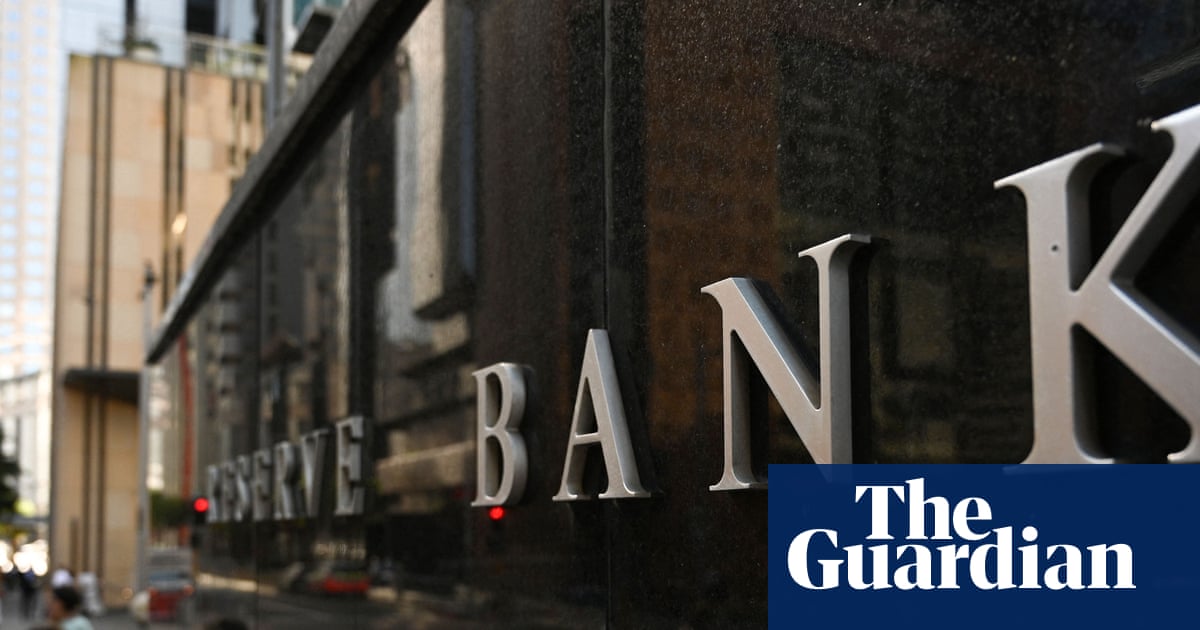
Interest Rate Hikes Remain on Cards as Australia’s Underlying Inflation Climbs, Economists Warn
New data showing Australia’s underlying inflation has hit a two-year high has increased the probability of further interest rate hikes by the Reserve Bank of Australia (RBA), according to reports from The Guardian and The Australian. Economists warn that core inflation levels suggest the central bank may implement at least one more rate increase to curb persistent price growth.
Why is underlying inflation triggering rate hike warnings?
The primary driver of current economic anxiety is the rise in “underlying” or “core” inflation. While headline inflation includes volatile items like seasonal fruit and fuel, underlying inflation strips these out to show the deeper trend of price increases across the economy. According to SMH.com.au, a key measure of this underlying inflation has reached its highest level in two years.
The Reserve Bank of Australia relies heavily on these core figures because they provide a clearer picture of long-term price stability. When underlying inflation climbs, it suggests that price increases are becoming embedded in the economy, rather than being caused by temporary external shocks. The Australian reports that these signals point toward the necessity of at least one more rate rise to prevent inflation from becoming a permanent fixture of the economic landscape.
Economists argue that if the RBA does not act decisively, there is a risk that inflation expectations will rise among consumers and businesses. This creates a cycle where workers demand higher wages to keep up with prices, and businesses raise prices to cover higher wage costs—a phenomenon known as a wage-price spiral.
- Core Inflation: A measure that excludes volatile items to reveal the long-term trend.
- Headline Inflation: The total inflation figure, including all goods and services.
- Two-Year High: The current peak for underlying inflation, signaling persistent pressure.
How did the financial markets respond to the CPI data?
Market reactions to the Consumer Price Index (CPI) data were mixed, showing a divergence between equity markets and currency values. The Australian Financial Review (AFR) reported that the ASX ended the trading session higher, despite the looming threat of higher interest rates.
A significant contributor to the ASX’s performance was WiseTech, which saw its shares rebound by 14 per cent. This suggests that investors in certain high-growth sectors may be prioritizing company-specific recovery or global demand over domestic interest rate concerns. However, the currency market told a different story. The AFR noted that the Australian Dollar (AUD) hit an 11-week low following the data release.
The decline of the AUD often reflects a complex interplay between domestic rate expectations and global sentiment. While higher domestic rates usually support a currency, the AUD’s drop suggests that investors may be weighing Australia’s inflation struggles against broader global economic headwinds or the relative strength of the US Dollar.
“Latest inflation data increases rate-hike risk, ASX rises,” reported the Australian Broadcasting Corporation (ABC), highlighting the paradox of a rising stock market in the face of tightening monetary policy.
What is the difference between headline and underlying inflation?
To understand why economists are warning of rate hikes despite fluctuations in general prices, it is necessary to distinguish between the different ways inflation is measured. The RBA and economic analysts track several metrics to determine if the economy is overheating.
Headline Inflation
Headline inflation is the raw figure that most consumers feel daily. It includes everything in the “basket of goods,” such as the price of a liter of petrol or a kilo of tomatoes. Because these items can swing wildly due to weather events or geopolitical conflicts, headline inflation can be “noisy” and misleading for long-term policy planning.
Underlying (Core) Inflation
Underlying inflation is the “filtered” version. By removing the most volatile components, the RBA can see if the cost of services, rents, and manufactured goods is rising. When this figure climbs—as it has recently to a two-year high—it indicates that the inflation is “sticky.” Sticky inflation is much harder to remove than temporary price spikes and typically requires the “blunt instrument” of higher interest rates to solve.
| Metric | Includes | Volatility | RBA Priority |
|---|---|---|---|
| Headline Inflation | All goods, fuel, fresh food | High | Secondary (Monitoring) |
| Underlying Inflation | Services, rents, stable goods | Low | Primary (Policy Setting) |
What are the potential consequences of another RBA rate hike?
If the RBA follows the path suggested by current economic data, the impact will be felt across several sectors of the Australian economy. The most immediate pressure will be on households with variable-rate mortgages.
Impact on Mortgages and Households
Each interest rate hike increases the monthly repayments for millions of homeowners. This reduces “discretionary spending”—the money people spend on dining out, travel, and retail. By intentionally slowing down spending, the RBA aims to lower demand for goods and services, which eventually forces businesses to stop raising prices.
Business Investment and Growth
Higher borrowing costs make it more expensive for businesses to expand. Loans for new equipment, warehouses, or staff become more costly, which can lead to a slowdown in business growth. However, some companies, like those mentioned in the AFR’s report on the ASX, may remain resilient if they have strong cash reserves or operate in global markets less affected by domestic Australian rates.
The Currency Dynamic
The relationship between interest rates and the Australian Dollar is a critical point of analysis. Typically, higher interest rates attract foreign investment, as investors seek higher returns on assets denominated in that currency. This usually drives the currency value up. The fact that the AUD hit an 11-week low despite the inflation-driven rate risk suggests that external factors—such as US Federal Reserve policy or China’s economic performance—are currently outweighing domestic RBA signals.
For more context on how central banks manage these cycles, see a related explainer on monetary policy tools.
How do different news outlets frame the inflation risk?
Analysis of the reporting across major outlets reveals a slight difference in focus, reflecting their target audiences. The AFR focuses heavily on the market mechanics, highlighting specific stock movements like WiseTech and the AUD’s 11-week low. This framing treats inflation as a variable for investment strategy.
In contrast, The Guardian and SMH.com.au frame the story as a risk to the general public, focusing on the “cards” (the possibility) of rate hikes and the “unwelcome” nature of the data. Their reporting emphasizes the burden on the average citizen and the warning signs from economists.
The Australian takes a more definitive stance, stating that the data “signals at least one more RBA rate rise.” While other outlets describe the hike as a “risk” or “on the cards,” The Australian presents it as a likely necessity based on the core inflation trajectory.
What leads to a “two-year high” in underlying inflation?
Underlying inflation does not rise in a vacuum. Several systemic factors contribute to the current climb. According to economic analysis, the persistence of price growth in the services sector is a primary culprit. While the cost of physical goods may stabilize, the cost of insurance, healthcare, and education often continues to rise.
Labor market tightness also plays a role. When unemployment is very low, businesses must offer higher wages to attract and retain staff. To maintain profit margins, these businesses often pass those wage costs on to consumers in the form of higher prices. This creates the “sticky” inflation that the RBA is currently fighting.
Additionally, the lingering effects of supply chain disruptions and the surge in migration have put upward pressure on rents and housing costs. Since rent is a major component of the underlying inflation basket, these increases keep the core figure elevated even when other prices fall.
Common misconceptions about interest rate hikes
There is often a misunderstanding that interest rate hikes are a “punishment” or a sign of a failing economy. In reality, the RBA uses rate hikes as a tool to prevent a worse outcome: hyperinflation or a total loss of purchasing power.
Misconception 1: “If inflation is falling from its peak, rates should go down.”
Economists warn that “disinflation” (inflation falling) is not the same as “deflation” (prices actually dropping). If inflation is falling but remains above the RBA’s target range (usually 2–3%), the RBA may still raise rates to ensure the trend continues downward.
Misconception 2: “Rate hikes only affect people with mortgages.”
While mortgage holders feel the most immediate pain, rate hikes affect everyone. They influence the cost of business loans, the interest rates on savings accounts, and the overall value of the currency, which in turn affects the price of imported goods.
Misconception 3: “The RBA can stop inflation instantly.”
Monetary policy has a “lag.” It can take 12 to 18 months for a rate hike to fully filter through the economy and impact consumer behavior. This is why the RBA often raises rates based on forecasts of where inflation is going, rather than just where it is today.
What are the key indicators to watch moving forward?
To determine if the RBA will actually pull the trigger on another rate hike, analysts are watching three specific indicators:
- Monthly CPI Prints: The RBA will look for a consistent downward trend in the underlying figures. A single “good” month is rarely enough to stop a hiking cycle.
- Wage Price Index (WPI): If wage growth accelerates significantly, it will almost certainly trigger a rate hike to prevent the wage-price spiral mentioned earlier.
- Employment Data: If the unemployment rate begins to rise sharply, the RBA may be more hesitant to raise rates, as they would not want to trigger a severe recession.
For those tracking their personal finances, it may be useful to look at a related guide on managing variable rate mortgages during inflationary periods.
Frequently Asked Questions
Will the RBA definitely raise interest rates again?
While not guaranteed, economists cited by The Australian and The Guardian warn that it remains a significant risk. The decision depends on whether upcoming data shows that underlying inflation is returning to the RBA’s target range.
Why did the stock market (ASX) rise if rate hikes are coming?
The ABC and AFR noted that the ASX ended higher, partly due to rebounds in specific stocks like WiseTech. This suggests that some investors believe corporate earnings growth or global factors are more important than domestic interest rate increases.
What is the difference between core inflation and headline inflation?
Headline inflation includes all price changes, including volatile items like fuel and fresh food. Core (or underlying) inflation removes these volatile items to show the long-term trend, which is what the RBA uses to set interest rates.
Why is the Australian Dollar falling if rates might go up?
According to the AFR, the AUD hit an 11-week low. This suggests that global economic conditions or the strength of other currencies (like the USD) are currently outweighing the potential for higher Australian interest rates.
How does a rate hike actually lower inflation?
Higher rates increase the cost of borrowing, which reduces the amount of money households and businesses have to spend. This lower demand forces businesses to slow down price increases to attract customers, eventually lowering the overall inflation rate.
