
A 700-kilometer test of 13 plug-in hybrid electric vehicles (PHEVs) in 2026 revealed mixed results for their value proposition, according to industry analyses. The study, conducted by automotive testing groups, highlighted disparities in fuel efficiency, charging infrastructure compatibility, and long-term cost savings, raising questions about the viability of PHEVs in a rapidly evolving electric vehicle (EV) market.
Key Findings from the 700-Km PHEV Test
The evaluation, which assessed models across multiple manufacturers, found that some PHEVs achieved up to 45% lower fuel consumption compared to traditional internal combustion engines, while others fell short of expectations. Factors such as driving patterns, access to charging stations, and battery degradation rates significantly influenced outcomes. For instance, urban drivers with consistent access to Level 2 chargers saw better efficiency, whereas long-haul commuters faced limitations due to range anxiety and slower charging speeds.
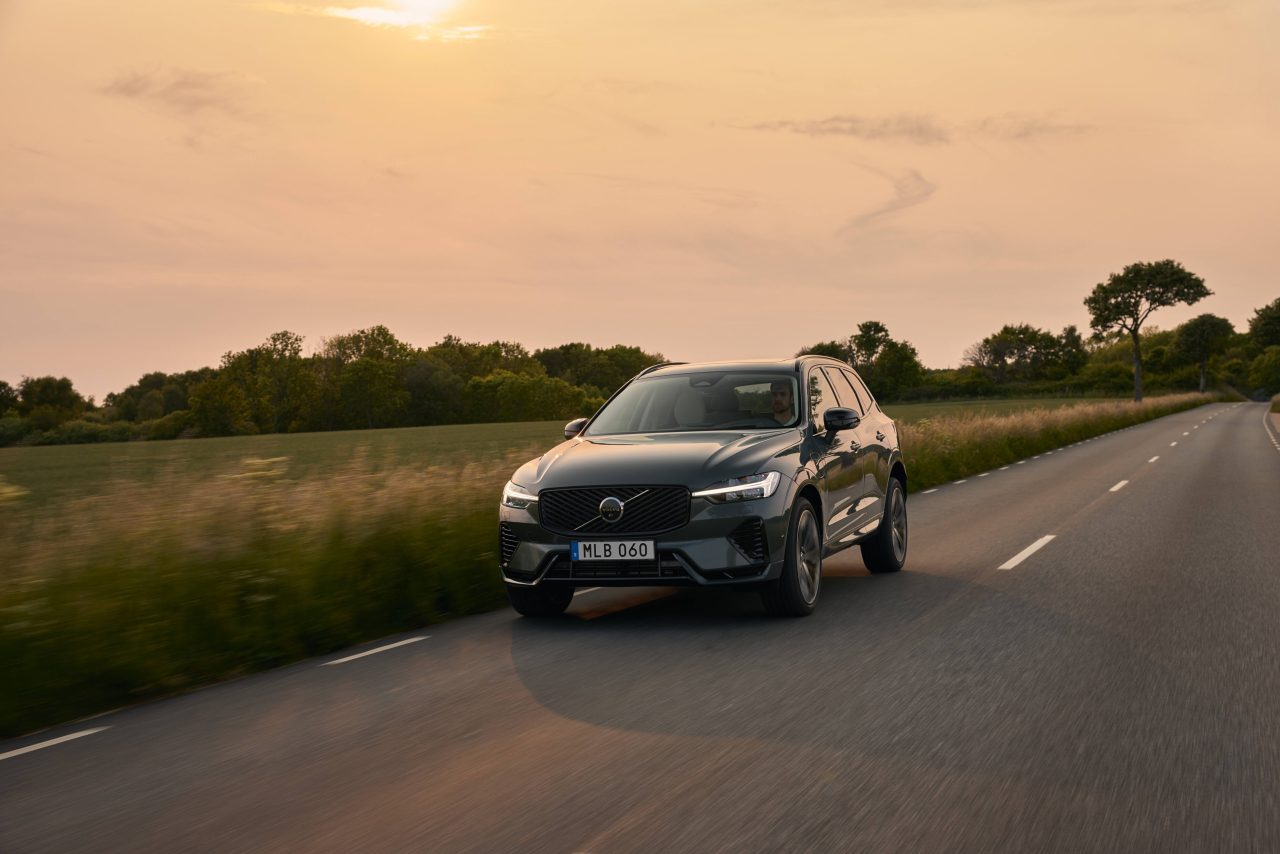
According to a report by Highmotor, the test also emphasized the importance of real-world energy consumption metrics. Several models advertised higher electric-only ranges than what was observed during the trial, prompting calls for standardized testing protocols. “Consumers need transparency to make informed decisions,” said a spokesperson for the European Automobile Manufacturers Association, which supported the study.
Market Trends and Consumer Considerations
The findings come as Spain’s electric vehicle market accelerates, with 70% of new car sales projected to be electric by 2030. However, PHEVs remain a transitional option for buyers hesitant to fully commit to battery-electric vehicles (BEVs). Guides published by Highmotor and Libertatea advise urban drivers to prioritize models with efficient regenerative braking systems and compact battery packs, which reduce weight and improve overall performance.
Analysts note that PHEVs face increasing scrutiny from policymakers. The European Union’s proposed 2035 ban on new internal combustion engine vehicles has pushed automakers to accelerate BEV development, leaving PHEVs in a precarious position. “While PHEVs offer flexibility, their long-term relevance depends on how quickly charging infrastructure expands and battery technology advances,” said a senior economist at a Frankfurt-based financial institution.
What’s Next for PHEV Buyers?
Automakers are responding to the mixed reception by refining PHEV designs. Some are integrating larger battery capacities and faster charging options, while others are exploring hydrogen fuel cell hybrids as an alternative. Meanwhile, consumers are advised to weigh upfront costs against potential savings on fuel and maintenance, as well as local incentives for low-emission vehicles.
Industry observers suggest that PHEVs may serve as a bridge for markets with limited EV infrastructure but caution that their dominance is unlikely to last beyond the mid-2020s. “The future belongs to fully electric vehicles,” said a representative from a major German automaker. “PHEVs are a stepping stone, not a destination.”
