Australia’s 2026 Minimum Wage Decision: 6% Rise for Workers, But Will It Close the Pay Gap?
Australia’s minimum wage will increase by 6% from July 1, 2026, while award rates will rise by 4.75%, marking the latest step in a slow but uneven recovery for millions of workers still earning below pre-pandemic living standards. The decision, announced today, comes as economic pressures—rising inflation, stagnant real wages, and political tensions over cost-of-living relief—continue to shape labor market debates. With nearly 2.5 million Australians earning the minimum wage or award rates, the adjustment will inject an estimated $1.2 billion into household incomes annually, though economists warn the increase may not fully offset years of eroded purchasing power.
The Fair Work Commission’s latest ruling reflects a balancing act: addressing wage stagnation while avoiding inflationary pressures in a global economy still grappling with supply chain disruptions and central bank tightening. But for many workers, the question remains: Will this rise finally bridge the gap between wages and living costs, or is it another incremental step in a decade-long struggle for fair pay?
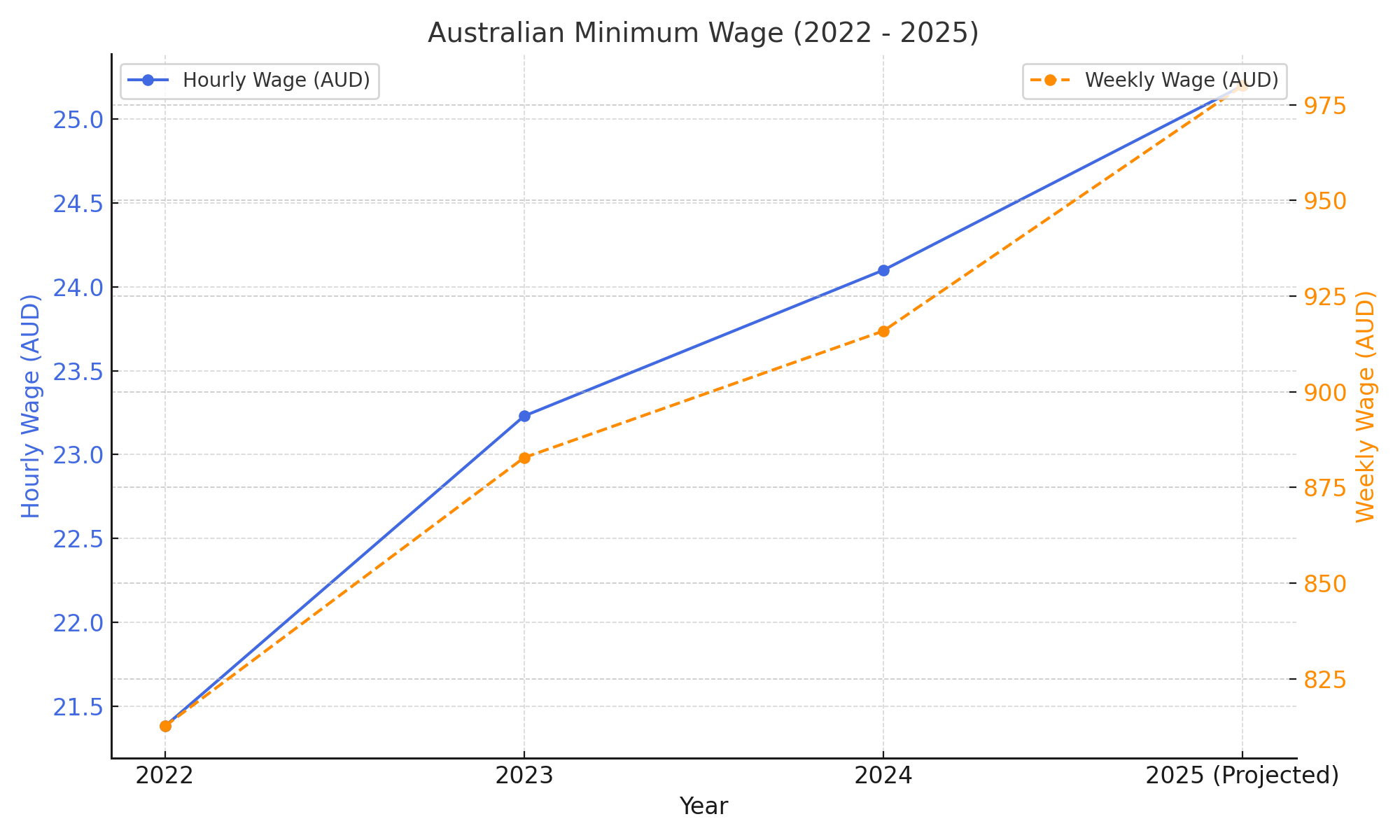
— ### What the 6% Minimum Wage Increase Means for Workers The 6% increase—announced by the Fair Work Commission—will lift the national minimum wage from $23.23 per hour to approximately $24.64 per hour (before tax) from July 1. For full-time workers on the minimum, this translates to an extra $1,800 annually. Award rates, which apply to millions more under industry agreements, will rise by 4.75%, a slightly lower adjustment reflecting the Commission’s attempt to differentiate between base wages and sector-specific conditions.
The 6% increase is the largest single-year rise since 2021, but it still falls short of the 7.5% inflation rate recorded in 2022. In real terms, workers are still earning less than they did five years ago.
#### Key Figures in the Decision – National Minimum Wage (pre-July 2026): $23.23/hour – New Minimum Wage (post-July 2026): ~$24.64/hour (+6%) – Award Rate Adjustment: +4.75% – Estimated Annual Boost for Minimum-Wage Earners: $1,800–$2,200 – Workers Affected: ~2.5 million Australians (minimum wage + award rates) The Commission’s decision follows months of submissions from unions, employer groups, and economists. The Australian Council of Trade Unions (ACTU) had pushed for a 7% increase, arguing that wages had fallen behind inflation by nearly 15% since 2019. Employer groups, including the Australian Chamber of Commerce and Industry (ACCI), warned that larger hikes could jeopardize small business recovery. — ### Why This Matters: The Long Road to Real Wage Recovery The 6% increase is the latest chapter in a story of wage stagnation that predates the pandemic. Since 2012, Australia’s minimum wage has grown by just 45% in nominal terms—far outpaced by inflation and productivity gains. The result? A widening gap between wages and living costs, particularly in cities where housing and childcare expenses have surged. #### The Inflation Wage Gap – 2019 Minimum Wage (pre-pandemic): $19.84/hour – 2024 Minimum Wage (adjusted for inflation): ~$22.50/hour (vs. Actual $23.23) – Real-Wage Loss Since 2019: ~7–10% for minimum-wage earners
For a single parent working full-time on the minimum wage, the extra $1,800 annually won’t cover the $3,000+ annual increase in childcare costs alone in major cities like Sydney and Melbourne.
Economists note that while the increase is welcome, it does little to address structural issues: – Rent and housing costs have risen faster than wages in every capital city. – Casual and part-time workers (who disproportionately rely on award rates) often miss out on penalty rates and overtime protections. – Regional disparities mean rural workers, who already earn less, see minimal relief from national adjustments. — ### Political and Economic Context: A Divided Response The decision comes as Australia’s political landscape remains volatile. The Labor government, led by Prime Minister Anthony Albanese, has faced criticism from both sides: – Opposition (Coalition): Argues the increase is too modest and risks inflation, pointing to recent Reserve Bank warnings about wage-price spirals. – Crossbench and Independents: Some, like Senator Jacqui Lambie, have called for higher increases tied to inflation, while others warn of job losses in small businesses. – Unions: The ACTU has framed the decision as a “victory,” but with caveats—highlighting that award rates lag behind minimum wages and that underpayment remains rampant. #### The Inflation Debate The Fair Work Commission cited several factors in its decision: 1. Labor market conditions: Unemployment remains low (~3.8%), but underemployment (people working part-time but wanting full-time hours) is at 6.5%—a sign of hidden economic strain. 2. Inflation outlook: While headline inflation has eased to ~4.2%, core inflation (excluding volatile items) remains sticky at ~3.8%. 3. Productivity growth: Slow gains in productivity mean wage increases must be tempered to avoid cost pressures.
The Commission’s decision is a middle ground, but it’s clear the government is walking a tightrope—balancing wage growth with fears of reigniting inflation.
— ### Who Wins and Who Loses? #### Winners – Minimum-wage earners: The direct financial boost will help ~1.2 million workers, many of whom are young, women, and migrants. – Low-income households: Families on tight budgets will see modest relief, though the increase is unlikely to cover rising costs for essentials like groceries and utilities. – Industries with high award reliance: Sectors like hospitality, retail, and aged care, where award rates set baseline pay, will see across-the-board adjustments. #### Potential Losers – Small businesses: Margins in sectors like hospitality and retail may shrink, particularly for those already struggling with labor shortages. – Regional employers: In areas with lower living costs, the increase may outpace local economic conditions, leading to higher operational costs. – Casual workers: Many on award rates miss out on penalty increases that full-time workers receive, widening the gap between permanent and casual pay. — ### The Bigger Picture: Will This Close the Pay Gap? The 6% increase is a step, but not a solution. Australia’s wage inequality remains among the highest in the OECD, with the top 10% earning nearly 10 times more than the bottom 10%. Key challenges ahead: 1. Award modernizations: Many industry awards are outdated, with some dating back to the 1990s. The Commission is reviewing 120 awards, but progress has been slow. 2. Underpayment scandals: A 2025 report by the Fair Work Ombudsman found $1.2 billion in underpayments to workers in the past year—mostly in hospitality, retail, and cleaning sectors. 3. Housing affordability: Even with higher wages, rent and mortgage costs have outpaced income growth in every major city.
The minimum wage increase is a band-aid on a systemic issue. Without broader reforms—like stronger award modernizations, better enforcement of labor laws, and affordable housing policies—workers will continue to struggle.
— ### What Happens Next? The Fair Work Commission’s decision is final, but the political and economic fallout will unfold over the next six months: – July 1 rollout: Wages will adjust automatically for minimum-wage and award-covered workers. – Union campaigns: The ACTU is already planning protests and lobbying for further increases, particularly for casual and part-time workers. – Employer responses: Small business groups may push for tax relief or subsidies to offset higher labor costs. – Inflation watch: The Reserve Bank will monitor wage growth closely—if increases accelerate, it could influence interest rate decisions. For workers, the focus will be on whether the extra income translates into real improvements in living standards. With inflation still above wage growth, the answer remains uncertain. — ### Frequently Asked Questions #### 1. How much will my pay rise if I’m on the minimum wage? If you earn the national minimum wage ($23.23/hour), your pay will increase to approximately $24.64/hour from July 1, 2026. For a full-time worker (38 hours/week), this is an extra $1,800–$2,200 annually before tax. #### 2. Will award rates increase by the same amount? No. Award rates will rise by 4.75%, slightly less than the 6% minimum wage increase. This reflects the Fair Work Commission’s approach to differentiating between base wages and industry-specific conditions. #### 3. Does this increase apply to casual workers? Yes, but with caveats. Casual workers covered by awards will see their base rates rise by 4.75%. However, many casuals miss out on penalty rates (e.g., weekend or public holiday loadings) that full-time workers receive, so their effective pay rise may be smaller. #### 4. Will this help with the cost of living? Partially. While the increase provides some relief, it does not fully offset rising costs for essentials like rent, childcare, and groceries. In Sydney and Melbourne, for example, a single parent on the minimum wage will still struggle to cover basic living expenses. #### 5. What if my employer can’t afford the pay rise? Employers are legally required to comply with the Fair Work Commission’s decision. Small businesses may seek government support or lobby for tax concessions, but there is no exemption for the wage increase. #### 6. How does this compare to past minimum wage increases? The 6% increase is the largest single-year rise since 2021, but it’s still below the ~7.5% inflation rate seen in 2022. Historically, Australia’s minimum wage has grown by an average of 3–4% annually over the past decade—far below inflation in most years. —
