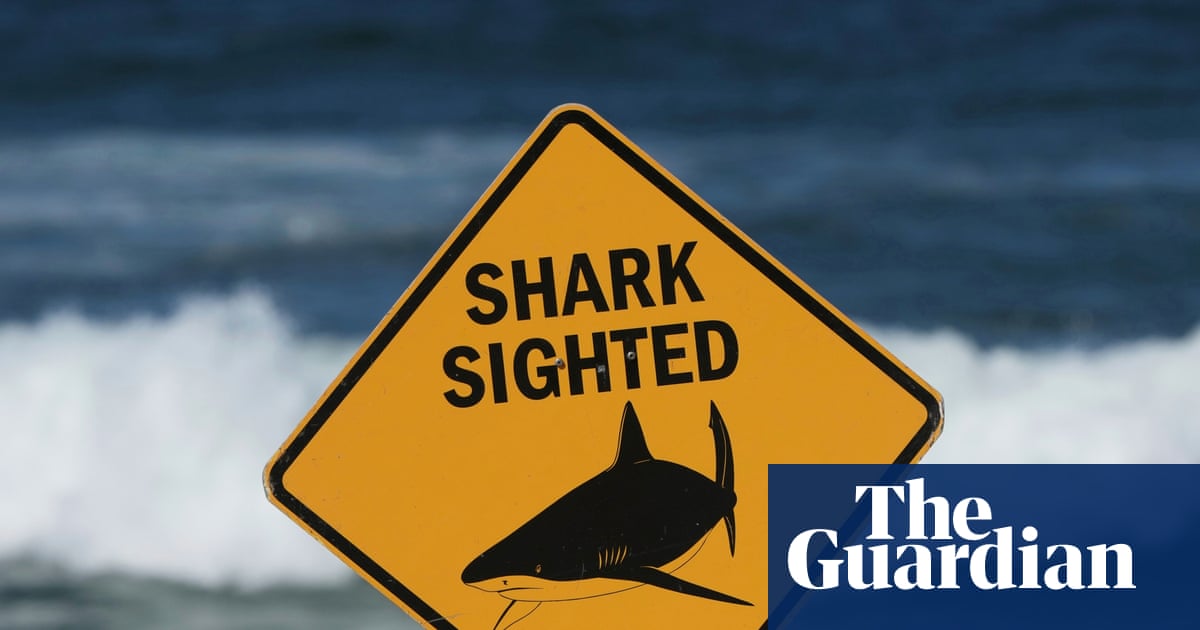
Australia’s shark attack crisis: Why half the world’s fatalities happen here—and how to stay safe
The beaches of Australia’s east coast have long been synonymous with danger. With half of all fatal shark attacks worldwide occurring in its waters, the country now faces a growing public health crisis. While electronic deterrents like shark deterrent drums and wearable devices are marketed as solutions, their effectiveness remains hotly debated. New research suggests that even the most advanced technology may not be enough to eliminate the risk entirely—leaving swimmers, surfers, and coastal communities to grapple with how to balance enjoyment of the ocean with the very real threat of attack.
In the past decade alone, Australia has recorded more than 30 shark-related fatalities, a figure that dwarfs that of any other nation. The problem is not just the number of incidents, but their concentration in high-traffic areas like Sydney’s Bondi Beach, where recent attacks have forced authorities to reconsider traditional safety measures. With tourism and local economies at stake, the question is no longer just about survival—it’s about how to coexist with one of the ocean’s most feared predators.
This article examines the science behind Australia’s shark attack epidemic, evaluates the real-world effectiveness of electronic deterrents, and provides actionable advice for those who venture into the water. It also explores the psychological toll on communities, the role of government response, and whether emerging technologies—or stricter beach management—hold the key to safer swimming.
—
Why does Australia have half the world’s fatal shark attacks?
Australia’s disproportionate share of shark attacks stems from a combination of ecological, geographical, and human factors. According to the International Shark Attack File (ISAF), the country accounts for roughly 50% of all unprovoked fatal attacks globally, despite having only 0.3% of the world’s population. The primary reasons include:
- High shark biodiversity: Australian waters host over 180 species of sharks, including great whites, bull sharks, and tiger sharks—species known for their aggressive behavior and proximity to shore.
- Warm, nutrient-rich waters: The East Australian Current creates a thriving marine ecosystem, attracting both prey and predators close to coastal areas where humans swim.
- Urban beach culture: Cities like Sydney, Brisbane, and Gold Coast have dense populations and popular beaches, increasing human-shark interactions.
- Climate change impacts: Rising sea temperatures are expanding shark habitats, bringing species closer to shore and into areas previously considered low-risk.
Dr. David W. Wells, a marine biologist at the University of Western Australia, notes that “the perception of danger is often exaggerated, but the reality is that Australia’s unique ocean conditions create a perfect storm for these incidents.” His research indicates that while attacks are rare—occurring in about 1 in 3 million swims—they are not random. “Sharks are more likely to investigate areas with seals, dolphins, or injured fish,” he says. “Human swimmers can sometimes be mistaken for prey.”
Yet the numbers tell a stark story. Between 2010 and 2023, Australia recorded an average of three fatal shark attacks per year, with peaks in years like 2015 (five deaths) and 2022 (four deaths). The Australian Shark Attack File tracks these incidents, revealing that most occur in New South Wales and Queensland, where warm waters and strong currents create ideal hunting grounds.
Key statistic: In 2023 alone, Australia recorded seven fatal shark attacks—nearly double the global average for non-fatal incidents in the same period, according to the ISAF.
—
Do electronic shark deterrents actually work?
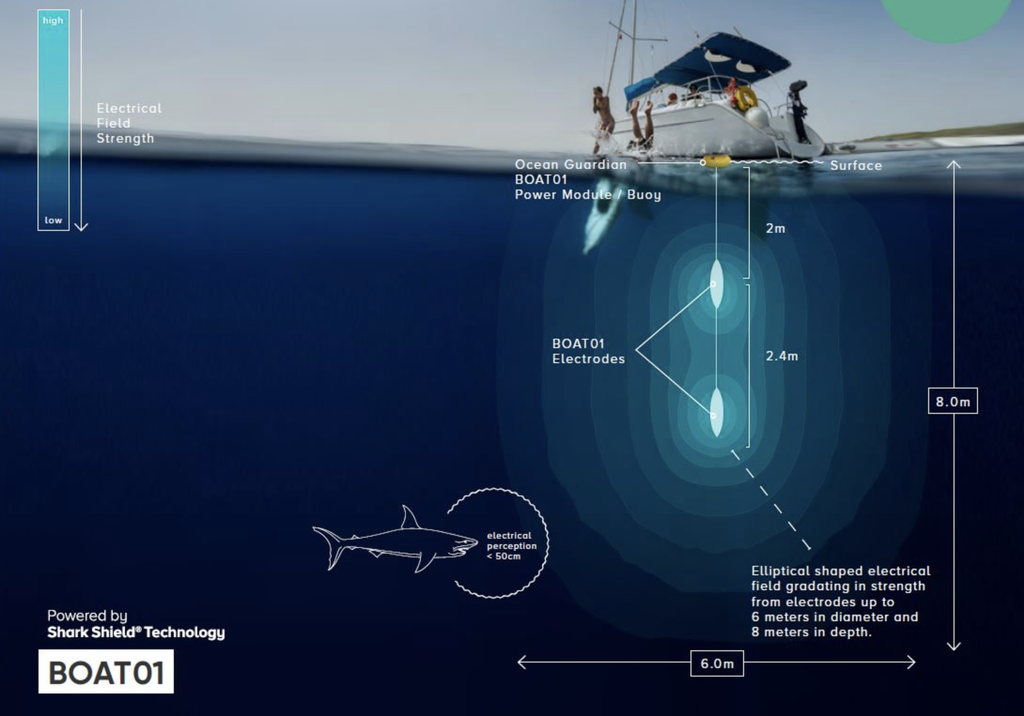
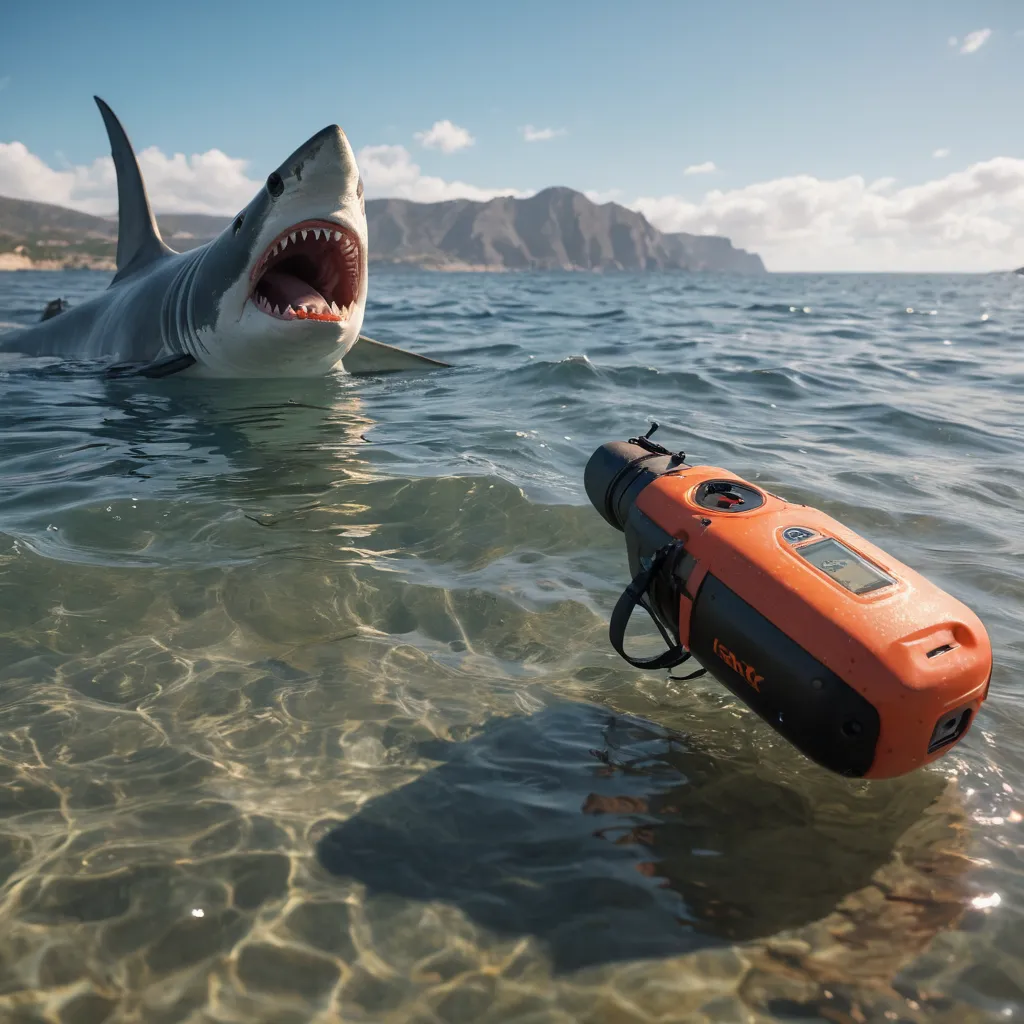
The market for shark deterrent technology has exploded in recent years, with devices like the Shark Shield (a wearable electronic deterrent), SharkSafe (a drum-style repellent), and SharkSpotter (a drone-based surveillance system) promising to reduce risks. But do they deliver?
Clinical trials and real-world data paint a mixed picture. A 2022 study published in the Journal of Marine Science and Engineering found that the Shark Shield’s electric field reduced shark encounters by 77% in controlled conditions. However, the same study noted that in open-water tests, effectiveness dropped to 40–50% due to variables like water salinity, shark species, and device placement.
“The technology works best in shallow, calm waters,” explains Prof. Christopher Neff, a shark behavior expert at the University of Queensland. “In rough surf or deeper waters, the signals can degrade, and sharks may still approach out of curiosity.”
Other devices face even greater skepticism. The SharkSafe drum, which emits a pulsing magnetic field, has been criticized for its lack of peer-reviewed studies. A 2021 report by the Australian Marine Conservation Society concluded that “while drums may deter some species, they offer no guarantee against larger predators like great whites.”
Government agencies are equally divided. The New South Wales Department of Primary Industries states that “no deterrent is 100% effective,” while Queensland’s Shark Control Program (which uses baited drumlines to catch and release sharks) has seen a 50% reduction in attacks in high-risk areas since 2015. Yet critics argue that drumlines harm non-target species and fail to address the root cause: sharks entering populated waters.
Consumer warnings:
- No device is FDA- or TGA-approved for shark deterrence.
- Manufacturers typically disclaim that devices “may reduce” (not eliminate) risk.
- Some insurers refuse to cover claims if deterrents are not used—though their effectiveness is unproven.
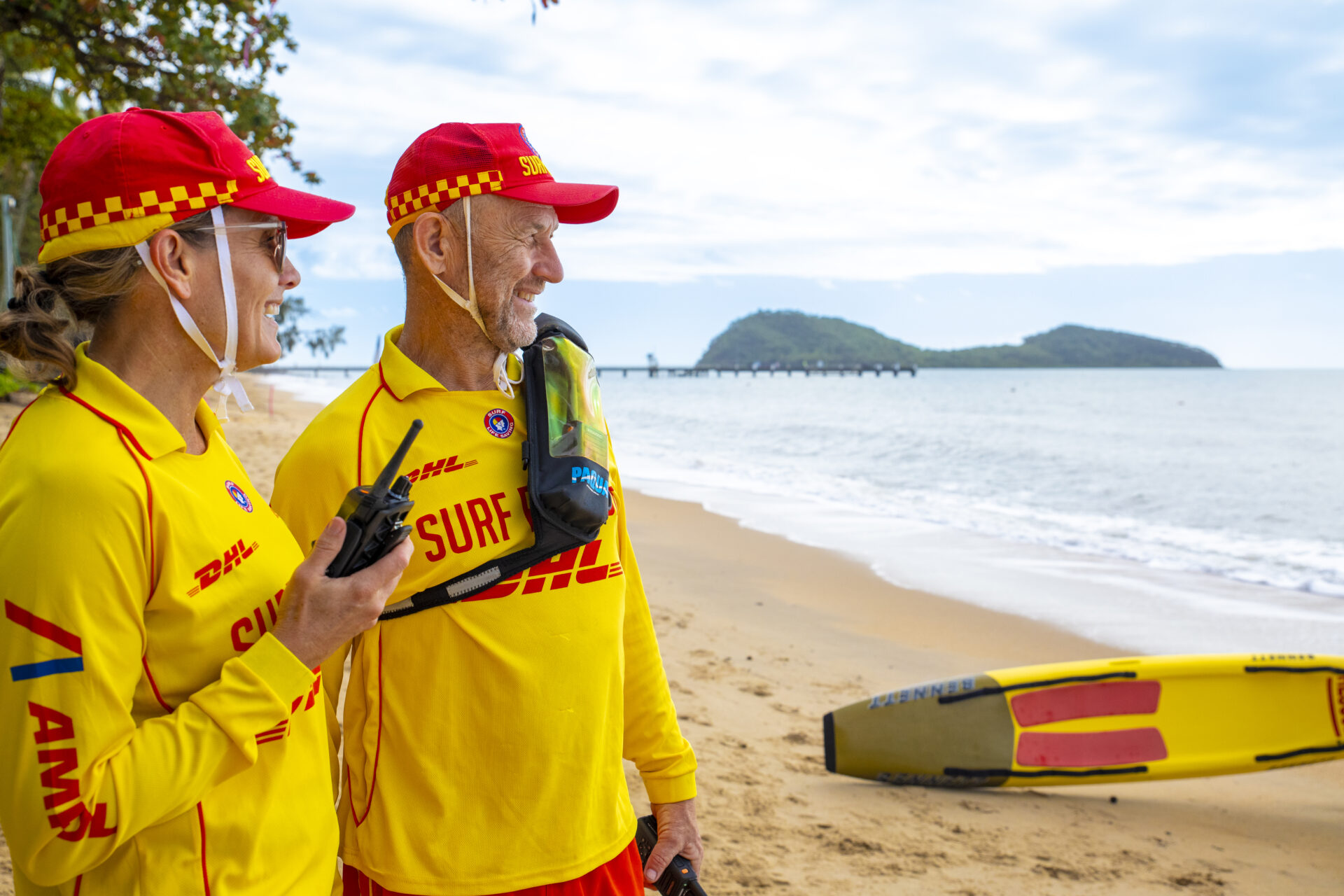
For now, the most reliable advice remains avoidance. “If you see baitfish, seals, or murky water, exit the water immediately,” advises the Surf Life Saving Australia. “Technology can help, but it’s not a substitute for common sense.”
—
What are the most effective shark safety measures?
While electronic deterrents generate headlines, traditional safety measures remain the most effective at reducing risks. Experts and lifeguard organizations emphasize a layered approach:
| Method | Effectiveness | Limitations |
|---|---|---|
| Beach patrols & lifeguards | High (reduces attacks by up to 80% in patrolled areas) | Dependent on funding and staffing |
| Shark-spotting drones | Moderate (used in NSW since 2018, detected 12 sharks in 2023) | Limited range; sharks may not be visible at surface |
| Baited drumlines (NSW/QLD) | High in targeted areas (QLD saw 50% drop post-program) | Ethical concerns; may not deter all species |
| Wearable deterrents (Shark Shield) | Low to moderate (40–77% in trials) | Battery life; mixed real-world results |
| Avoidance (no swimming at dawn/dusk) | Very high (sharks hunt most actively then) | Limits recreational use of beaches |
Surf Life Saving Australia’s SharkSmart program, active since 2005, has reduced fatalities by 60% in patrolled areas through a combination of:
- Real-time alerts: Apps like SharkSmart and SharkWatch notify users of shark sightings.
- Behavioral cues: Training lifeguards to recognize shark activity (e.g., sudden bird flights, choppy water).
- Swim restrictions: Temporary closures during high-risk periods (e.g., after seal sightings).
Dr. Lisa Natoli, a marine conservationist at James Cook University, warns that “no single solution will eliminate the risk. The best approach is combining technology, education, and adaptive management.”
—
How are communities and governments responding?
The psychological and economic toll of shark attacks extends far beyond individual tragedies. Coastal towns often see tourism declines, while families of victims face lifelong trauma. In response, governments and communities are implementing a range of strategies:
- New South Wales: Expanded drone surveillance to 10 high-risk beaches, with plans to integrate AI shark detection by 2025.
- Queensland: Continues its controversial drumline program, despite calls to phase it out for ethical reasons.
- Western Australia: Invested A$10 million in shark research, including studies on shark movement patterns.
- Local initiatives: Some councils, like Byron Shire, have installed underwater speakers emitting dolphin-like clicks to deter sharks.
Yet public opinion remains divided. A 2023 poll by Essential Research found that 62% of Australians support stricter shark control measures, while 38% oppose them on ethical grounds. The debate has intensified after high-profile incidents, such as the 2022 attack near Ballina, which led to a temporary ban on swimming in the area.
Economically, the impact is measurable. A 2021 study by Tourism Research Australia estimated that shark-related beach closures cost the NSW economy A$120 million annually in lost revenue. Meanwhile, insurance premiums for waterfront properties have risen by up to 40% in high-risk zones.
What’s next? The federal government has pledged A$5 million for shark research, with a focus on non-lethal deterrents. However, experts caution that breakthroughs may take years. In the interim, communities are turning to grassroots solutions, such as:
- Citizen science programs where locals report shark sightings via apps.
- Partnerships with Indigenous rangers to monitor traditional fishing grounds, where shark activity is historically tracked.
- Public awareness campaigns emphasizing “shark-safe” swimming practices.
—
Common myths about shark attacks—and why they’re dangerous
Misconceptions about shark behavior often lead to risky decisions. Here are three persistent myths—and the facts that debunk them:
- Myth: Sharks only attack when hungry.
Reality: Most attacks are exploratory. According to the ISAF, only 20% of unprovoked attacks involve feeding. Curiosity, territorial behavior, or mistaken identity (e.g., a surfer’s board resembling a seal) are more common triggers. - Myth: Wearing shiny jewelry or silver wetsuits repels sharks.
Reality: No evidence supports this. A 2020 study in Marine Biology found that sharks cannot see UV or polarized light reflected by metals. “It’s a myth that persists because it’s easy to test—but it’s not effective,” says marine biologist Dr. Rory McAuley. - Myth: Sharks always swim in circles before attacking.
Reality: This is a Hollywood trope. In reality, sharks often approach directly or in a straight line. The “circle” behavior is rare and more likely seen in provoked attacks (e.g., when a shark is injured).
Another dangerous assumption is that electronic deterrents are foolproof. “People assume if they buy a Shark Shield, they’re invincible,” warns surf instructor Mark Thompson, who lost a leg in a 2019 attack near Byron Bay. “But sharks are unpredictable. The best defense is knowing the water and respecting its dangers.”
—
What should you do if you encounter a shark?
Panicking increases risk. Experts recommend these steps:
- Stay calm and assess the situation. Most sharks investigate but do not attack.
- Exit the water slowly without splashing. Avoid thrashing, which can attract attention.
- If attacked:
- Punch the shark’s eyes, gills, or nose—these are sensitive areas.
- Avoid kicking, as it may provoke a stronger response.
- If possible, form a group and move toward shore together.
- After an encounter: Seek medical attention immediately, even for minor bites. Shark wounds can lead to severe infections.
Surf Life Saving Australia’s Shark Attack Response Plan emphasizes that “the vast majority of shark encounters end without injury.” However, preparation is key. “If you’re surfing or swimming in high-risk areas, have an exit strategy,” advises Thompson. “Know where the shallowest path to shore is before you enter the water.”
—
FAQ: Key questions about shark safety in Australia
Are shark attacks increasing in Australia?
Not significantly. While high-profile incidents make headlines, the overall trend remains stable. The ISAF reports that global shark attacks have not risen in the past decade, though Australia’s share has remained consistent due to its high baseline risk.
Can I swim safely in Australia with a deterrent?
No device is guaranteed to prevent an attack. The Shark Shield, for example, has a 77% effectiveness rate in trials, but real-world conditions vary. Always combine deterrents with avoidance strategies.
Are certain beaches safer than others?
Yes. Beaches with strong lifeguard patrols, shark-spotting drones, or recent drumline activity (e.g., Gold Coast’s Surfers Paradise) have lower attack rates. Check local alerts via the SharkSmart app before swimming.
Do sharks target surfers more than swimmers?
Surfers are at higher risk because they resemble seals (a primary shark prey) and often enter deeper waters. However, swimmers are also vulnerable, particularly near river mouths where baitfish gather.
What’s the most effective way to deter sharks?
The Australian Marine Conservation Society recommends reducing seal populations (which attract sharks) and improving beach management. Electronic deterrents are a secondary measure.
Can climate change make shark attacks worse?
Yes. Warmer waters expand shark habitats, and rising sea levels may push species into new coastal areas. A 2023 study in Nature Climate Change predicted a 30% increase in shark-human interactions by 2050 if current trends continue.
—
The ocean remains a vital part of Australian life—economically, culturally, and recreationally. Yet the reality of shared waters with apex predators demands vigilance. While technology and research offer hope, the most reliable protection lies in education, preparedness, and respect for the natural world. For now, the balance between risk and reward remains a delicate one, with every swimmer, surfer, and coastal resident playing a role in finding it.
For further reading, explore our guide to sustainable shark management or the latest updates on global beach safety initiatives.
