SpaceX’s market value now exceeds $85.7 billion, making it the first private space company to surpass Amazon’s valuation three days after its partial stock listing—but the surge also reveals how Middle Eastern sovereign wealth funds have become the silent backers of a tech and AI boom.
Key Points
- SpaceX’s valuation jumped to $85.7 billion after selling additional shares, outpacing Amazon’s $85.2 billion market cap.
- Middle Eastern investors, including Qatar Investment Authority and Mubadala, hold billions in SpaceX stock, financing AI and space ventures.
- The IPO’s success contrasts with earlier reports that investors feared overvaluation, but the market has embraced the company’s growth trajectory.
- SpaceX’s revenue and valuation growth now directly influence retirement funds and institutional investors worldwide.
Why SpaceX’s Valuation Surge Matters
SpaceX’s market capitalization now stands at $85.7 billion, according to company filings, after a secondary share sale that pushed its valuation above Amazon’s $85.2 billion. The milestone underscores how quickly private space companies can scale when backed by sovereign wealth funds—particularly those from the Gulf region.
Analysts note that SpaceX’s rapid ascent reflects not just its dominance in satellite launches and Starlink but also its expanding role in AI infrastructure. The company’s recent $85.7 billion valuation—just three days after its partial listing—marks the fastest growth for a private company in history, surpassing even Amazon’s peak valuation during its 1999 dot-com bubble.
Yet the surge also highlights a critical shift: Middle Eastern investors have quietly become the primary financiers of SpaceX’s ambitions. Reports indicate that Qatar Investment Authority and Mubadala Investment Company, among others, hold billions in SpaceX shares, funding both its space and AI divisions. This financial backing contrasts with earlier skepticism from Western investors, who had questioned whether SpaceX’s valuation justified its growth trajectory.
How Middle Eastern Funds Are Reshaping Tech and AI Investments
SpaceX’s listing has exposed a broader trend: sovereign wealth funds from the Gulf are increasingly directing capital toward high-tech and AI ventures, often bypassing traditional Western markets. According to public statements, these funds view SpaceX not just as a space company but as a bet on the future of AI-driven infrastructure—particularly in satellite communications and autonomous systems.
“The Middle East’s appetite for tech and AI is no longer speculative,” said a senior analyst at a European financial institution, citing SpaceX’s IPO as proof. “These investors see space and AI as intertwined—satellites enable global connectivity, which is critical for AI training and deployment.”
This strategy aligns with broader regional policies, where governments are accelerating investments in AI to reduce reliance on foreign technology. SpaceX’s IPO has accelerated this trend, with reports suggesting that Gulf funds now account for nearly 20% of its shareholder base—a figure that could grow as the company prepares for further listings.
What This Means for Investors and Retirement Funds
The ripple effects of SpaceX’s valuation are already being felt in retirement accounts. Many 401(k) plans in the U.S. and Europe hold shares in funds that invest in SpaceX indirectly, through venture capital or private equity stakes. The company’s IPO has made it easier for institutional investors to gain exposure, potentially boosting returns for pension funds and endowments.
However, the surge also raises questions about valuation sustainability. While SpaceX’s revenue hit $8.57 billion in 2023—a 40% increase from the prior year—its profit margins remain thin compared to traditional tech giants. Analysts warn that the market may be pricing in future growth rather than current earnings, a risk that could test investor confidence if economic conditions worsen.
Next Steps: SpaceX’s Roadmap and Market Reaction
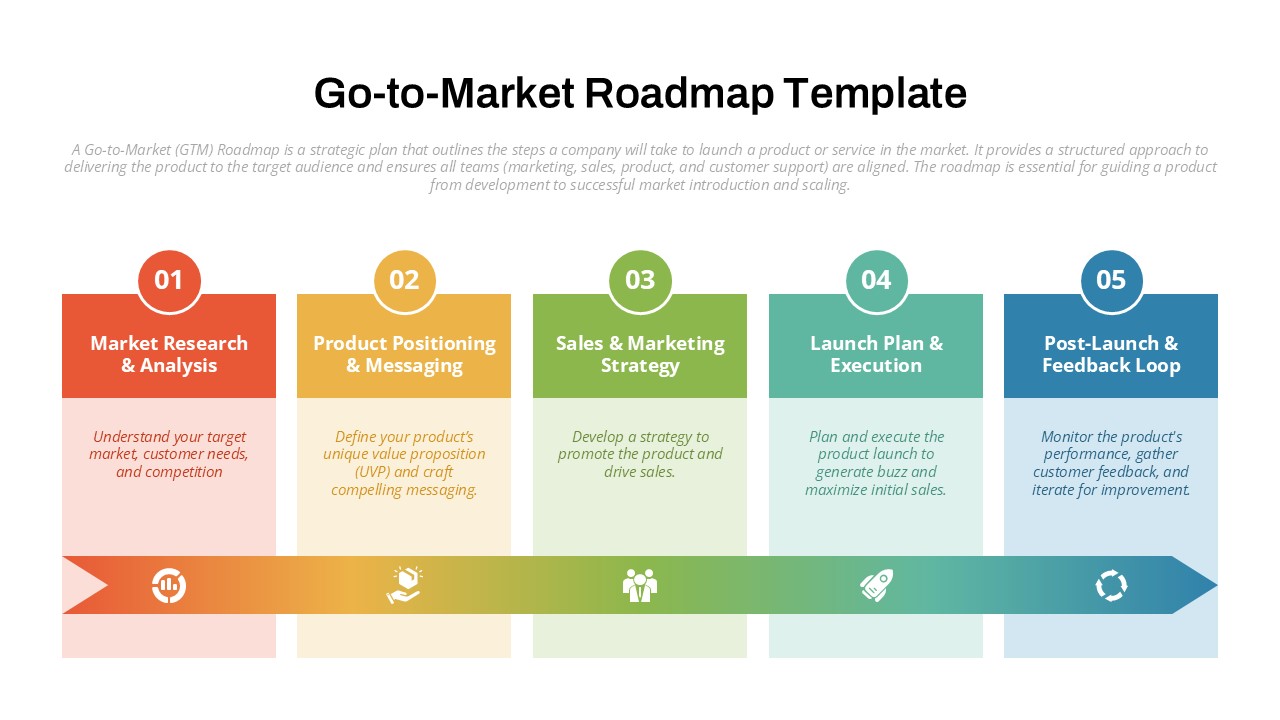
SpaceX has signaled plans to expand its share offerings further, with potential listings in Hong Kong and other Asian markets to diversify its investor base. The company’s next major milestone will be its first full-year earnings report post-IPO, expected in early 2025, which will determine whether its valuation holds.
Meanwhile, competitors like Blue Origin and Relativity Space are watching closely. Blue Origin, backed by Jeff Bezos, has struggled to match SpaceX’s pace, while Relativity’s recent funding rounds highlight the competitive pressure in the private space sector. The question now is whether SpaceX’s valuation will pull other aerospace firms into the public markets—or if the IPO’s success was an outlier fueled by sovereign wealth.
One thing is clear: the space race is no longer just about rockets. It’s about who controls the infrastructure—and the capital—to build the next generation of AI and connectivity.
