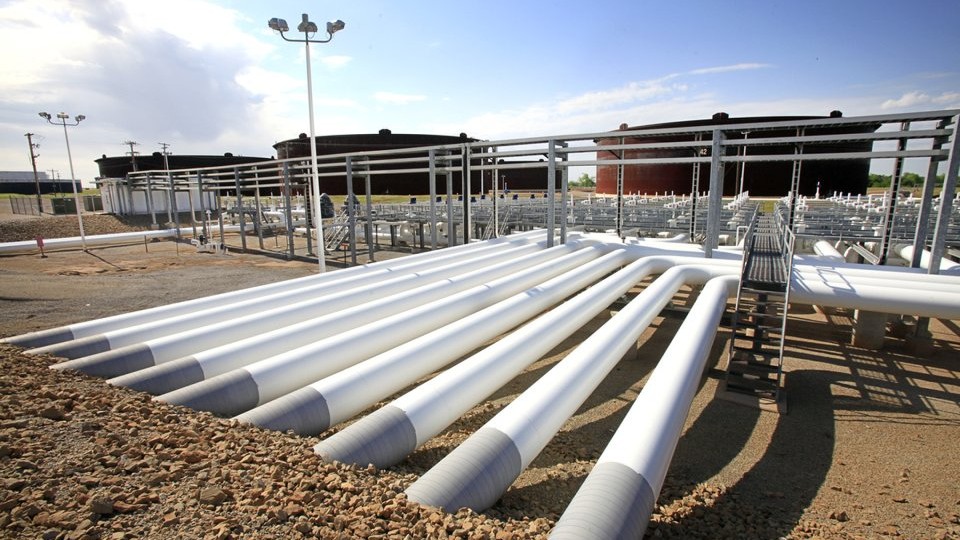
US Crude Oil Inventories Drop Sharply: 52 Million Barrels Lost in 9 Weeks Amid Rising Prices
U.S. crude oil inventories have declined for the ninth consecutive week, with a total reduction of 52 million barrels over the past nine weeks, according to industry sources. This sustained drawdown has contributed to a rise in crude oil prices, as market participants assess the implications of shrinking stockpiles on global energy markets.
What Happened: A Steady Decline in Crude Oil Supplies
The latest data reveals that U.S. crude oil inventories fell by 3.2 million barrels in the most recent week, continuing a downward trend that began in mid-June. Over the past nine weeks, total inventories have dropped by 52 million barrels, a figure that underscores the ongoing balance between supply and demand in the energy sector.
This decline follows a period of increased refinery activity and higher exports, which have all contributed to the depletion of stored crude. According to the Energy Information Administration (EIA), U.S. refineries operated at 89% of capacity during the week of August 11, up from 87% the previous week. Higher utilization rates mean more crude is being processed into gasoline and diesel, reducing the amount held in storage.
Exports have also played a role in the inventory drawdown. The U.S. has maintained a steady flow of crude oil to international markets, particularly to Asia and Europe, where demand remains robust. Data from the EIA shows that weekly crude exports averaged 3.8 million barrels per day in July, a level not seen since 2019.
Key Players and Market Dynamics
The drawdown in crude oil inventories affects a wide range of stakeholders, from producers and refiners to consumers and policymakers. Major oil companies such as ExxonMobil, Chevron, and Shell have all reported increased production in recent months, but the pace of output has not kept up with the rate of inventory depletion.
Producers in the Permian Basin, the heart of U.S. oil production, have faced challenges in maintaining output due to infrastructure constraints and regulatory hurdles. Despite these issues, production levels have remained stable, with the EIA estimating that U.S. crude output averaged 12.1 million barrels per day in the week of August 11.
On the demand side, the transportation sector has seen a rebound in activity as economic recovery efforts gain momentum. The American Automobile Association (AAA) reported that average gasoline prices reached $3.62 per gallon in early August, a 15% increase from the previous month. Higher fuel prices have prompted some consumers to reduce travel, but the overall demand for petroleum products remains strong.
Why This Matters: Implications for Prices and the Economy
The sustained decline in crude oil inventories has created a tighter market, which has been reflected in the price of oil. Brent crude, the global benchmark, rose to $87 per barrel in late July, while West Texas Intermediate (WTI), the U.S. benchmark, reached $82 per barrel. These levels represent a 20% increase from the start of the year, according to data from the EIA.
Analysts at Goldman Sachs have noted that the inventory drawdown is a key factor in the recent price surge. “The combination of strong demand and reduced supply is putting upward pressure on prices,” said a spokesperson for the firm. “We expect this trend to continue unless there is a significant increase in production or a major shift in global demand.”
However, the impact of higher oil prices extends beyond the energy sector. Increased costs for gasoline and diesel could lead to higher transportation expenses, which may be passed on to consumers in the form of higher prices for goods and services. The Federal Reserve has also been monitoring the situation, as rising energy costs could contribute to inflationary pressures.
Market Reactions and Expert Perspectives
Traders and analysts have responded to the inventory decline with a mix of caution and optimism. While some see the drawdown as a sign of a strong market, others are concerned about the potential for supply disruptions. The International Energy Agency (IEA) has warned that global oil markets remain vulnerable to shocks, particularly in light of geopolitical tensions in the Middle East and the ongoing energy transition.

“The inventory trend is a positive signal for the market, but it’s important to remember that supply and demand can shift quickly,” said a spokesperson for the IEA. “We are closely monitoring the situation and will provide updates as needed.”
At the same time, some industry experts have raised concerns about the long-term sustainability of the current inventory levels. “While the drawdown is significant, it’s not necessarily a cause for alarm,” said a senior analyst at Morgan Stanley. “However, if the trend continues, it could lead to tighter supplies and further price increases, which would have broader economic implications.”
Historical Context and Comparisons
The current inventory decline is not without precedent. In 2020, U.S. crude oil inventories fell to historic lows as the pandemic led to a sharp drop in demand. However, the current situation is different in several key ways. Unlike the 2020 crisis, which was driven by a sudden and severe demand shock, the current drawdown is the result of a gradual but sustained increase in consumption and exports.
Comparing the two periods, the EIA has noted that the current inventory levels are still well above those seen in 2020. As of August 11, U.S. crude oil inventories stood at 425 million barrels, compared to a low of 343 million barrels in April 2020. This suggests that the market is not in a state of emergency, but it also highlights the importance of monitoring supply and demand dynamics.
Another point of comparison is the 2014-20
