Sydney’s Unexpected Hero: How a Music Student Saved a La La Land Concert by Stepping on Stage at the Last Minute
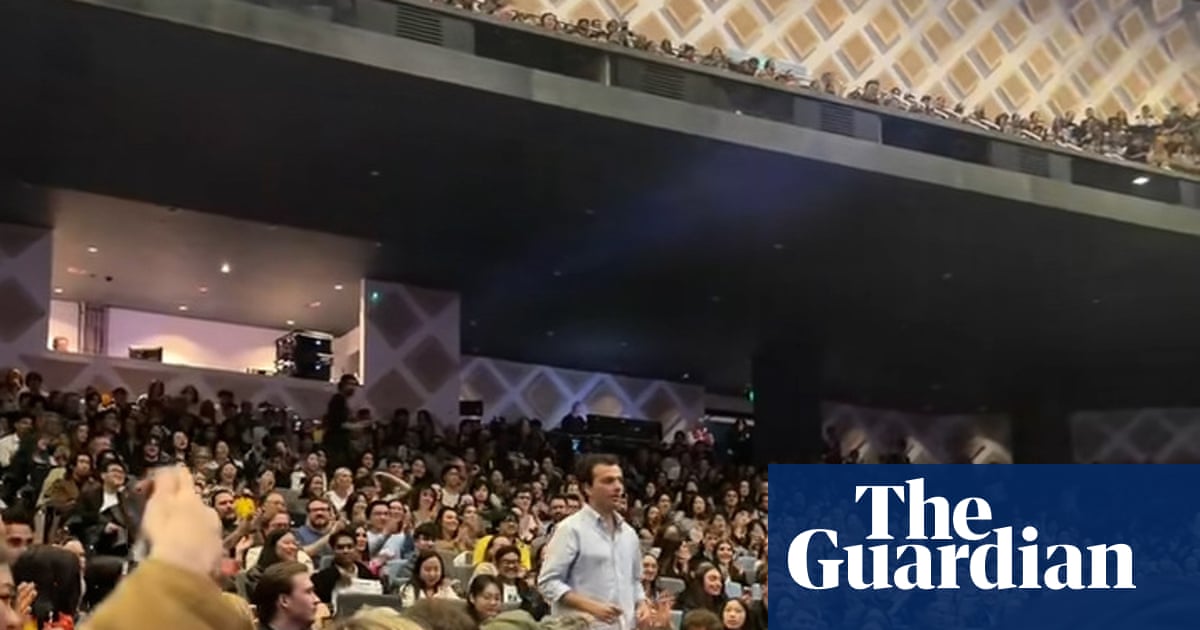
A Sydney music student’s spontaneous act of generosity became a viral moment of serendipity last week when he stepped onto the stage at Darling Harbour Theatre to replace a pianist who fell ill during a sold-out performance of La La Land In Concert. The impromptu performance, captured live by stunned audience members, has since sparked conversations about the power of community, the challenges of live entertainment, and the enduring magic of musical improvisation.
What began as an unplanned interruption turned into a heartwarming testament to the resilience of both performers and audiences. The incident, which unfolded during a high-profile concert featuring the original score by Oscar-winning composer Justin Hurwitz, has resonated far beyond the theatre’s walls, highlighting the delicate balance between preparation and spontaneity in live performances—and the extraordinary moments that can emerge when both come together.
—
The Moment That Changed Everything
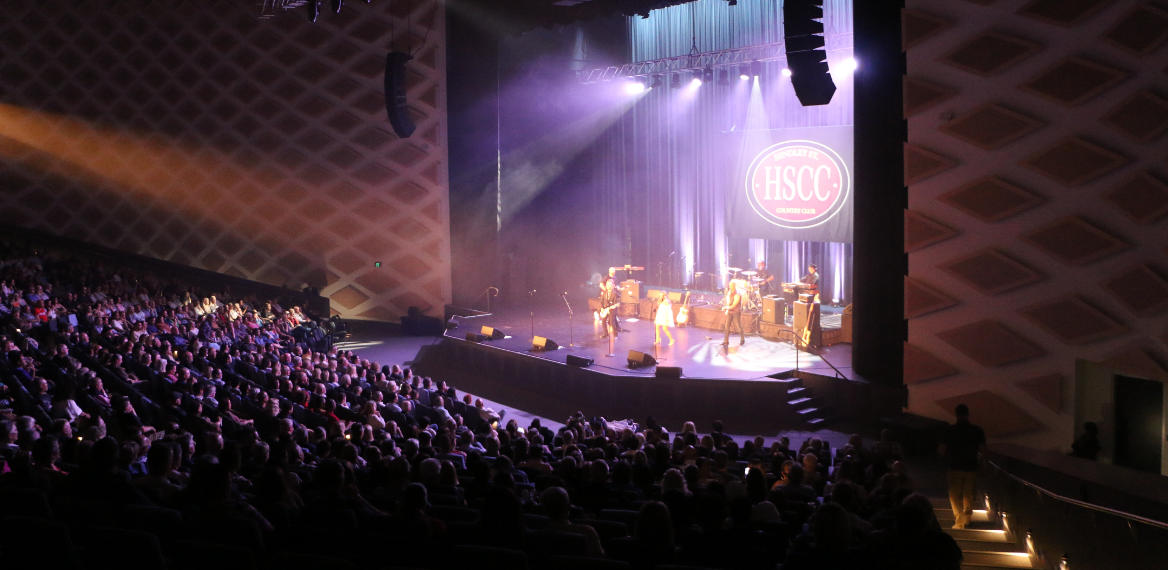
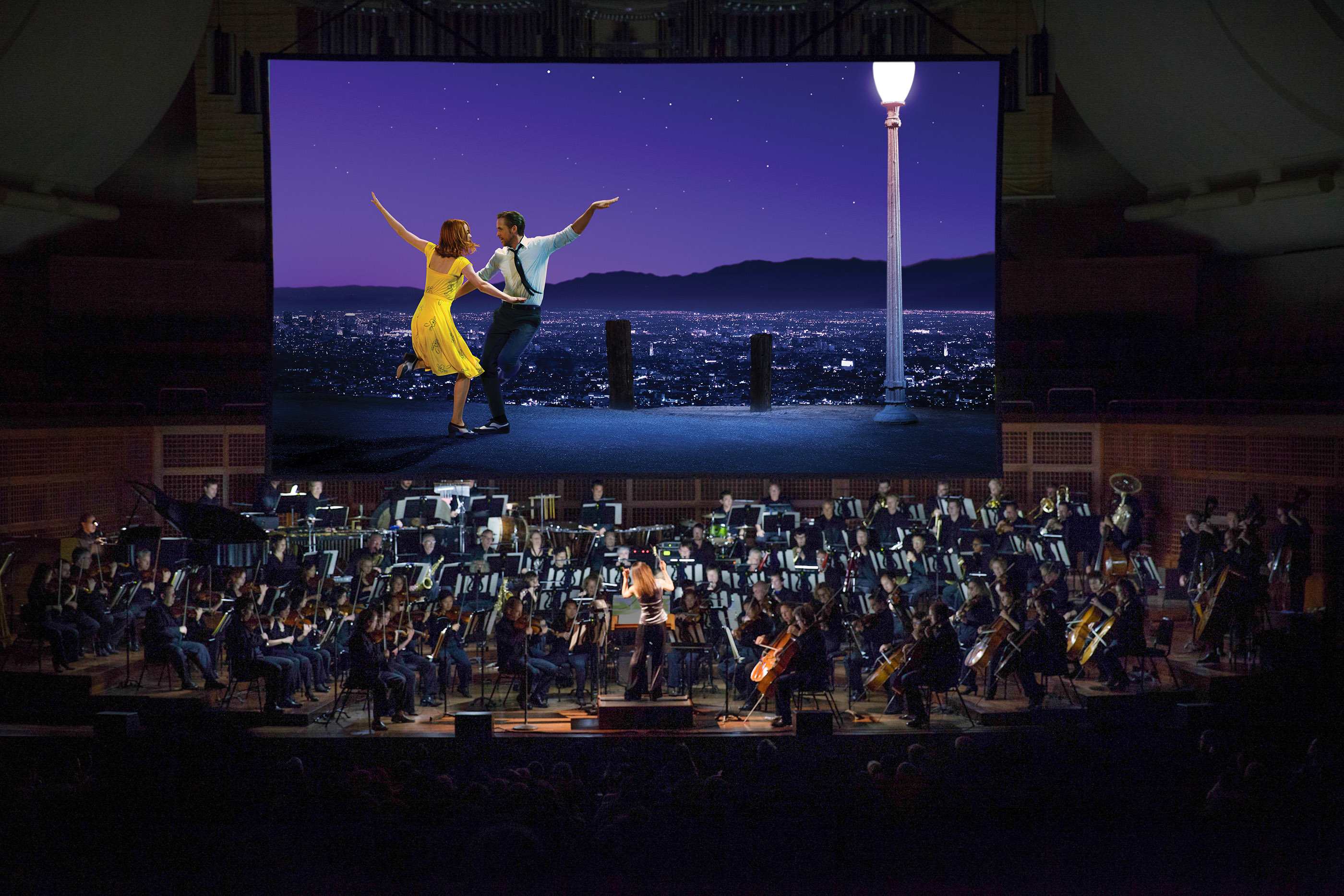
On a crisp evening in late May, Darling Harbour Theatre was packed with fans eager to experience the immersive La La Land In Concert production, a lavish adaptation of the 2016 Academy Award-winning film. The show, which blends live orchestral music with cinematic projections and choreography, had been meticulously planned to deliver a seamless experience for its audience. But just minutes before the performance was set to begin, an unexpected challenge arose: the pianist scheduled to play Hurwitz’s iconic score fell ill, leaving the production team scrambling for a solution.
With time running out and no immediate replacement available, the production crew made a bold decision. As the audience settled into their seats, a microphone announcement echoed through the theatre: *“Is there a pianist in the house?”*
The question hung in the air for only a few seconds before a young man in the front row stood up. Sterling Nasa, a 22-year-old music student at the Sydney Conservatorium of Music, had spent years honing his skills at the piano. Without hesitation, he made his way to the stage, where he was quickly briefed on the night’s setlist and given a moment to adjust to the instrument. What followed was a performance so seamless that many in the audience never realized the pianist had been replaced at the last minute.
Key details of the incident:
- The concert was part of a limited-run engagement at Darling Harbour Theatre, featuring the original La La Land cast and orchestra.
- Nasa, who had no prior knowledge of the concert’s repertoire, relied on his musical intuition and familiarity with Hurwitz’s score to deliver a flawless performance.
- Videos and photos of the moment have since circulated widely, with fans praising Nasa’s composure and skill.
- The incident occurred during the first act, with Nasa performing for approximately 45 minutes before the scheduled pianist resumed.
—
Who Is Sterling Nasa, and What Led Him to the Stage?
Sterling Nasa’s sudden rise to prominence has shone a spotlight on the often-overlooked world of classical and contemporary music education in Australia. A student at the Sydney Conservatorium of Music—one of the country’s most prestigious institutions for the performing arts—Nasa had been preparing for a different kind of performance that night. He had traveled to Darling Harbour to support a friend attending the concert, unaware that his musical skills would be called into action.
When asked about the experience in subsequent interviews, Nasa described the moment as both surreal and exhilarating. *“I’ve played in front of small audiences before, but this was completely different,”* he said. *“The scale of the theatre, the energy of the crowd—it was overwhelming, but also incredibly exciting. I just tried to focus on the music and let the rest take care of itself.”*
Nasa’s background in music is rooted in both classical training and contemporary repertoire. His ability to adapt to Hurwitz’s score—known for its intricate harmonies and dynamic shifts—demonstrated not only technical skill but also a deep understanding of musical storytelling. While he had never performed Hurwitz’s work before, his familiarity with jazz and modern classical pieces allowed him to navigate the challenges with relative ease.
Notable facts about Nasa’s musical journey:
- He began piano lessons at age six and later studied at the Australian National Academy of Music.
- His primary instrument is the piano, but he is also proficient in jazz improvisation and ensemble playing.
- Nasa has performed in various student recitals and local venues but had never before played in a professional theatre setting.
- His impromptu performance has since been described by music educators as a rare example of “musical citizenship”—where an individual’s skills are spontaneously deployed for the greater solid.
Nasa’s story also raises questions about the accessibility of classical music education in Australia. While elite institutions like the Sydney Conservatorium produce world-class musicians, many aspiring pianists face financial and logistical barriers to professional training. The incident has sparked discussions about how to better support emerging musicians in unexpected but critical moments.
—
Why This Incident Matters: The Fragility and Resilience of Live Performance
The La La Land concert pianist’s illness and Nasa’s impromptu performance highlight two critical aspects of live entertainment: the vulnerability of even the most meticulously planned events, and the remarkable capacity of audiences and performers to adapt in real time.
Live performances, by their nature, are susceptible to unforeseen disruptions. Whether due to illness, technical failures, or last-minute cancellations, the ability to pivot quickly can mean the difference between a memorable experience and a catastrophic one. In this case, the production team’s decision to turn to the audience was a calculated risk that paid off—thanks in large part to Nasa’s presence and readiness.
How live performances handle unexpected challenges:
- Backup plans: Many large-scale productions maintain a roster of standby performers, but these are often specialized for specific roles (e.g., understudies for actors in musicals). A pianist filling in for another pianist is less common, particularly for a complex score like Hurwitz’s.
- Audience engagement: The call for a pianist from the audience is a rare but not unheard-of strategy. In 2019, a similar incident occurred during a Broadway performance of Hamilton, where an audience member stepped in to play piano after the scheduled musician was unable to perform.
- Musical improvisation: Nasa’s ability to adapt on the fly underscores the importance of improvisational skills in music education. Many conservatories now incorporate improvisation training to prepare students for real-world scenarios.
Beyond the immediate logistics, the incident also reflects broader trends in how audiences engage with live entertainment. In an era where digital streaming has become the norm, moments like this serve as a reminder of the unique magic of in-person performances—where spontaneity, human connection, and shared experience take center stage.
Justin Hurwitz, the composer behind La La Land, later praised Nasa’s performance, calling it *“a testament to the power of music and the generosity of strangers.”* His remarks underscored the emotional resonance of the moment, which transcended the technical details of the performance itself.
—
Reactions and Wider Implications
The story of Nasa’s impromptu performance has captured global attention, with media outlets, music critics, and social media users reflecting on its significance. Here’s how different groups have responded:
- Music educators: Many have pointed to the incident as a teaching moment about adaptability. *“This is exactly why we encourage students to think on their feet,”* said one professor at the Sydney Conservatorium. *“You can have all the technical skill in the world, but if you can’t adapt when things go wrong, you’re not truly prepared for the real world.”*
- Live performance industry: Production managers and event organizers have noted the incident as a case study in crisis management. *“It’s a reminder that sometimes the best solutions come from outside the box,”* said one industry veteran. *“Having a plan B is essential, but so is being open to unexpected help.”*
- Audiences: Fans of La La Land and live music have shared their own stories of similar moments—whether stepping in to help with set changes, offering technical assistance, or simply cheering on performers. The incident has reignited conversations about the communal aspect of live entertainment.
- Social media: Hashtags like
#PianistInTheHouseand#LaLaLandSydneyhave trended, with users sharing videos, photos, and personal anecdotes about their own experiences with spontaneous musical moments.
On a broader level, the story also touches on the role of classical music in modern society. While genres like pop and hip-hop dominate streaming charts, classical and contemporary concert music continues to thrive in niche but passionate communities. Incidents like this one help bridge the gap between the perceived elitism of classical music and its real-world relevance, showing how it can bring people together in unexpected ways.
—
What Happens Next for Sterling Nasa?
As of now, Nasa’s future in the music world remains an open question. While he has not yet been offered a professional contract as a result of the incident, his performance has opened doors to new opportunities. He has been invited to participate in masterclasses and has received inquiries from music festivals looking to feature emerging talent.
For Nasa, the experience has been both humbling and motivating. *“I never expected to be on that stage, let alone in front of thousands of people,”* he said. *“But it’s made me realize that sometimes the best things in life happen when you’re not planning for them.”*
Industry insiders suggest that Nasa’s profile could lead to collaborations with other productions, particularly those that value improvisational skill and adaptability. Whether he pursues a career in classical music, jazz, or another genre, his moment in the spotlight serves as a reminder that talent—when paired with opportunity—can create unforgettable moments.
—
Frequently Asked Questions About the Incident
How common is it for audience members to step in during live performances?
While rare, it does happen—particularly in smaller venues or during community events. Larger productions like Broadway shows or symphony orchestras typically have understudies or backup performers, but the La La Land incident is a notable example of turning to the audience when no immediate alternative exists.
Did the audience know the pianist was replaced?
Most audience members were unaware until after the performance, when social media posts and interviews revealed the full story. The seamless transition was a testament to Nasa’s skill and the production team’s quick thinking.
Has Justin Hurwitz ever commented on the incident?
Yes. Hurwitz publicly praised Nasa’s performance, calling it *“a beautiful example of how music connects us all.”* His remarks highlighted the emotional impact of the moment beyond the technical execution.
Could this happen again at a major concert?
It’s possible, though unlikely without a similar call for volunteers. Many large-scale productions now include contingency plans for such scenarios, but the spontaneity of Nasa’s intervention makes it a unique story.
What advice would music educators give to aspiring pianists based on this incident?
Educators emphasize the importance of improvisation, adaptability, and confidence. *“You can spend years perfecting a piece, but the real test is how you handle the unexpected,”* said one instructor. *“Nasa’s success came from his training, his instincts, and his willingness to step up.”*
Has Nasa received any offers to perform professionally since the incident?
While no formal contracts have been announced, Nasa has been invited to participate in workshops, festivals, and potential collaborations. His profile has significantly increased, and industry watchers believe this could lead to further opportunities.
—
The story of Sterling Nasa’s impromptu performance at the La La Land In Concert show is more than just a feel-good tale—it’s a snapshot of the unpredictable yet beautiful nature of live entertainment. In a world where spontaneity is often overshadowed by meticulous planning, Nasa’s moment on stage serves as a reminder that sometimes the most extraordinary experiences happen when we least expect them.
As for the future of live music, this incident suggests that the bond between performers and audiences remains as vital as ever. Whether through planned performances or unexpected interventions, the magic of music continues to bring people together in ways that no digital experience can replicate.
