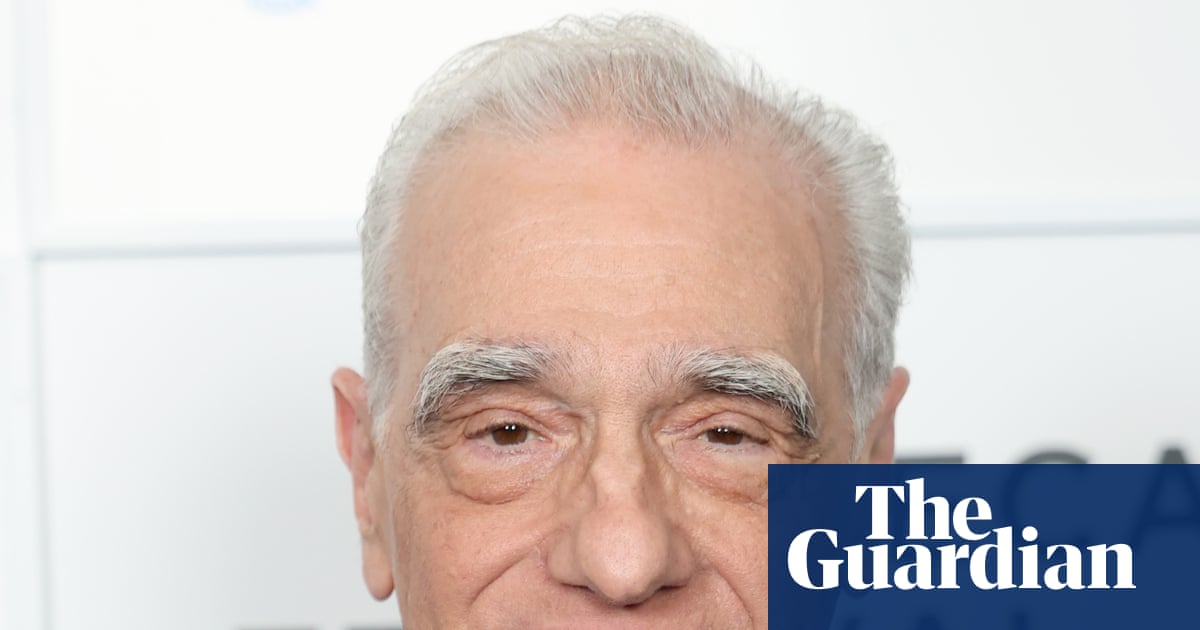
Martin Scorsese Faces Backlash Over AI Storyboard Controversy
Martin Scorsese, the acclaimed filmmaker known for his cinematic masterpieces, has found himself at the center of a heated debate after reportedly endorsing the use of artificial intelligence (AI) in the filmmaking process. The controversy centers on claims that AI-generated storyboards could undermine traditional artistic collaboration, sparking fierce reactions from industry professionals and creative communities. As the film industry grapples with the rapid integration of AI, Scorsese’s involvement has intensified the discussion about the role of technology in artistic expression.
The Controversy Unfolds
The latest developments emerged after reports suggested that Scorsese has been exploring AI tools to streamline the storyboarding phase of film production. Storyboarding, a critical step in visualizing a film’s narrative and composition, has traditionally relied on the creative input of artists, directors and storyboard artists. Critics argue that replacing this process with AI-generated visuals risks eroding the human element that defines cinematic storytelling.
While Scorsese has not publicly addressed the allegations, industry insiders indicate that his involvement with AI-driven tools has raised concerns about the potential marginalization of artists. The phrase “throwing artists under the bus” has been used to describe fears that reliance on AI could devalue the contributions of human creatives, particularly in roles that require nuanced artistic judgment and emotional depth.
Who Is Involved?
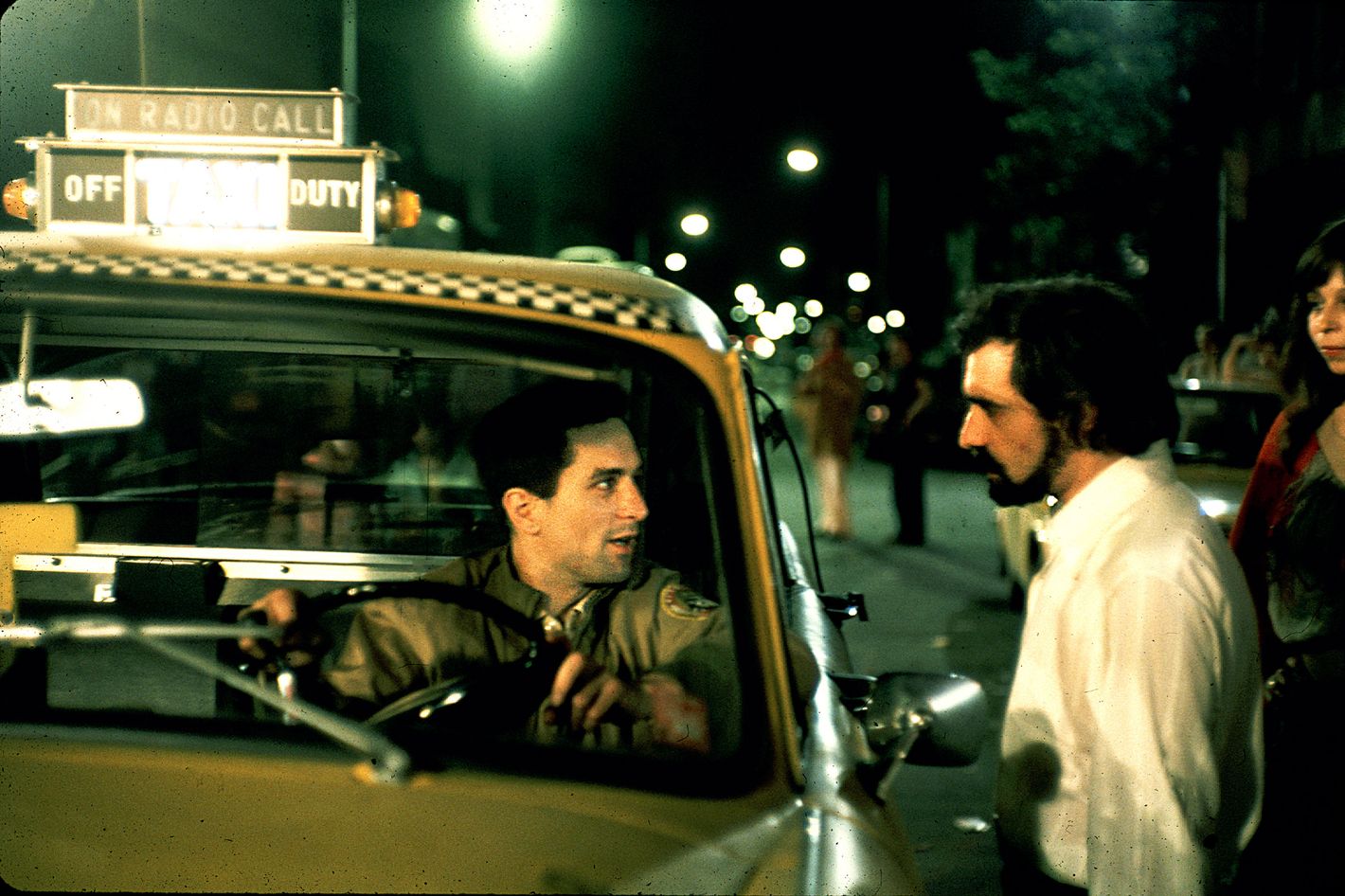
At the heart of the controversy is Martin Scorsese, a director whose career spans over five decades and includes iconic films such as *Taxi Driver*, *Raging Bull*, and *The Departed*. His work has consistently emphasized the importance of collaboration between directors, writers, and visual artists. However, recent reports suggest that Scorsese has been experimenting with AI platforms to generate preliminary visual concepts for his projects, a move that has divided the industry.
Supporters of Scorsese argue that AI tools are merely a creative aid, not a replacement for human ingenuity. They point to the potential for AI to reduce the time and cost associated with traditional storyboarding, allowing filmmakers to focus on other aspects of production. Critics, however, warn that such tools could lead to a homogenization of visual styles, as AI algorithms may prioritize efficiency over artistic originality.
Context and Implications
The debate over AI in filmmaking reflects broader tensions in the creative industries. As AI technologies advance, they are increasingly integrated into tasks ranging from scriptwriting to post-production. While some see these tools as a means of democratizing access to filmmaking, others fear they could displace skilled workers and dilute the cultural value of human-created art.
Scorsese’s involvement adds a layer of complexity to the discussion. His reputation as a defender of cinematic artistry has made his alignment with AI tools particularly contentious. Some observers suggest that his support for AI could signal a shift in the industry’s approach to technology, while others view it as a strategic move to stay ahead of emerging trends.
Reactions and Expert Perspectives
The backlash against Scorsese has been swift and vocal, with many artists and industry professionals expressing their concerns. A coalition of storyboard artists and visual designers has criticized the use of AI in creative workflows, arguing that it undermines the collaborative nature of filmmaking. “AI cannot replicate the intuition and emotion that human artists bring to their work,” one studio veteran said. “We risk losing the soul of storytelling if we prioritize speed over artistry.”
some industry analysts defend Scorsese’s approach, emphasizing the potential benefits of AI in reducing repetitive tasks. “Tools like AI storyboards could free up artists to focus on more complex creative challenges,” said a film production expert. “The key is to use technology as a supplement, not a substitute, for human talent.”
Despite these differing viewpoints, the controversy has sparked a wider conversation about the ethical implications of AI in creative fields. Organizations such as the International Federation of Film Producers Associations have called for guidelines to ensure that AI is used responsibly, balancing innovation with the protection of artistic rights.
What’s Next for the Film Industry?
The debate over AI in filmmaking is unlikely to subside anytime soon. As technology continues to evolve, the industry will need to navigate the intersection of innovation, and tradition. For directors like Scorsese, the challenge will be to harness AI’s capabilities without compromising the integrity of their craft.
Looking ahead, the controversy may lead to increased scrutiny of AI’s role in creative processes. Filmmakers, studios, and unions could collaborate to establish frameworks that prioritize human creativity while embracing technological advancements. The outcome of this dialogue will shape the future of storytelling in the digital age.
Key Takeaways
- Martin Scorsese’s reported use of AI for storyboarding has sparked backlash from artists and industry professionals.
- Critics argue that AI could devalue traditional creative roles, while supporters view it as a tool for efficiency.
- The debate highlights broader concerns about the impact of AI on artistic collaboration and originality.
- Industry stakeholders are calling for guidelines to ensure AI is used responsibly in creative workflows.
- The controversy underscores the need for a balanced approach that respects both innovation and human artistry.
Frequently Asked Questions
What is AI storyboarding, and how does it work?
AI storyboarding involves using artificial intelligence to generate visual representations of a
