Secretary-General of ASEAN meets with the Parliamentary State Secretary to the Federal Minister of Defence of the Federal Republic of Germany – ASEAN Main Portal: Strengthening Strategic Security Ties
In a significant move to bolster inter-regional security and diplomatic cooperation, the Secretary-General of ASEAN meets with the Parliamentary State Secretary to the Federal Minister of Defence of the Federal Republic of Germany – ASEAN Main Portal, marking a pivotal moment in the evolving relationship between Southeast Asia and Europe’s largest economy. This high-level engagement comes at a time when the geopolitical landscape of the Indo-Pacific is undergoing rapid transformation, necessitating a more robust and coordinated approach to maritime security, regional stability, and the maintenance of a rules-based international order.
The meeting serves as more than a routine diplomatic exchange; It’s a strategic signal that Germany is deepening its commitment to the Indo-Pacific region. By engaging directly with the ASEAN Secretariat, Germany is acknowledging the central role that the Association of Southeast Asian Nations (ASEAN) plays in managing the complex security dynamics of the region. For ASEAN, the dialogue represents an opportunity to diversify its security partnerships and leverage German expertise in defense technology, crisis management, and strategic planning.
The Core Objectives of the Diplomatic Engagement
The primary focus of the discussions centered on the alignment of security interests between the Federal Republic of Germany and the ASEAN member states. As the global center of gravity shifts toward Asia, Germany has recognized that its economic prosperity is inextricably linked to the stability and openness of the Indo-Pacific. The dialogue aimed to bridge the gap between European security frameworks and the specific needs of Southeast Asian nations.
Key priorities discussed during the meeting include:
- Enhancing Maritime Domain Awareness: Improving the ability of ASEAN nations to monitor their territorial waters and combat illegal, unreported, and unregulated (IUU) fishing.
- Cybersecurity Cooperation: Addressing the rising threat of state-sponsored cyberattacks and improving the resilience of critical national infrastructure across the region.
- Defense Capacity Building: Exploring avenues for technical cooperation and training to help ASEAN members modernize their defense capabilities without triggering a regional arms race.
- Crisis Response and Humanitarian Aid: Strengthening the mechanisms for rapid deployment of aid and disaster relief in the wake of natural catastrophes, a frequent challenge for the region.
“The synergy between ASEAN’s regional leadership and Germany’s strategic defense capabilities creates a blueprint for a more stable and predictable Indo-Pacific architecture, grounded in mutual respect and international law.”
Analyzing Germany’s “Zeitenwende” and Its Impact on Asia
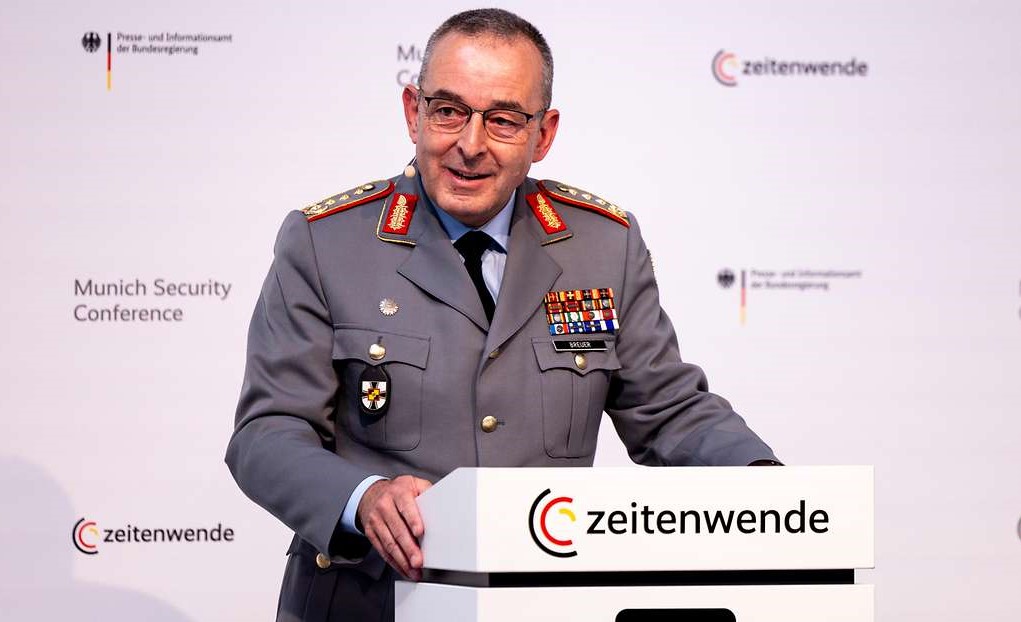
To understand the significance of the Secretary-General of ASEAN meeting with the German Parliamentary State Secretary, one must look at the broader context of Germany’s Zeitenwende—the “historic turning point” in German foreign and defense policy. Following the geopolitical shocks of recent years, particularly the conflict in Ukraine, Germany has fundamentally shifted its approach to defense, increasing spending and adopting a more proactive stance in global security.
This shift is not limited to Europe. Germany’s “Guidelines for the Indo-Pacific” reflect a conscious decision to move beyond a purely trade-centric relationship with Asia. The German government now views security as a prerequisite for sustainable economic engagement. By strengthening ties with ASEAN, Germany is implementing a strategy of “diversification” and “de-risking,” ensuring that it is not overly dependent on any single power for its security or economic needs.
The Strategic Importance of ASEAN Centrality
A recurring theme in the discussions was the concept of “ASEAN Centrality.” This principle asserts that ASEAN should be the primary driving force in shaping the regional architecture of the Indo-Pacific. Germany’s engagement with the Secretary-General reinforces this notion, signaling that Berlin does not wish to impose an external security framework but rather supports the region’s own initiatives, such as the ASEAN Outlook on the Indo-Pacific (AOIP).
The AOIP emphasizes inclusivity, transparency, and the rule of law. By aligning its defense policy with these goals, Germany positions itself as a “reliable partner” rather than a disruptive force. This is a critical distinction in a region where many nations are wary of being forced to choose between competing superpowers.
Key Pillars of ASEAN-Germany Security Cooperation
The meeting provided a platform to detail the specific areas where German defense expertise can complement ASEAN’s security goals. The cooperation is designed to be modular, allowing individual member states to engage based on their specific needs while maintaining a cohesive regional approach.
1. Maritime Security and the Rule of Law
The South China Sea remains one of the most contested waterways in the world. Germany, while not a direct claimant, has a vested interest in the “Freedom of Navigation” (FON). The discussions highlighted the importance of the 1982 United Nations Convention on the Law of the Sea (UNCLOS). Germany’s role is seen as that of a neutral mediator and a provider of technical capacity to ensure that maritime disputes are settled peacefully.
2. Technological Synergy and Defense Industry
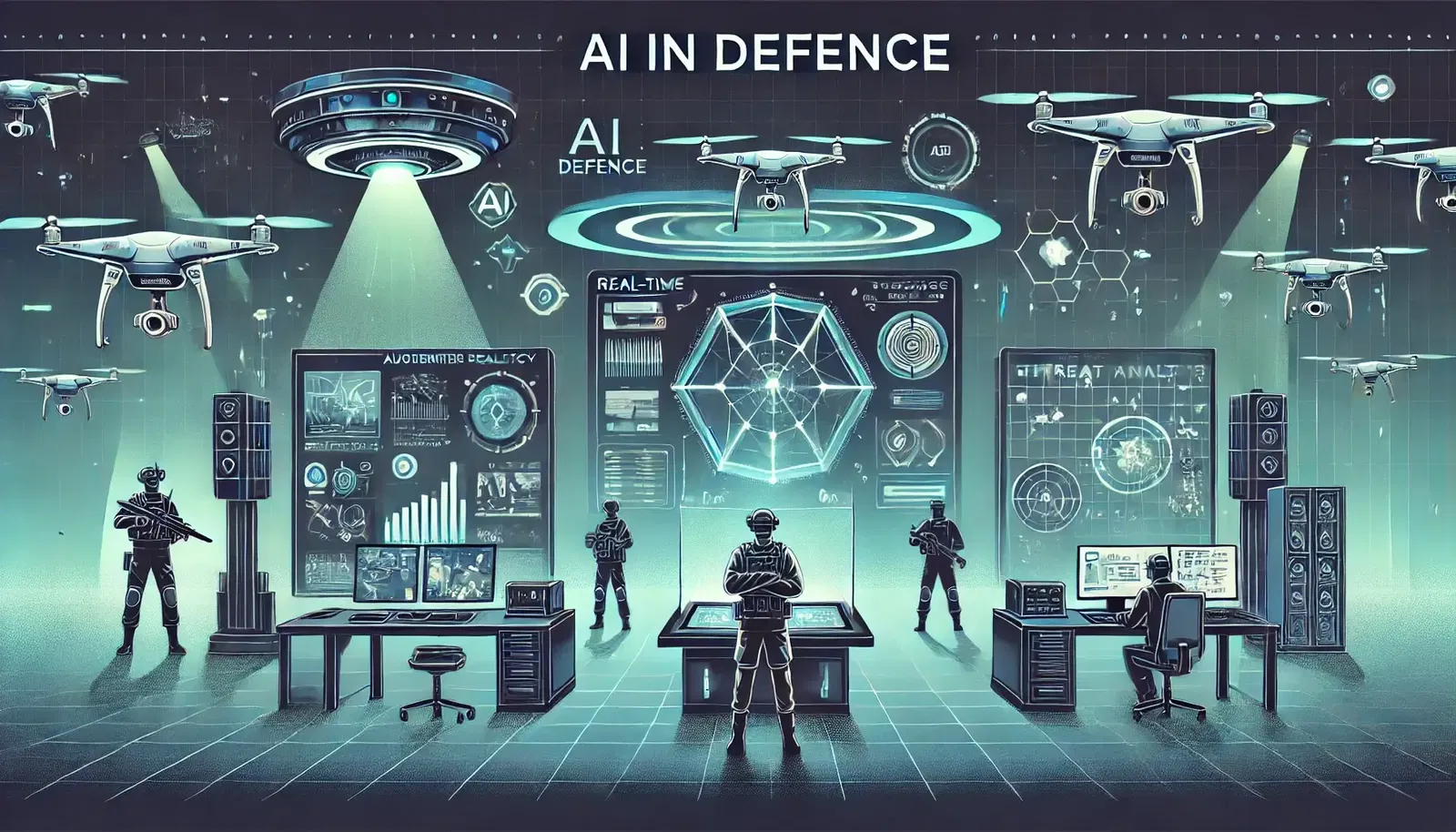
Germany is a global leader in defense engineering. The dialogue touched upon the potential for partnerships in the production of surveillance equipment, patrol vessels, and advanced communications systems. However, the emphasis remained on “defensive capabilities” to avoid escalating tensions within the region.
3. Combatting Non-Traditional Security Threats
Beyond state-on-state conflict, the meeting addressed “non-traditional” threats. These include terrorism, piracy, and the security implications of climate change. Germany’s experience in multilateral peacekeeping and civil-military cooperation (CIMIC) is highly valued by ASEAN members who frequently deal with internal instability and natural disasters.
| Cooperation Area | German Contribution | ASEAN Benefit |
|---|---|---|
| Maritime Security | Technical expertise in UNCLOS & patrol tech | Enhanced territorial monitoring & legal clarity |
| Cyber Defense | Advanced encryption & threat intelligence | Protection of critical digital infrastructure |
| Disaster Relief | Logistical frameworks & rapid response units | Faster recovery from climate-induced disasters |
| Defense Policy | Strategic planning & diplomatic mediation | Diversification of security partnerships |
Geopolitical Implications: Balancing the Superpowers
The meeting between the Secretary-General and the German Parliamentary State Secretary occurs against the backdrop of intense competition between the United States, and China. For ASEAN, the “hedging strategy”—maintaining good relations with all major powers—is essential for survival and prosperity.
Germany represents a “Third Way.” As a leader of the European Union, Germany offers a partnership that is not driven by the same binary logic as the US-China rivalry. This allows ASEAN to enhance its security without necessarily aligning itself with a specific military bloc. The German approach is characterized by “strategic autonomy,” a concept that resonates deeply with ASEAN’s desire to maintain its own independence in regional affairs.
The EU-ASEAN Strategic Partnership
It is important to view this meeting not just as a bilateral event between Germany and ASEAN, but as a component of the broader EU-ASEAN Strategic Partnership. Germany often acts as the engine of the EU’s economic and political will. By strengthening the defense link, Germany is paving the way for a more comprehensive security dialogue between the European Union and Southeast Asia, potentially leading to joint exercises or coordinated maritime patrols in the future.
Addressing Common Misconceptions
There are several common misconceptions regarding the role of European powers in Southeast Asian security that this meeting helps to clarify.
- Misconception: “Europe is too far away to care about Indo-Pacific security.”
Reality: The majority of Europe’s trade passes through the Indo-Pacific. A conflict in the South China Sea would trigger a global economic crisis, making regional stability a domestic priority for Germany. - Misconception: “Germany only provides economic aid, not security support.”
Reality: While trade is the foundation, the Zeitenwende has shifted Germany’s focus toward “security-economic” integration, where defense cooperation is seen as a tool for economic stability. - Misconception: “ASEAN is too fragmented for a partner like Germany to engage with.”
Reality: While member states have different views, the ASEAN Secretariat provides a centralized point of coordination. Engaging with the Secretary-General allows Germany to set a regional baseline before pursuing bilateral agreements.
The Path Forward: Milestones and Expectations
The meeting has set the stage for a series of follow-up actions. The diplomatic community expects a more formalized roadmap for defense cooperation to emerge in the coming months. This could include the establishment of a permanent working group on security or the initiation of joint workshops on cybersecurity and maritime law.
For those tracking this development, it is useful to monitor the following indicators of progress:
- Joint Statements: Look for official communiqués that specifically mention “defense cooperation” or “maritime security” in the context of the ASEAN-Germany relationship.
- Defense Procurement: An increase in the acquisition of German defense technology by ASEAN members would signal a deepening of trust and technical integration.
- Military-to-Military Visits: Increased frequency of visits between the German Bundeswehr and the defense ministries of ASEAN member states.
The long-term goal is the creation of a “security ecosystem” where European standards of transparency and international law are integrated into the regional framework of Southeast Asia, creating a buffer against unilateral aggression and instability.
Frequently Asked Questions
Why is the meeting between the ASEAN Secretary-General and Germany’s Defense State Secretary important?
It signals Germany’s transition from a purely trade-based relationship with Southeast Asia to a strategic security partnership. This helps ASEAN diversify its security partners and provides Germany with a stable foothold in the Indo-Pacific region.
What is “ASEAN Centrality” and why does Germany support it?
ASEAN Centrality is the idea that ASEAN should lead the organization and direction of regional security and diplomacy. Germany supports this because it prefers a multilateral, inclusive approach over a region dominated by a single superpower.
How does Germany’s “Zeitenwende” affect its relations with ASEAN?
The Zeitenwende (historic turning point) has led Germany to increase its defense spending and take a more active role in global security. This makes Germany more willing and able to provide defense capacity building and security cooperation to ASEAN members.
Will this lead to German military bases in Southeast Asia?
Current indicators suggest that Germany is focused on “capacity building,” “training,” and “diplomatic support” rather than the establishment of permanent military bases. The goal is stability and rules-based order, not military projection.
What are the main security threats that Germany and ASEAN are collaborating on?
The primary focus areas include maritime security (freedom of navigation), cybersecurity, combating piracy, and improving humanitarian assistance and disaster relief (HADR) capabilities.
As the dialogue continues to evolve, the relationship between the Federal Republic of Germany and ASEAN is likely to become a cornerstone of the broader EU-Indo-Pacific strategy. The ability of these two entities to synchronize their security goals will be a critical factor in ensuring that the Indo-Pacific remains a region of peace, openness, and shared prosperity. The engagement of the Secretary-General with the German defense leadership is not merely a diplomatic formality, but a strategic investment in a more balanced global order.
For more insights into regional diplomacy, you may find a related explainer on ASEAN’s Indo-Pacific Outlook useful, or explore our analysis of EU-ASEAN trade relations to see how economic ties underpin these security developments.
