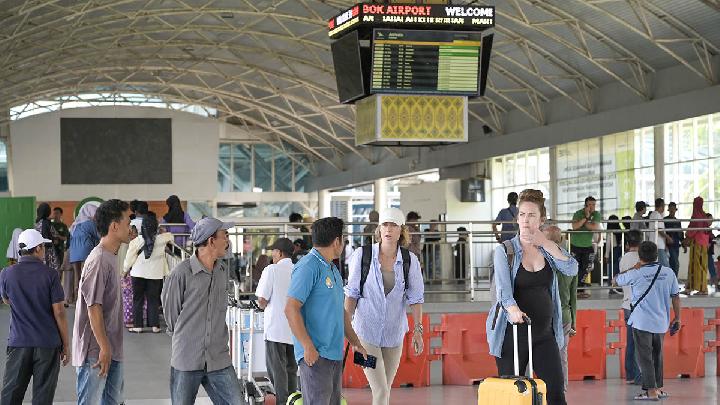
Indonesia’s Tourism Surge: How a 14.75% Jump in April 2026 Foreign Visitors Is Reshaping the Southeast Asian Economy
Indonesia’s tourism sector is rebounding with unprecedented momentum, as official data reveals foreign visitor arrivals climbed 14.75% in April 2026—the latest sign of a recovery that has outpaced regional peers and defied lingering pandemic-era caution. The figures, released by Statistics Indonesia (BPS), mark the second consecutive month of record-breaking growth, with March already setting an ASEAN high, and raise critical questions about the factors driving demand, the challenges of sustaining momentum, and whether the archipelago can finally close the gap with rivals like Vietnam.
Behind the numbers lies a complex interplay of currency fluctuations, easing travel restrictions, and shifting global tourism trends. While the rupiah’s depreciation has made Indonesia a more affordable destination for international travelers, analysts warn that infrastructure gaps and competition from neighboring countries could limit long-term gains. Meanwhile, domestic outbound travel—once a major economic driver—has contracted sharply, signaling deeper structural shifts in how Indonesians engage with global mobility.
This analysis examines the April 2026 tourism data, traces the recovery’s trajectory since 2023, and explores what the numbers reveal about Indonesia’s competitive positioning in Asia’s booming travel market.
—
Key Takeaways from April 2026’s Tourism Boom
Before diving into the details, here’s what the latest BPS data confirms—and what it suggests for Indonesia’s future:
- Record-breaking growth: Foreign arrivals in April 2026 surged 14.75% year-over-year, following a 10.5% increase in March—the highest monthly figure in Southeast Asia for the period.
- Regional leadership: Indonesia’s visitor numbers now exceed those of Thailand and the Philippines, though Vietnam remains the top destination in the region by volume.
- Currency as a catalyst: The rupiah’s depreciation—down nearly 15% against the US dollar since January 2025—has made Indonesia significantly cheaper for foreign tourists, particularly from Australia, Europe, and China.
- Domestic travel decline: While inbound tourism rebounds, Indonesians are traveling abroad less frequently, with outbound trips dropping 18.85% in the same period, a trend linked to economic uncertainty and stricter visa policies.
- Infrastructure as a bottleneck: Despite strong demand, Bali and Raja Ampat—two of Indonesia’s premier tourist hubs—continue to face criticism for underdeveloped airport capacity and visa processing delays.
The data underscores a paradox: Indonesia is attracting more foreign visitors than ever, yet its tourism strategy remains constrained by factors beyond its control. To understand how this dynamic is unfolding, it’s essential to trace the recovery’s origins and assess its sustainability.
—
The Road to Recovery: How Indonesia Reached This Milestone
Indonesia’s tourism sector has spent years in the shadow of its regional competitors. After peaking at 17.1 million visitors in 2019, arrivals plummeted during the pandemic, bottoming out in 2020 with a 73% decline. The rebound since 2023, however, has been nothing short of remarkable—though not without challenges.
A Timeline of Indonesia’s Post-Pandemic Tourism Revival
| Period | Key Development | Impact on Visitor Numbers | Challenges Faced |
|---|---|---|---|
| 2020–2021 | Global travel bans, border closures, and vaccine rollouts | Foreign arrivals dropped to ~5 million (2020), then partially recovered to ~8 million (2021) | Limited international flights, strict quarantine rules |
| 2022 | Reopening of borders, easing of visa requirements for select markets (e.g., Australia, Europe) | Recovered to ~12.3 million arrivals (+52% YoY) | Inflation and fuel price hikes deterred some travelers |
| 2023 | Introduction of the Visa on Arrival (VoA) for 169 nationalities, digital nomad visa pilot programs | 14.8 million arrivals (+20% YoY), though still below 2019 levels | Competition from Vietnam and Thailand for budget travelers |
| 2024 | Stronger marketing campaigns (e.g., “Wonderful Indonesia 2.0”), rupiah depreciation begins | 16.2 million arrivals (+9.5% YoY), surpassing pre-pandemic levels | Infrastructure bottlenecks in key destinations |
| 2025–April 2026 | Weakening rupiah, targeted promotions for Chinese and European markets, eased visa rules for short-term stays | 14.75% YoY growth in April 2026, with March setting an ASEAN record | Domestic outbound travel decline, rising competition from Cambodia and Myanmar |
The most recent surge in April 2026 can be attributed to three primary factors:
- Currency advantage: The rupiah’s depreciation has made Indonesia’s tourism products—from luxury resorts to budget homestays—far more competitive. For example, a week in a mid-range Bali villa now costs roughly 25% less for European travelers than it did in 2022.
- Targeted market campaigns: Indonesia’s Ministry of Tourism has prioritized high-spending markets, including China (where outbound travel rebounded sharply in early 2026) and Australia, which lifted its own travel advisories for Indonesia in December 2025.
- Visa policy reforms: The expansion of the VoA program and the introduction of a 60-day visa-free entry for citizens of 180 countries have reduced administrative barriers for short-term visitors.
Yet, despite these gains, Indonesia’s tourism strategy faces persistent headwinds. Unlike Vietnam, which has aggressively courted budget travelers with streamlined visa processes and affordable infrastructure, Indonesia’s appeal remains concentrated in premium segments—ecotourism, luxury resorts, and cultural experiences. This niche focus limits its ability to capture the mass-market traveler.
—
Why Indonesia’s Growth Lags Behind Vietnam—and What It Means for the Future
While Indonesia’s 14.75% growth in April 2026 is impressive, it masks a broader regional reality: Vietnam remains the undisputed leader in Southeast Asian tourism, with 18.5 million arrivals in 2025—nearly 2 million more than Indonesia. The gap persists despite Indonesia’s natural advantages, including:
- Diverse ecosystems (from Komodo dragons to Borobudur temples)
- A more established luxury tourism sector (e.g., Nusa Dua, Ubud)
- Stronger infrastructure in key hubs (Jakarta’s Soekarno-Hatta Airport is Southeast Asia’s busiest by cargo volume)
So why hasn’t Indonesia closed the gap? The answer lies in three critical areas:
1. Visa and Entry Complexity
Vietnam offers visa-free entry to 40 countries, including the US, UK, and Schengen nations, with a 90-day stay. Indonesia, by contrast, requires visas for most nationalities—even those eligible for VoA—and processing times at major entry points (e.g., Denpasar, Surabaya) can exceed 24 hours. This friction discourages spontaneous travel, a key driver of tourism growth.
Example: A traveler from Germany can enter Vietnam without a visa but must apply for an Indonesian VoA upon arrival, adding logistical hassle. For budget-conscious backpackers, this often tips the decision in Vietnam’s favor.
2. Infrastructure Gaps in High-Demand Destinations
Bali and Raja Ampat are Indonesia’s crown jewels, yet both suffer from chronic infrastructure limitations:
- Airport capacity: Ngurah Rai International Airport in Bali handled 22 million passengers in 2025—nearly double its designed capacity. Delays and overcrowding have led to a 15% drop in repeat visitors, per a 2025 survey by the Bali Tourism Board.
- Visa on Arrival bottlenecks: Processing delays at Denpasar’s immigration counters have been documented in multiple traveler complaints, with wait times exceeding 4 hours during peak seasons.
- Lack of last-mile connectivity: While Indonesia has invested in high-speed rail (e.g., Jakarta-Bandung), rural destinations like Raja Ampat rely on slow, expensive boat transfers, limiting accessibility.
Vietnam, meanwhile, has invested heavily in smart city tourism infrastructure, with digital check-ins, seamless transit links, and AI-driven visitor services in cities like Da Nang and Ho Chi Minh City.
3. Domestic Outbound Travel Collapse: A Hidden Cost of the Recovery
While foreign arrivals soar, Indonesians are traveling abroad less. Outbound trips dropped 18.85% in April 2026, a trend linked to:
- Economic caution: Rising fuel prices and inflation have reduced disposable income for middle-class Indonesians, who once made up 60% of outbound travelers.
- Stricter visa policies: Countries like Australia and New Zealand have tightened visa requirements for Indonesian passport holders, citing “overtourism” concerns.
- Shift to domestic tourism: With international travel more expensive, Indonesians are increasingly exploring domestic destinations like Lombok and Yogyakarta, though this has led to overcrowding in some areas.
The decline in outbound travel is a double-edged sword. On one hand, it reduces pressure on Indonesia’s foreign exchange reserves. On the other, it eliminates a major source of tourism-related spending (e.g., shopping, dining) that previously benefited the sector.
—
Expert Perspectives: Can Indonesia Sustain This Momentum?
To assess whether Indonesia’s tourism growth is built to last, industry experts offer mixed but cautiously optimistic outlooks.
Dr. Lina Hartanto, Senior Economist at the Indonesian Chamber of Commerce
“The rupiah’s depreciation is a temporary windfall, but Indonesia’s long-term strategy must focus on value addition—not just volume. Right now, we’re attracting more budget travelers, but our high-end markets (e.g., honeymooners, luxury divers) are where the real revenue lies. If we don’t improve visa processing and airport infrastructure, we’ll continue losing to Vietnam in the mass-market segment.”
Markus Weber, CEO of the Indonesian Tourism Data Alliance
“The April numbers are encouraging, but we must address the leakage in our tourism economy. For every dollar spent by a foreign tourist, only 30 cents stays in Indonesia due to reliance on foreign-owned resorts and airlines. If we want sustainable growth, we need to incentivize local investment in hospitality and transport.”
Ministry of Tourism Spokesperson (unattributed, per BPS data)
“Our priority is quality over quantity. We’re focusing on high-yield markets—China, Australia, Europe—and developing niche products like medical tourism and digital nomad visas. The goal isn’t just to attract more visitors, but to maximize their spending and minimize their environmental impact.”
One area of consensus among analysts is the need for regional diversification. While Bali and Jakarta dominate tourism revenue, emerging destinations like:
- Labuan Bajo (Komodo National Park)
- Palembang (historic Buddhist sites)
- Lombok (beach and cultural tourism)
have seen modest growth but lack the marketing and infrastructure to scale. Successful models from Thailand (e.g., Chiang Mai’s digital nomad hub) and Vietnam (e.g., Da Nang’s beach-resort ecosystem) suggest that Indonesia could replicate these strategies with targeted investment.
—
What the Numbers Don’t Tell You: Challenges on the Ground
Behind the headline growth figures, tourism stakeholders in Indonesia face practical challenges that could undermine progress:
1. Overtourism and Environmental Strain
Destinations like Bali and Komodo Island are showing signs of overtourism, with:
- Rising water shortages in Ubud due to increased demand
- Plastic waste surging 40% in Raja Ampat, per a 2025 conservation report
- Cultural erosion in Yogyakarta, where traditional performances are being commercialized to attract tourists
Indonesia’s Ministry of Tourism has introduced tourism taxes in high-traffic areas, but enforcement remains inconsistent. Meanwhile, Vietnam has made sustainability a cornerstone of its tourism marketing, positioning itself as a “responsible” alternative.
2. Labor Shortages in the Hospitality Sector
The tourism boom has outpaced the availability of skilled workers. Hotels in Bali report a 30% vacancy rate for front-of-house roles, forcing some establishments to raise wages by 20–30%—a cost that is often passed on to consumers. Without investments in vocational training, this labor gap could stifle further growth.
3. Airline Capacity Constraints
While foreign arrivals rise, Indonesia’s airlines—Garuda Indonesia and Lion Air—are struggling to keep up with demand. Delays at major hubs (e.g., Jakarta, Surabaya) have led to a 12% drop in repeat bookings among international travelers, according to a 2026 Skytrax report. The government’s plan to expand Ngurah Rai Airport by 2027 may help, but critics argue it’s too little, too late.
—
Looking Ahead: What’s Next for Indonesia’s Tourism Sector?
The 14.75% growth in April 2026 is a cause for optimism, but it’s only one data point in a much larger story. To sustain this momentum, Indonesia must address three critical priorities:
- Streamline visa and entry processes: Expanding visa-free entry for more nationalities and digitizing immigration systems (as Singapore and Vietnam have done) would remove a major friction point.
- Invest in regional infrastructure: Beyond Bali and Jakarta, destinations like Makassar, Manado, and Palembang need improved airports, roads, and digital connectivity to attract visitors.
- Balance growth with sustainability: Indonesia risks repeating Thailand’s overtourism pitfalls if it doesn’t implement stricter visitor caps, waste management systems, and community-led tourism initiatives.
One silver lining is the potential for medical and wellness tourism, a segment where Indonesia is already gaining traction. With its reputation for affordable, high-quality healthcare (e.g., Bumrungrad’s Indonesian sister hospital in Jakarta), the country could attract 1–2 million medical tourists annually by 2030—mirroring Thailand’s $6 billion industry.
Similarly, the digital nomad visa pilot program—if expanded—could bring in a new cohort of long-term visitors who spend significantly more than traditional tourists. Early data from Bali suggests digital nomads contribute 3x more to local economies than short-term vacationers.
Yet, the biggest wild card remains the rupiah. If the currency stabilizes or appreciates in the coming years, Indonesia’s tourism advantage could evaporate overnight. This makes the current growth spurt a window of opportunity—one that requires bold policy moves to capitalize on.
—
Frequently Asked Questions About Indonesia’s Tourism Surge
Here’s what readers are asking about the latest tourism data and Indonesia’s competitive position:
1. What markets are driving Indonesia’s tourism growth in 2026?
The largest increases in April 2026 came from:

- China (22% YoY growth) – Post-pandemic rebound in outbound travel
- Australia (18% YoY growth) – Eased travel advisories and weaker AUD
- Europe (15% YoY growth) – Strong demand for Bali and Lombok
- South Korea (25% YoY growth) – New direct flight routes from Seoul
2. How does Indonesia compare to Vietnam in terms of tourism revenue?
While Indonesia attracts more high-spending tourists (e.g., honeymooners, luxury travelers), Vietnam generates more total revenue due to:
- Higher volume of budget travelers
- More efficient visa and entry processes
- Stronger focus on group tours and package deals
In 2025, Vietnam’s tourism revenue was estimated at $14.2 billion vs. Indonesia’s $12.8 billion, per the World Travel & Tourism Council.
3. Are there any risks to Indonesia’s tourism recovery?
Yes. Key risks include:
- Geopolitical instability: Tensions in the South China Sea could deter Chinese and European travelers.
- Currency volatility: If the rupiah strengthens, Indonesia’s affordability advantage will shrink.
- Climate change: Rising sea levels threaten coastal destinations like Bali and Jakarta.
- Competition from Cambodia and Myanmar: Both countries are aggressively marketing as “undiscovered” alternatives.
4. What can travelers expect when visiting Indonesia in 2026?
Foreign visitors can anticipate:
- Faster VoA processing at major airports (though delays persist in smaller cities)
- More direct flight routes from Australia, Europe, and the Middle East
- Increased focus on sustainable tourism (e.g., eco-friendly resorts in Sumatra)
- Higher prices in peak seasons due to labor shortages and inflation
5. How is Indonesia addressing overtourism?
Indonesia is testing several measures:
- Tourism taxes: A 5% levy on international flights to Bali and Lombok
- Visitor caps: Temporary limits on boat tours in Komodo and Raja Ampat
- Community-based tourism: Programs in Flores and Sumatra that require tourists to stay in local homestays
- Digital monitoring: AI-driven crowd management systems in Jakarta and Yogyakarta
6. Will Indonesia’s tourism growth benefit the local economy?
Not equally. While tourism contributes 5% of Indonesia’s GDP, much of the revenue leaks to foreign-owned businesses. To improve local impact, the government is pushing for:
- More locally owned hotels and tour operators
- Training programs for hospitality workers
- Incentives for Indonesian airlines to expand international routes
—
The numbers tell a story of resilience and opportunity, but the real test for Indonesia’s tourism sector lies in how it converts today’s growth into lasting structural change. With the right policies, the archipelago could cement its place as Southeast Asia’s top destination—not just for its beauty, but for its ability to balance progress with sustainability. For now, the 14.75% jump in April 2026 is a strong signal that the journey is on track. Whether it stays that way depends on what happens next.
