Ariana Grande Condemns White House for Misusing Music in Immigration Enforcement Campaigns
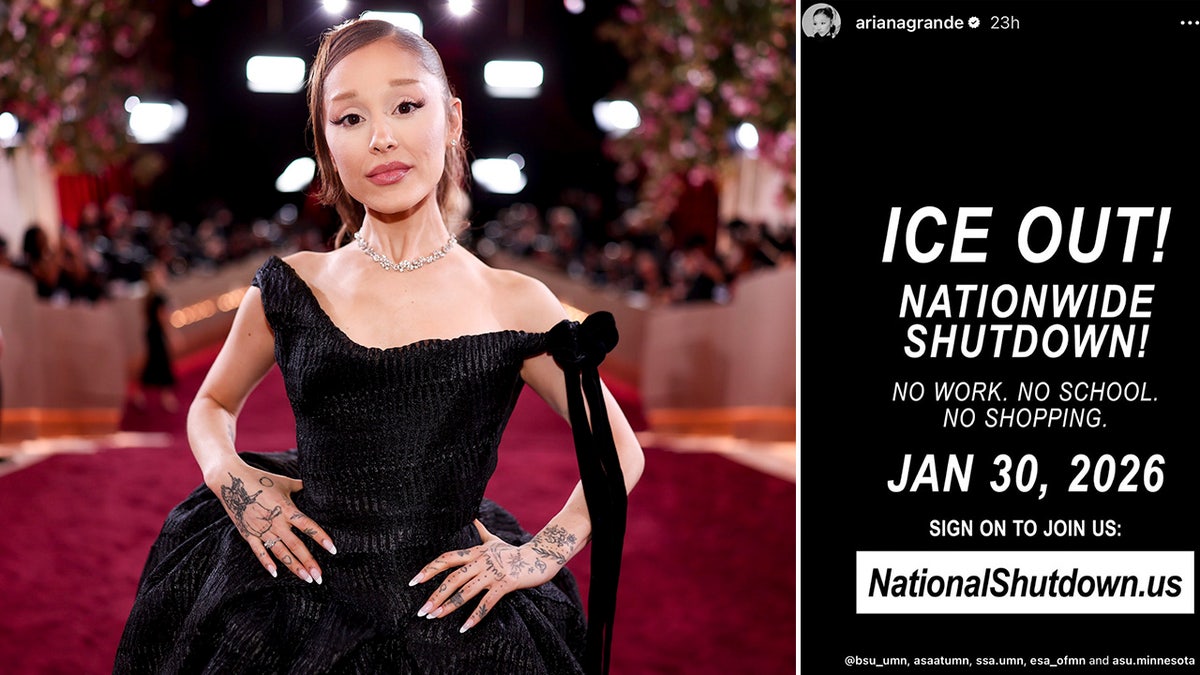
Ariana Grande has publicly criticized the Trump administration for using her music in promotional materials related to U.S. Immigration and Customs Enforcement (ICE) operations, calling the practice “barbaric, inhumane, and heinous nonsense.” The singer, known for her advocacy on social justice issues, expressed outrage over the apparent misuse of her work to support policies she has previously condemned.
What Happened?
The controversy emerged when a video featuring Grande’s song “7 Rings” was reportedly shared by the White House or affiliated entities to accompany content related to ICE enforcement actions. The singer responded through her social media platforms, condemning the action and urging the administration to cease using her music for what she described as “dehumanizing purposes.”
While specific details about the video’s content and distribution remain unclear, Grande’s statement highlights a broader tension between artists and political entities. She emphasized that her music is not a tool for promoting policies that “violate human dignity,” referencing her long-standing criticism of immigration enforcement practices.
Who Is Involved?
Ariana Grande, a pop icon with over 100 million records sold globally, has increasingly used her platform to address social and political issues. Her activism spans LGBTQ+ rights, mental health awareness, and opposition to policies she deems discriminatory. The White House, under President Donald Trump, faced repeated criticism for its immigration enforcement strategies, including family separation policies and heightened deportation efforts.
ICE, the federal agency responsible for enforcing immigration laws, has been at the center of debates over border security and human rights. The agency’s actions have drawn scrutiny from advocacy groups, legal experts, and celebrities, including Grande, who have called for reforms to address systemic issues within the immigration system.
Why This Matters
The incident underscores the growing intersection of celebrity influence and political messaging. Artists like Grande, whose work often resonates with younger, socially conscious audiences, hold significant sway over public opinion. Their public condemnations can amplify scrutiny of government policies, particularly when those policies face widespread criticism.
Grande’s stance also reflects a broader trend of artists resisting the commercialization of their work for political agendas. In recent years, musicians have increasingly taken public stands against organizations or governments that use their music without permission, citing ethical concerns. For example, in 2020, several artists withdrew their music from streaming platforms to protest the Trump administration’s policies on immigration and racial justice.
Context and Background
The use of music in political campaigns is not uncommon, but the controversy surrounding Grande’s case highlights the ethical dilemmas that arise when artists’ work is repurposed without consent. The Trump administration faced numerous allegations of using cultural symbols and figures to bolster its messaging during its tenure, a practice that critics argue can legitimize controversial policies.
Grande’s response aligns with her history of activism. In 2017, she donated proceeds from her “Sweetener” album to victims of the Manchester Arena bombing, a tragedy that occurred during one of her concerts. She has also spoken out against the opioid crisis, a cause she has linked to her own personal struggles.
Reactions and Implications
The backlash from Grande’s statement was immediate. Fans and fellow celebrities expressed support for her stance, while some critics questioned whether her actions would have a tangible impact on policy. Legal experts noted that while artists can voice opposition, the enforcement of immigration policies remains under the jurisdiction of federal agencies, making direct influence challenging.
Political analysts suggested that the incident could further polarize public opinion, particularly among younger voters who are more likely to engage with artists’ social messages. “When a celebrity with a massive following takes a stand, it can sway public sentiment and pressure policymakers to reconsider their approaches,” said Dr. Emily Carter, a political science professor at Stanford University.
Key Takeaways
- Ariana Grande condemned the Trump administration for using her music in ICE-related campaigns, calling the practice “barbaric, inhumane, and heinous nonsense.”
- The incident highlights the tension between artists and political entities over the ethical use of cultural works.
- Grande’s activism reflects a broader trend of celebrities using their platforms to address social and political issues.
- The controversy underscores the challenges of balancing free expression with the ethical responsibilities of public figures.
FAQ
Why did Ariana Grande object to her music being used by the White House?
Grande stated that the use of her music in connection with ICE enforcement actions was “barbaric, inhumane, and heinous nonsense,” reflecting her opposition to policies she views as dehumanizing.
What is the significance of artists protesting political uses of their work?
Artists often leverage their influence to challenge policies they find unethical. Their public statements can raise awareness, mobilize supporters, and pressure policymakers, though direct policy changes remain complex.
How does this incident fit into broader debates about immigration enforcement?
The controversy highlights longstanding criticisms of ICE, including allegations of excessive force, family separations, and lack of transparency. It also reflects the role of public figures in shaping discourse around these issues.
What actions can artists take if their work is misused?
Artists can issue public statements, demand removal of their work, or collaborate with advocacy groups. Legal options are limited unless the use violates copyright or trademark laws.
How has the public responded to Grande’s criticism?
Support for Grande’s stance was widespread, particularly among
