Recent archaeological excavations in Turkey are challenging established historical narratives regarding the early centuries of Christianity. A series of discoveries in the region is reportedly altering the current understanding of the faith’s origins, providing new evidence from the first few centuries of the religion’s existence.
A Rare Glimpse Into Early Iconography
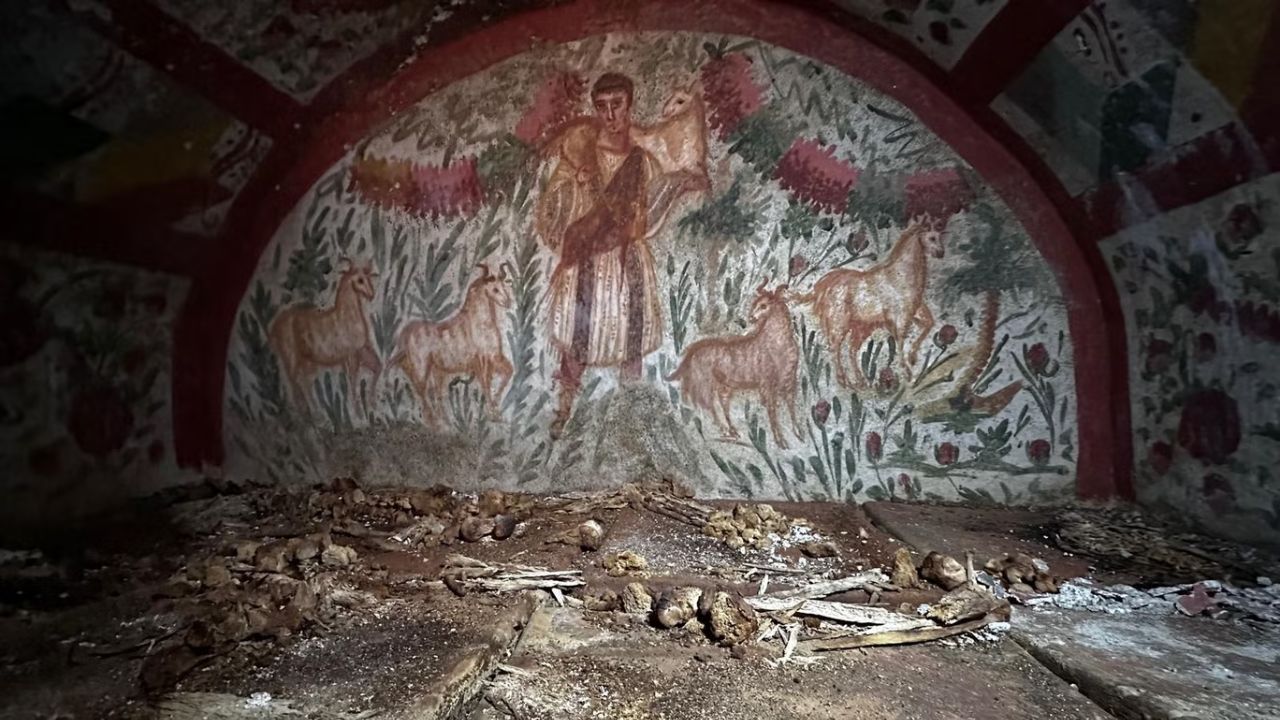
The center of these findings is a remarkably preserved fresco dating back 1,800 years. The artwork is described as the “jewel” of the current excavations, as it depicts a young, beardless Jesus. This representation differs significantly from the more common traditional imagery associated with the figure in later centuries.
According to local reports, the artwork remained protected from the elements because it was hidden within a sealed tomb. This environment allowed the fresco to survive in a state that offers historians a rare visual record of how early followers may have perceived Jesus.
Redefining Historical Origins
Experts indicate that these finds are essentially turning upside down previous knowledge about the beginnings of Christianity. By uncovering physical evidence from this period, the excavations are providing critical new clues that help researchers reconstruct the nascent stages of the faith in the region.
