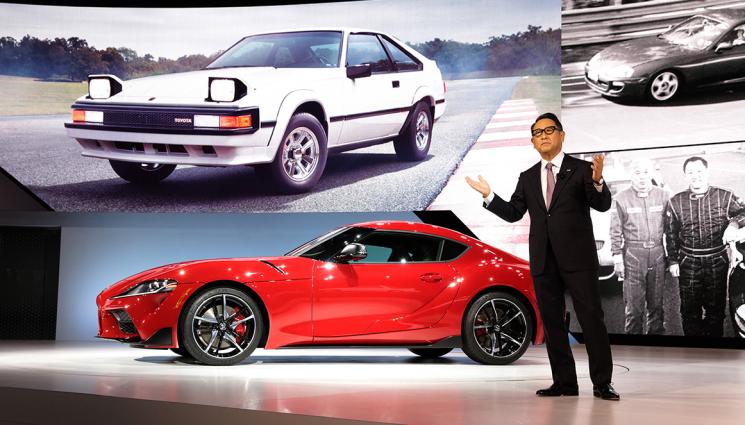
Akio Toyoda, Chairman of Toyota, stated he feels “completely alone” in defending the internal combustion engine (ICE) against a global industry shift toward total electrification, according to local media reports. Toyoda argues that relying solely on battery electric vehicles (BEVs) ignores global infrastructure realities and hinders the actual goal of carbon neutrality.
- Multi-pathway strategy: Toyota advocates for a mix of hybrids, hydrogen, and ICE alongside BEVs.
- Infrastructure gaps: Toyoda warns that many global markets lack the power grids necessary for mass EV adoption.
- Carbon neutrality focus: The company distinguishes between “zero-emission” vehicles and the broader goal of reducing overall atmospheric carbon.
Why Toyota Rejects an “Electric-Only” Strategy
Toyota is resisting the industry trend of pivoting exclusively to battery electric vehicles. According to public statements, Toyoda believes the push for a BEV-only future is driven more by political agendas than by practical engineering or economic reality. He argues that a single-solution approach creates a systemic risk for the automotive industry and consumers.
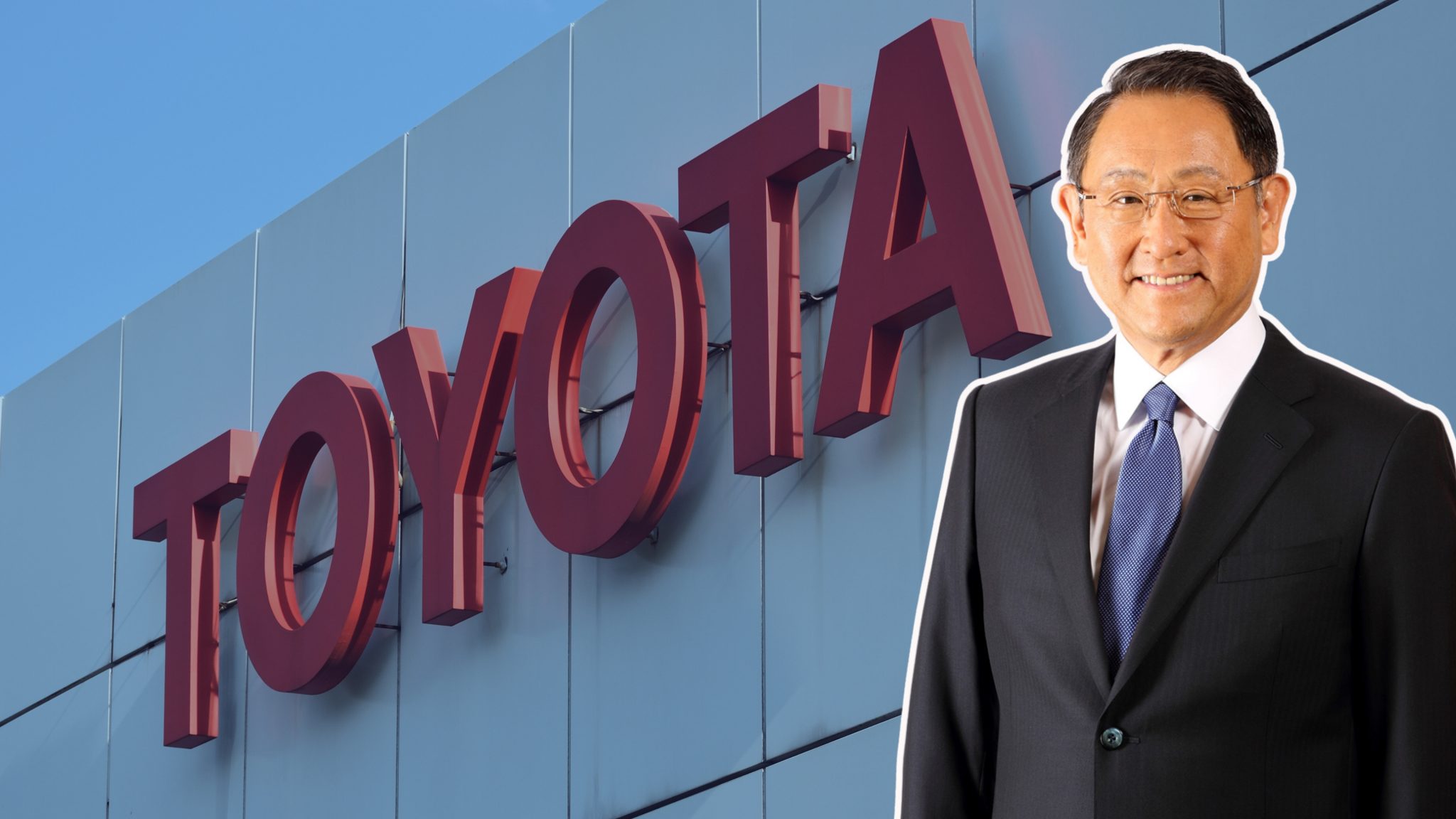
Instead, the company employs a “multi-pathway” approach. This strategy maintains investment in internal combustion engines and hybrids while developing hydrogen and electric options. By diversifying powertrain technology, Toyota aims to provide vehicles that suit different geographic and economic environments.
The Infrastructure Gap in Global Markets
A primary driver of Toyoda’s skepticism regarding total electrification is the uneven state of global infrastructure. According to local media reports, Toyoda points out that the electrical grids in many countries cannot support a sudden, wholesale transition to EVs.
In regions where reliable electricity is scarce or charging networks are non-existent, BEVs are not a viable primary transport solution. Toyoda contends that forcing these markets toward electrification ignores the lived reality of millions of drivers and limits mobility in developing economies.
Carbon Neutrality vs. Zero-Emission Tailpipes
Toyoda makes a sharp distinction between the marketing of “zero-emission” vehicles and the scientific goal of carbon neutrality. He argues that focusing only on the tailpipe ignores the carbon footprint of battery production and the electricity sources used to charge those batteries.
The goal should be carbon neutrality for the planet, not just zero emissions for a specific vehicle.
Akio Toyoda
By continuing to refine the internal combustion engine and promoting hybrids, Toyota claims it can achieve more immediate and widespread carbon reductions than by waiting for a fully electrified global infrastructure. This approach positions the hybrid as a pragmatic bridge that reduces emissions today without requiring an immediate, costly overhaul of national power grids.
