
The Apple iPhone Fold/Ultra may have been delayed to next year – GSMArena.com news – GSMArena.com
Apple’s first foldable device, potentially branded as the iPhone Fold or iPhone Ultra, may be delayed until next year, according to reports from GSMArena. Evidence from iOS 27 and macOS 27 betas suggests the hardware is in development, with some pricing estimates placing the device at approximately $1,999 to anchor the premium end of the iPhone lineup.
Why the Apple iPhone Fold/Ultra may have been delayed to next year
Reports from GSMArena indicate that the launch of Apple’s anticipated foldable handset has shifted further into the future. While the company has long been rumored to be working on a collapsible screen device, the latest industry signals suggest a delay that pushes the release into next year. This shift reflects a pattern of caution Apple typically employs when entering established product categories, prioritizing hardware durability and software optimization over being first to market.
The delay likely stems from the technical complexities associated with foldable displays. According to industry analysis, the primary hurdles include eliminating the visible crease in the screen, ensuring long-term hinge reliability, and developing a version of iOS that can seamlessly transition between a standard smartphone aspect ratio and a tablet-like experience. By pushing the release date, Apple avoids the early-generation failures seen in the first few iterations of competing foldable devices from other manufacturers.
- Hardware Refinement: Apple is reportedly focusing on a “crease-less” display to meet its internal quality standards.
- Software Integration: The transition between screen states requires a fundamental rethink of the iOS multitasking framework.
- Supply Chain Stability: Sourcing high-yield foldable panels that meet Apple’s strict specifications often leads to timeline extensions.
Evidence of a foldable iPhone in iOS 27 and macOS 27 betas
While a release date remains fluid, technical evidence suggests the device is very much in the pipeline. According to reports from 91mobiles and AppleInsider, clues regarding an “iPhone Ultra” or “iPhone Fold” have emerged within the beta code for iOS 27 and macOS 27. The discovery of these references in software betas is a common precursor to new hardware, as Apple must build the drivers and interface supports into the operating system before the physical device is unveiled.

The mentions in the code are not limited to a phone. AppleInsider notes that evidence also points toward a touchscreen MacBook. This suggests a broader strategic pivot toward “collapsible” or “hybrid” computing. If the iPhone Fold and a touchscreen MacBook are developed in tandem, it indicates that Apple is designing a unified ecosystem where the transition from a phone to a tablet and then to a laptop is more fluid than it is today.
“iPhone Ultra/Fold, touchscreen MacBook clues emerge in iOS 27 and macOS 27 betas,” reports 91mobiles, highlighting that the software infrastructure is being laid out well in advance of the hardware’s arrival.
What will the Apple foldable be called? Fold, Ultra, or Ultra Fold?
The exact nomenclature of the device remains a subject of debate among analysts. Moneycontrol reports that Apple is considering several naming conventions, including “iPhone Fold,” “iPhone Ultra,” or a combination of the two, such as “iPhone Ultra Fold.”
The choice of “Ultra” would align the device with the Apple Watch Ultra, signaling a product designed for power users and those willing to pay a significant premium for maximum capability. Conversely, “Fold” is the industry standard term, which would make the device immediately recognizable to consumers. A hybrid “Ultra Fold” would combine the prestige of the Ultra brand with the functional description of the hardware.
| Potential Name | Brand Strategy | Market Positioning |
|---|---|---|
| iPhone Fold | Descriptive/Standard | Direct competitor to Samsung Z Fold/Flip |
| iPhone Ultra | Premium/Power User | Highest tier of the iPhone hierarchy |
| iPhone Ultra Fold | Hybrid/Prestige | The ultimate “everything” device |
How a $1,999 price tag could stabilize iPhone pricing
Pricing for a foldable device is expected to be substantially higher than the current Pro Max models. Forbes reports that Apple’s foldable could be priced around $1,999. While this price point may seem prohibitive to the average consumer, it serves a specific strategic purpose: price anchoring.
By introducing a “super-premium” device at nearly $2,000, Apple makes the existing iPhone Pro and Pro Max models—which typically range from $999 to $1,199—appear more affordable by comparison. This psychological pricing strategy allows Apple to maintain high margins on its top-tier traditional phones while capturing a new segment of high-spending enthusiasts.
According to Forbes, this strategy helps keep broader iPhone prices in check by providing a ceiling. When consumers see an Ultra model at $1,999, the $1,199 price of a Pro Max feels like a reasonable middle ground rather than an expensive luxury. This allows Apple to upsell users to the Pro line more effectively while reserving the foldable for the absolute top of the market.
The broader impact on the Apple ecosystem
The introduction of a foldable iPhone is not an isolated event; it is part of a larger shift in how Apple views the boundary between the iPhone and the iPad. For years, the iPad Mini has occupied the space between a large phone and a small tablet. A foldable iPhone effectively eliminates the need for a separate small tablet for many users.
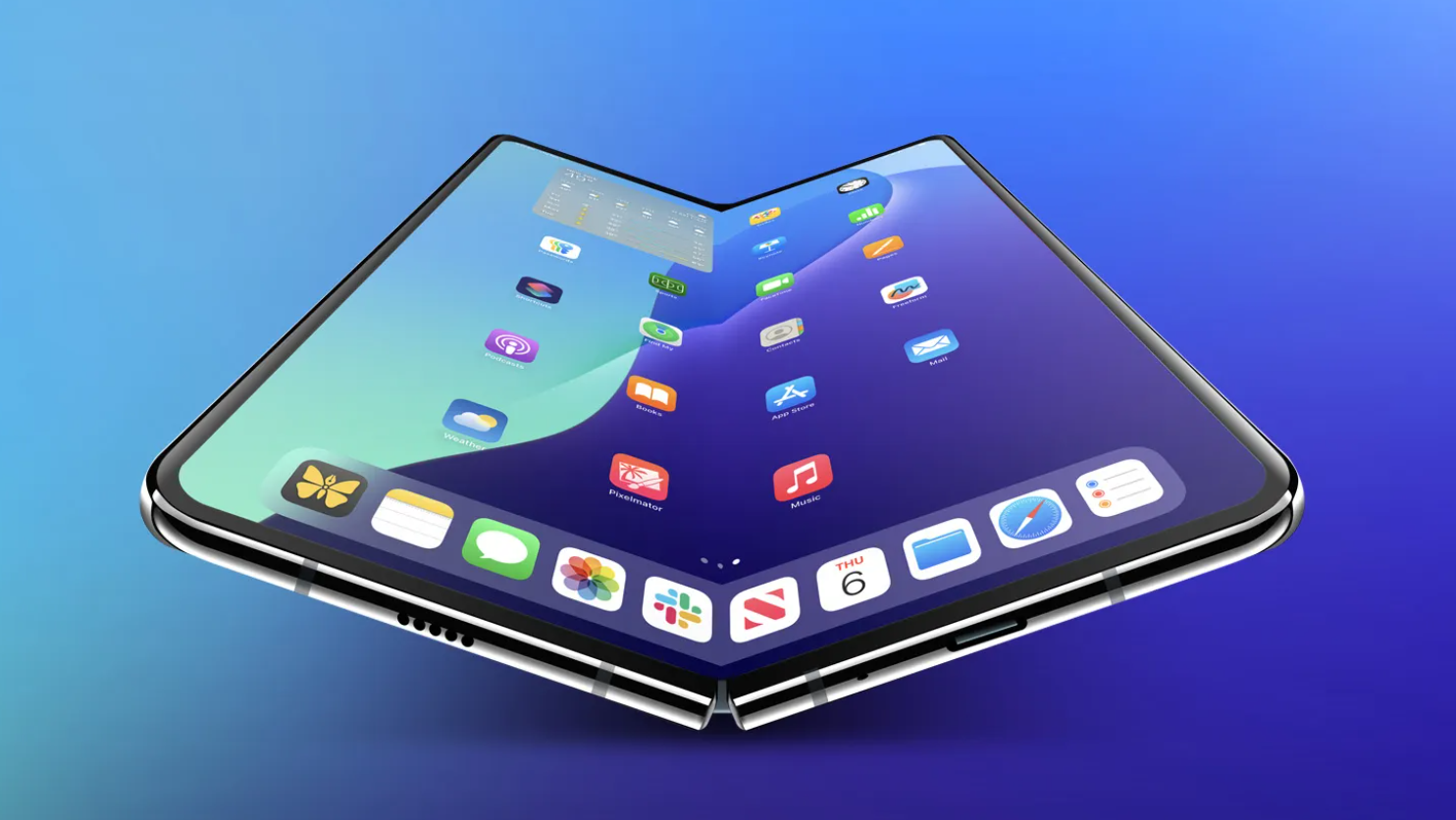
The reported development of a touchscreen MacBook, as cited by AppleInsider and 91mobiles, further complicates this. If Apple releases a foldable phone and a touch-enabled laptop, the iPad Pro may eventually be repositioned or merged into these categories. This suggests a move toward a “converged” device strategy where the form factor changes based on the user’s current task rather than requiring the user to switch devices.
Key implications for consumers:
- Device Consolidation: Users may stop buying iPads if the iPhone Fold provides enough screen real estate for productivity.
- New App Paradigms: App developers will need to create “responsive” layouts that change instantly as the screen unfolds.
- Battery Challenges: Folding screens and larger displays demand more power, potentially leading to new battery technologies or larger chassis designs.
Comparing the reported details across sources
Different outlets have focused on different aspects of the foldable’s development. While GSMArena focuses on the timeline and the likelihood of a delay, Forbes analyzes the economic impact of the pricing. Meanwhile, technical outlets like 91mobiles and AppleInsider provide the “smoking gun” via software leaks.
The consensus across these sources is that the device is coming, but Apple is not rushing. The contrast between the “iOS 27” leaks and the “delayed to next year” reports suggests that Apple is playing a very long game. They are preparing the software for a future that may be several iterations away, even if the first physical prototype hits shelves next year.
For those tracking this development, it is helpful to distinguish between confirmed leaks (software references) and reported timelines (industry rumors). The software references in the betas are concrete data points, whereas the “delay to next year” is an industry projection based on supply chain movements.
Common misconceptions about the Apple foldable
One common misconception is that Apple is “behind” because it has not yet released a foldable. However, industry precedent suggests Apple prefers to enter a market once the technology has matured. For example, Apple did not release the first smartphone, nor the first tablet, nor the first smartwatch. In each case, they waited for the competition to define the category and identify common failure points, then released a more polished version.
Another misconception is that the “iPhone Ultra” will simply be a larger iPhone. The evidence from the iOS 27 betas and the “Fold” naming rumors indicates a fundamental change in form factor. This is not just a size increase; it is a change in how the user interacts with the hardware.
Finally, some believe the $1,999 price point is a leak of the final MSRP. It is more likely a projected estimate based on the cost of foldable OLED panels and the premium Apple typically charges for new category-defining hardware. Final pricing often fluctuates based on the chosen storage capacities and the final bill of materials.
Frequently Asked Questions
When will the Apple iPhone Fold/Ultra be released?
According to reports from GSMArena, the device may have been delayed and is now expected to launch next year. Apple has not officially confirmed a release date.
How much will the Apple foldable iPhone cost?
Forbes suggests a potential price point of approximately $1,999, positioning it as a super-premium device above the current Pro Max models.

What evidence exists that Apple is making a foldable?
Reports from 91mobiles and AppleInsider point to references of an “iPhone Ultra/Fold” and a touchscreen MacBook found within the beta code of iOS 27 and macOS 27.
Will the iPhone Fold replace the iPad Mini?
While not officially confirmed, industry analysts suggest that a foldable iPhone would provide a similar use case to the iPad Mini, potentially leading to a consolidation of Apple’s tablet and phone lines.
What are the possible names for the new device?
Moneycontrol reports that Apple is considering names such as “iPhone Fold,” “iPhone Ultra,” or “iPhone Ultra Fold.”
As Apple continues to refine its foldable technology, the industry will be watching the next few cycles of iOS updates for further clues. The intersection of a $1,999 price anchor, a collapsible form factor, and a potential touchscreen MacBook suggests that Apple is preparing for a significant shift in the mobile computing landscape. Whether the device arrives next year or later, the infrastructure being built into iOS 27 indicates a long-term commitment to this new category of hardware.
