
Persistent Anxiety and Depression May Delay Emotional Maturity Into Midlife
Chronic mental health struggles, specifically persistent anxiety and depression, can obstruct the typical trajectory of emotional development, potentially delaying the attainment of emotional maturity until midlife, according to reports from News-Medical. This developmental lag occurs because the cognitive and emotional resources required to navigate maturity are often consumed by the daily effort of managing clinical symptoms.
How Persistent Anxiety and Depression Delay Emotional Maturity
Emotional maturity is not a guaranteed byproduct of chronological aging. According to News-Medical, the presence of persistent anxiety and depression can create a psychological “stasis” where an individual remains stuck in the emotional responses of a younger version of themselves. This happens because chronic mental illness often keeps the brain in a state of survival. When a person is locked in a fight-or-flight response due to anxiety or the profound lethargy and hopelessness of depression, the brain prioritizes immediate survival over long-term developmental growth.
The development of emotional maturity requires the ability to reflect on one’s emotions, regulate reactions, and develop a stable sense of self. Clinical depression can strip away the motivation and energy needed for this introspection. Simultaneously, persistent anxiety can make the risks associated with emotional growth—such as vulnerability, failure, or social rejection—feel catastrophic. Consequently, the individual may avoid the very experiences that foster maturity, such as resolving difficult conflicts or taking independent risks.
Key factors contributing to this delay include:
- Cognitive Overload: The mental energy spent managing intrusive thoughts or depressive episodes leaves little room for the complex problem-solving required for emotional growth.
- Avoidance Behaviors: Anxiety often leads to the avoidance of challenging social situations, which prevents the development of interpersonal skills and resilience.
- Emotional Dysregulation: Chronic depression can impair the ability to process emotions healthily, leading to a reliance on maladaptive coping mechanisms that mimic adolescent behavior.
What Are the Markers of Delayed Emotional Maturity?
Emotional maturity is characterized by several core competencies, including the ability to handle frustration, take responsibility for one’s actions, and maintain stable relationships. When these are delayed into midlife, the discrepancy between a person’s age and their emotional reactions becomes apparent. News-Medical indicates that individuals experiencing this delay may struggle with impulse control or exhibit an inability to handle criticism without extreme emotional distress.

In a professional setting, this often manifests as an inability to handle workplace stress or a tendency to deflect blame. In personal relationships, it may appear as a lack of empathy or an inability to navigate compromise. These are not necessarily personality flaws but are often the remnants of a developmental process that was interrupted by mental health crises during the formative years of early adulthood.
The following table contrasts typical emotional milestones with the experiences of those facing delayed maturity due to chronic mental health issues:
| Developmental Milestone | Typical Early-to-Mid Adulthood | Delayed (Due to Anxiety/Depression) |
|---|---|---|
| Conflict Resolution | Direct communication and compromise. | Avoidance, withdrawal, or emotional outbursts. |
| Accountability | Accepting mistakes and seeking solutions. | Defensiveness or profound shame/guilt. |
| Emotional Regulation | Ability to soothe oneself during stress. | Overwhelming anxiety or depressive paralysis. |
| Independence | Establishing autonomous decision-making. | Over-reliance on others or fear of autonomy. |
Why Emotional Maturity Often Emerges in Midlife
While the delay can be frustrating, the emergence of emotional maturity in midlife is a documented possibility. News-Medical suggests that as individuals enter their 40s and 50s, several factors may converge to allow for “catch-up” growth. For many, this period coincides with a greater access to mental health resources, more stable financial situations, or a shift in biological stressors.
Therapeutic intervention plays a critical role in this transition. Cognitive Behavioral Therapy (CBT) and other modalities help individuals identify the patterns of avoidance and dysregulation that have held them back. By treating the underlying anxiety and depression, the “survival mode” of the brain can finally switch off, allowing the prefrontal cortex—the area responsible for executive function and emotional regulation—to engage more effectively.
Furthermore, the natural life transitions of midlife, such as changing career trajectories or evolving family roles, can force a level of adaptation that triggers delayed emotional growth. When the cost of remaining emotionally immature outweighs the fear of growth, individuals are more likely to engage in the hard work of psychological maturation.
“The realization that one’s emotional responses are out of sync with their chronological age often serves as the primary catalyst for seeking the therapy necessary to bridge that gap.”
The Impact on Relationships and Social Integration
The social consequences of delayed emotional maturity are significant. Relationships are built on a foundation of mutual emotional support, trust, and stability. According to News-Medical, individuals whose maturity is delayed into midlife often find themselves in a cycle of unstable partnerships. They may attract partners who fill a “caregiver” role, creating an imbalanced dynamic that eventually leads to resentment or collapse.
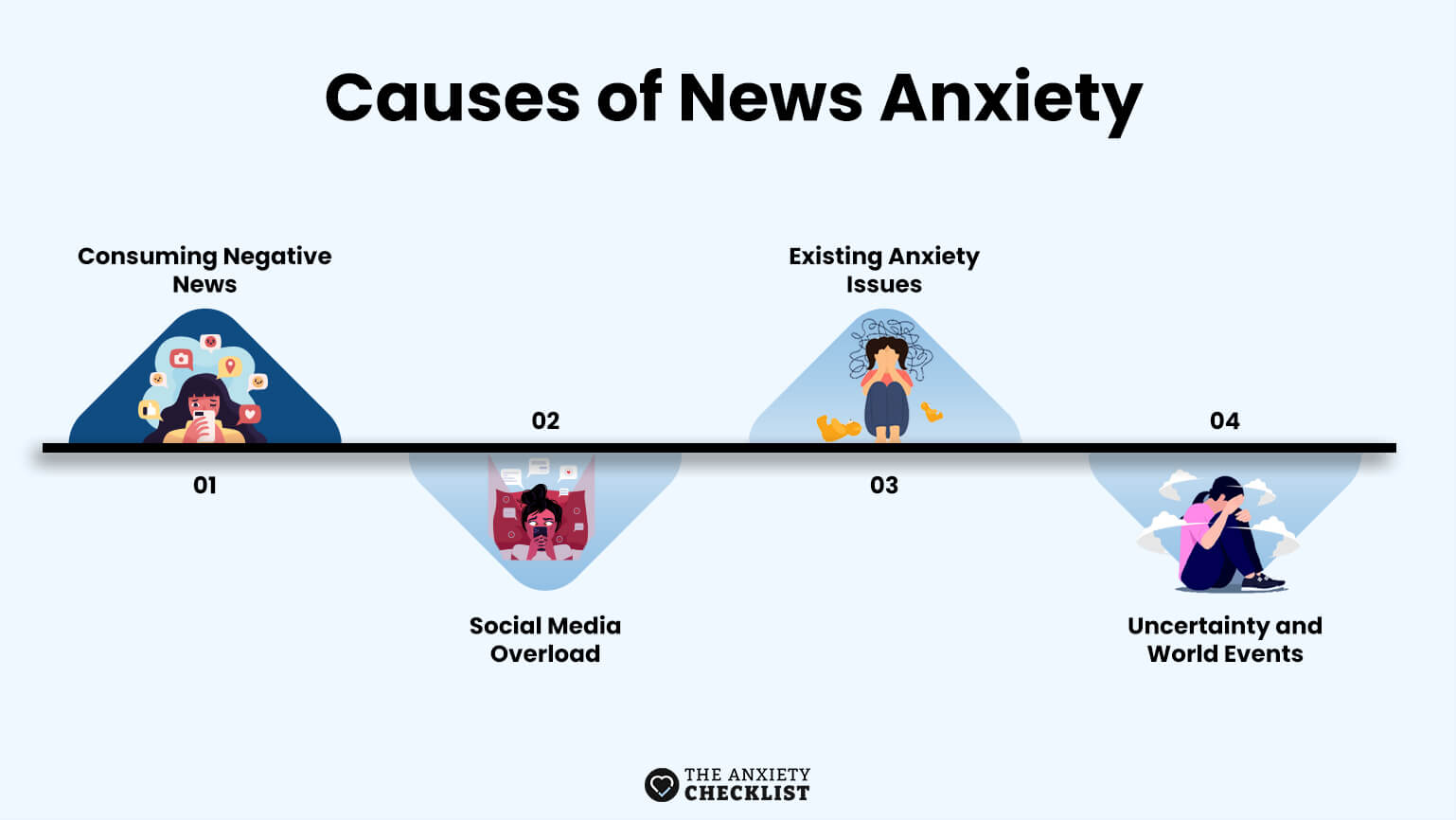
Social integration also suffers. The inability to navigate the nuances of social cues or the tendency to overreact to perceived slights can lead to isolation. This isolation, in turn, feeds back into the original anxiety and depression, creating a self-perpetuating loop. Breaking this cycle requires not only the treatment of the clinical disorder but a conscious effort to relearn social and emotional skills that were missed in earlier decades.
Common interpersonal challenges include:
- Difficulty with Boundaries: Either failing to set boundaries or being unable to respect the boundaries of others.
- Fear of Intimacy: Using anxiety as a shield to avoid the vulnerability required for deep emotional connection.
- Communication Gaps: Relying on passive-aggressive behavior rather than assertive, honest communication.
Correcting Common Misconceptions About Emotional Maturity
A frequent misconception is that emotional maturity is a linear process or a “switch” that flips at a certain age. In reality, it is a set of skills. News-Medical clarifies that being “emotionally immature” in midlife is not a sign of low intelligence or a lack of willpower. It is a clinical outcome of prolonged psychological distress.
Another common myth is that once a person reaches midlife, the window for emotional growth closes. Neuroplasticity—the brain’s ability to reorganize itself by forming new neural connections—continues throughout adulthood. While it may be more challenging to learn these skills later in life, the brain remains capable of adapting. The “delay” is not a permanent deficit but a paused process.
It is also important to distinguish between personality traits and emotional maturity. A person can be an introvert or have a reserved personality while still being emotionally mature. Maturity is measured by how one handles their emotions and interacts with others, not by their social preferences or extroversion levels.
Strategies for Overcoming Developmental Delays
Overcoming a delay in emotional maturity requires a dual approach: managing the clinical symptoms of anxiety and depression while actively practicing the skills of maturity. News-Medical indicates that a combination of pharmacological treatment (where appropriate) and targeted psychotherapy is most effective.
Practitioners often recommend “incremental exposure” to emotional challenges. This involves intentionally placing oneself in mildly uncomfortable social or emotional situations to build resilience. For example, instead of avoiding a difficult conversation with a colleague, an individual might practice a script and commit to a five-minute honest discussion.
Other effective strategies include:
- Mindfulness and Grounding: Learning to observe an emotion without immediately reacting to it.
- Journaling for Insight: Tracking emotional triggers to identify patterns of “younger” reactions.
- Interpersonal Therapy (IPT): Focusing specifically on improving the quality of relationships to foster maturity.
For those seeking more information on how mental health affects long-term development, a related explainer on adult neuroplasticity may provide further insight into how the brain recovers from chronic stress.
The Long-Term Outlook for Midlife Maturity
The trajectory for those experiencing delayed maturity is generally positive, provided there is an intervention. When anxiety and depression are brought under control, many individuals report a “rapid acceleration” of emotional growth. This is often because they possess the intellectual maturity of an adult but the emotional curiosity of someone who has just discovered a new way of existing in the world.
The long-term impact of achieving this maturity in midlife can be profound. It often leads to improved career stability, healthier marriages, and a more authentic relationship with one’s children. By addressing the root causes—the persistent anxiety and depression—individuals can reclaim the developmental milestones that were deferred, effectively “catching up” to their chronological age.
Monitoring progress involves looking for shifts in reaction patterns. A sign of success is not the total absence of anxiety or depression, but the ability to feel those emotions and still respond with maturity, accountability, and grace. This shift marks the transition from being defined by a disorder to being defined by one’s character.
Frequently Asked Questions
Can emotional maturity be regained after years of depression?
Yes. According to News-Medical, the brain’s plasticity allows adults to develop emotional regulation and maturity even in midlife. This typically requires a combination of treating the underlying mental health condition and actively practicing new emotional behaviors through therapy.
Is delayed emotional maturity the same as a personality disorder?
No. While some personality disorders involve emotional instability, delayed emotional maturity due to anxiety and depression is specifically a developmental lag caused by the cognitive load of mental illness. It is a result of “survival mode” overriding “growth mode.”
How do I know if my anxiety is delaying my emotional growth?
Signs include a consistent pattern of avoiding adult responsibilities, an inability to handle criticism without significant emotional distress, and a feeling that you react to situations like a much younger version of yourself. Consulting a licensed mental health professional is the only way to receive a formal assessment.
Does medication help with emotional maturity?
Medication does not “create” maturity, but it can lower the intensity of anxiety and depression. By reducing the “noise” of clinical symptoms, medication can create the mental space necessary for a person to engage in therapy and learn the skills required for emotional maturity.
Can children of parents with delayed emotional maturity also experience this?
There is a risk of intergenerational patterns. Children may not learn healthy emotional regulation if their primary caregivers struggle with these issues. However, this can be corrected through their own therapeutic processes and the development of a supportive environment.
