
A 20-year-old man in southern France lost control of his vehicle after consuming alcohol, cocaine, and MDMA at a gathering near Toulouse, police and medical sources say. The crash left three friends with severe injuries—one in critical condition—and has reignited urgent warnings from French health officials about the dangers of mixing substances, particularly in high-risk settings.
Key Findings
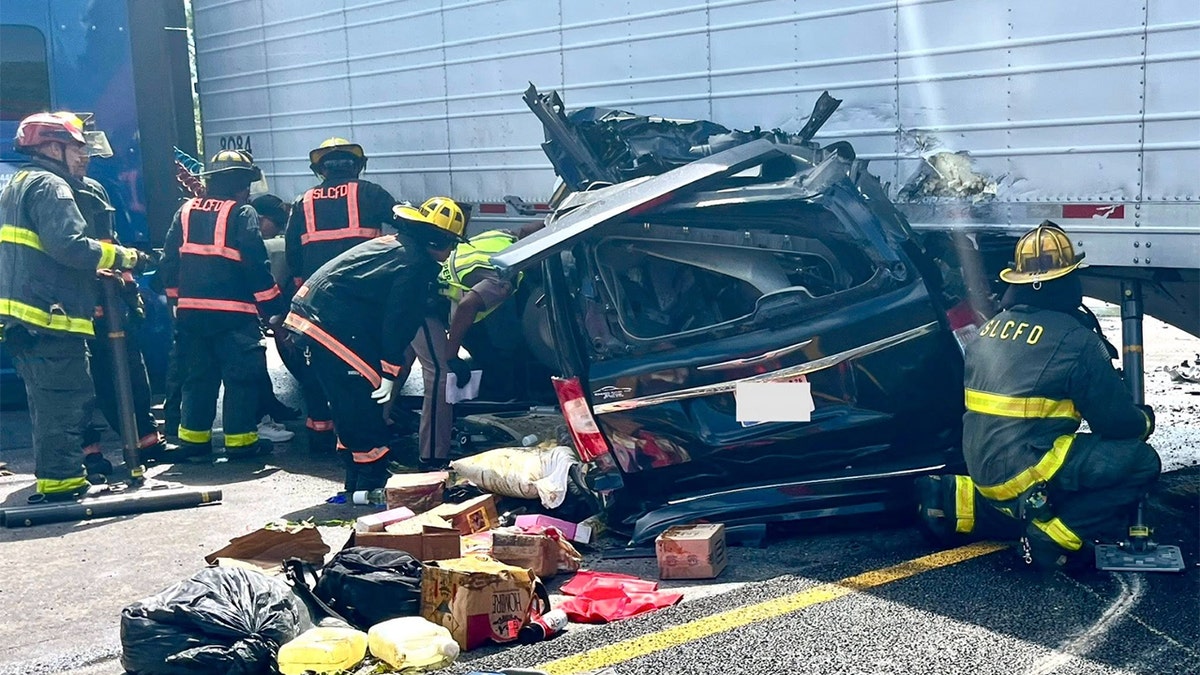
- The driver, identified only as Nathan, struck a utility pole after the accident, which occurred around 3 a.m. on Saturday near the city of Toulouse.
- Three passengers suffered life-threatening injuries: two with traumatic brain injuries and one with multiple fractures requiring emergency surgery.
- French toxicology reports confirmed elevated levels of alcohol, cocaine, and MDMA in the driver’s system, though exact measurements were not released.
- Local health authorities described the incident as a “wake-up call” for young adults, citing a 40% rise in emergency calls linked to substance misuse since 2022.
Why the Mix of Drugs Is Particularly Dangerous
Public health experts emphasize that combining alcohol, cocaine, and MDMA—commonly known as ecstasy—disrupts the body’s ability to regulate heart rate, blood pressure, and temperature. “Alcohol depresses the central nervous system while stimulants like cocaine and MDMA overstimulate it,” said Dr. Élise Moreau, a toxicologist with the Toulouse University Hospital. “The result is a volatile cocktail that can lead to erratic behavior, impaired judgment, and, in extreme cases, fatal cardiac events.”
More than half of substance-related vehicle crashes in France involve multiple drugs, according to a 2023 report by the French Observatory on Drugs and Addictive Behaviors. The organization noted that MDMA, often perceived as less harmful than cocaine, is frequently underrated in risk assessments. “People assume MDMA is just a party drug, but its interaction with alcohol can amplify toxicity,” Moreau added.
How French Authorities Are Responding
In the wake of the crash, regional health officials announced a targeted campaign to educate young adults about the risks of polysubstance use. Posters featuring real-life case studies—including the Toulouse incident—will be distributed at nightclubs, festivals, and university campuses starting next month. “We’re not just telling people to stop drinking or taking drugs,” said a spokesperson for the Occitanie Regional Health Agency. “We’re showing them the direct consequences of mixing substances in a way that hits home.”
The agency also reported a 25% increase in requests for harm-reduction workshops since January, with a focus on teaching attendees how to recognize signs of overdose when multiple substances are involved. “If someone is acting erratically—slurring speech, vomiting, or showing signs of agitation—it’s critical to get them medical help immediately,” the spokesperson said.
What the Data Shows—and What’s Still Unknown
While the Toulouse crash is the most severe documented this year in the region, it is not an isolated incident. A review of emergency records by the French National Institute of Health and Medical Research found that 12% of substance-related hospitalizations in 2023 involved MDMA combined with alcohol or cocaine. However, experts caution that underreporting remains a challenge, as many cases go unreported or are attributed to alcohol alone.
One unresolved question is whether the rise in substance-related incidents reflects increased use, better detection, or both. “We’re seeing more young people experiment with these combinations, but we’re also getting better at identifying the full scope of what’s in their system,” said Dr. Moreau. “The data is improving, but the trend is clearly concerning.”
What’s Next for Public Health Efforts
French officials plan to expand testing for multiple substances in nightlife districts, including Toulouse, beginning in autumn. The goal is to provide real-time data on drug prevalence and better tailor prevention strategies. Meanwhile, the Toulouse University Hospital is collaborating with local police to develop a rapid-response protocol for substance-related crashes, including mandatory toxicology screenings for drivers involved in accidents.
For now, health authorities urge anyone planning to attend festivals, concerts, or late-night gatherings to consider designated drivers, drug-checking services, and knowing the signs of an overdose. “This isn’t about fearmongering,” said the Occitanie spokesperson. “It’s about giving people the tools to make safer choices.”
