
Alan Greenspan, the former chairman of the U.S. Federal Reserve who shaped monetary policy during the digital revolution of the 1990s and 2000s, has died at age 100. His tenure overlapped with the rise of the internet economy, a period that redefined financial systems—and his policies, both celebrated and criticized, left a lasting imprint on how technology and capital interact today.
How Greenspan’s Policies Shaped the Tech Economy
Greenspan’s 19-year tenure as Federal Reserve chairman (1987–2006) coincided with the explosive growth of Silicon Valley and Wall Street’s embrace of financial innovation. His advocacy for deregulation and low interest rates helped fuel the dot-com boom of the late 1990s and the subsequent housing bubble, which later triggered the 2008 financial crisis. While critics argue his laissez-faire approach enabled risky lending practices, supporters credit his policies with stabilizing markets during the transition to a digital economy.

According to The New York Times, Greenspan’s belief in the self-correcting nature of markets—later dubbed “Greenspan’s Put”—allowed tech startups and financial firms to raise capital at historically low rates. This environment accelerated the adoption of cloud computing, e-commerce, and high-frequency trading, all of which rely on algorithmic decision-making and automated systems.
Key Moments Where Tech and Policy Collided
Greenspan’s influence extended beyond macroeconomics into the infrastructure of financial technology. His support for the Commodity Futures Modernization Act of 2000, for example, exempted derivatives—including credit default swaps—from regulatory oversight. This move, later criticized for contributing to the 2008 crisis, also paved the way for unchecked innovation in algorithmic trading and automated market-making, which now underpin platforms like Robinhood and high-frequency trading firms.
In a 2005 speech to the American Enterprise Institute, Greenspan acknowledged the challenges of regulating new financial instruments but stopped short of advocating for stricter controls. “The very essence of the free-market process,” he said, “is that no one should be allowed to dictate what risks may or may not be taken.” That philosophy, applied to tech-driven finance, has since shaped debates over cryptocurrency, decentralized finance (DeFi), and AI-driven trading systems.
Legacy: A Divided View of Innovation
Economists and policymakers remain split on Greenspan’s role in the tech economy. While some credit him with fostering an environment where companies like Amazon and Google could scale rapidly, others point to the 2008 crisis as evidence of unchecked risk-taking. The collapse of major financial institutions—many of which relied on complex, algorithm-driven models—exposed vulnerabilities in the systems Greenspan helped build.
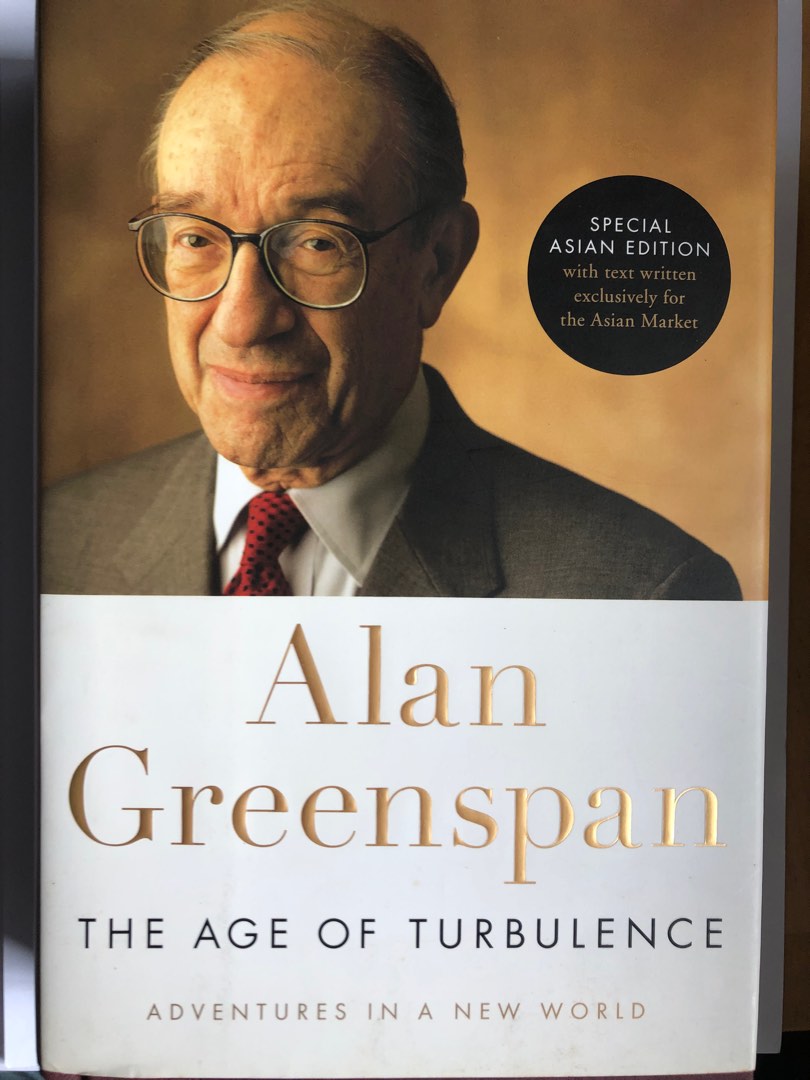
According to BBC, Greenspan’s death coincides with renewed scrutiny of financial regulation in the age of AI. Central banks, including the Federal Reserve, are now grappling with how to oversee machine-learning models used in lending, fraud detection, and high-frequency trading. His policies, which prioritized market flexibility over intervention, continue to influence these discussions.
What Happens Next for Tech and Finance?
Greenspan’s passing marks the end of an era in which monetary policy and technological innovation moved in lockstep. With AI and blockchain reshaping financial systems, his legacy may now serve as a cautionary tale: one where deregulation enabled rapid innovation but also created systemic risks. The current Fed, under Jerome Powell, has taken a more cautious approach, emphasizing stress tests and oversight of non-bank financial entities—a direct response to the gaps Greenspan’s era left unaddressed.
For tech leaders and policymakers, the question remains: Can innovation thrive without the risks that Greenspan’s policies inadvertently amplified? The answer will likely hinge on how future regulations balance flexibility with safeguards—lessons Greenspan’s era made painfully clear.
