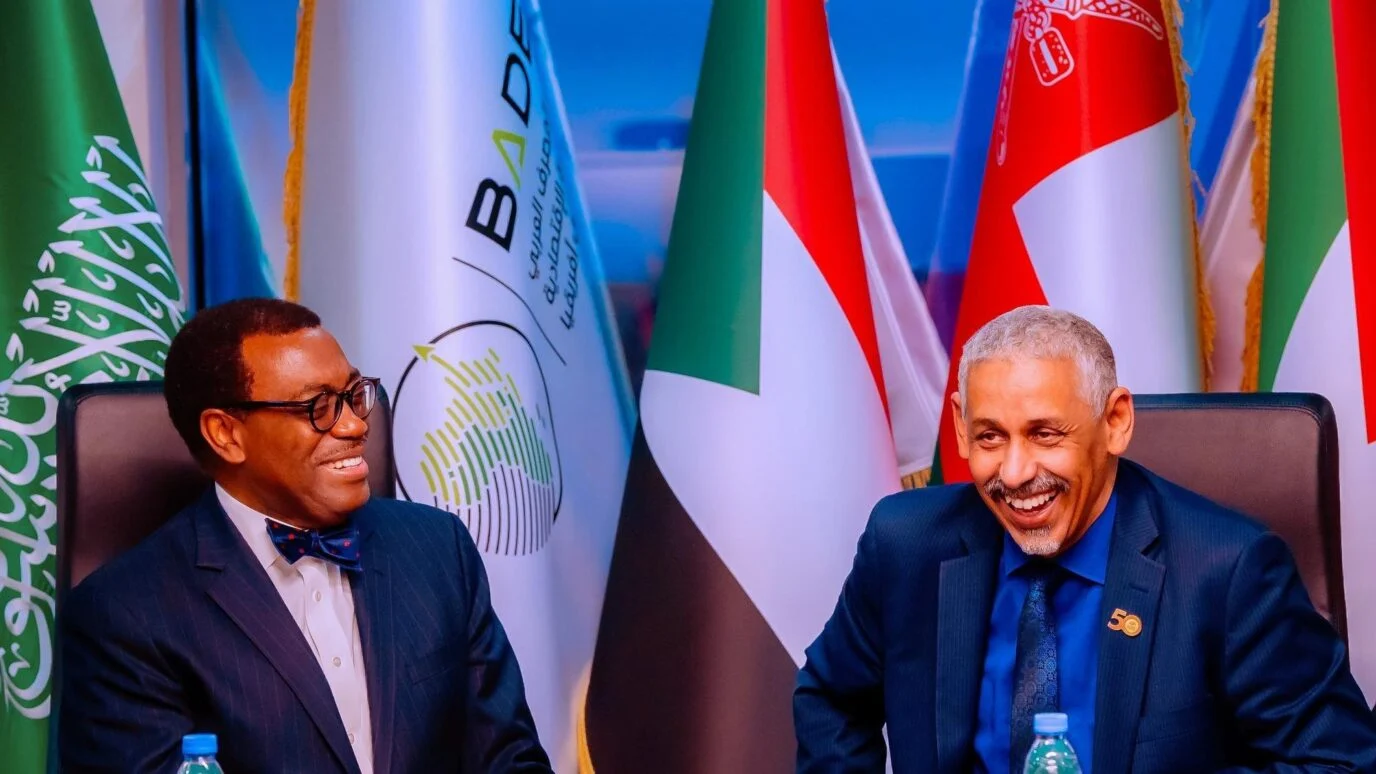
AfDB Hosts 2026 Private Sector Integrity Summit in Cape Town: A New Era for African Economic Governance
The African Development Bank (AfDB) has announced its decision to host the 2026 Private Sector Integrity Meeting in Cape Town, marking a pivotal moment in the continent’s efforts to strengthen ethical business practices and economic accountability. This high-profile gathering, set to bring together policymakers, corporate leaders, and civil society representatives, underscores the growing recognition of the private sector’s role in fostering sustainable development and combating systemic corruption. As the event approaches, stakeholders across Africa and beyond are closely watching how this initiative will shape the region’s economic trajectory.
The Significance of the 2026 Private Sector Integrity Meeting
At its core, the AfDB’s decision to host the 2026 Private Sector Integrity Meeting reflects a broader shift in how African nations and international organizations approach economic governance. The meeting is designed to address critical challenges such as corporate malfeasance, regulatory gaps, and the need for transparent public-private partnerships. By prioritizing integrity, the AfDB aims to create a framework that not only deters unethical behavior but also encourages innovation and investment in the region.
According to recent reports, Africa’s private sector contributes over 60% of the continent’s GDP, yet it continues to face significant hurdles, including inconsistent regulatory environments and limited access to capital. The 2026 summit seeks to tackle these issues by fostering dialogue between key stakeholders and promoting best practices in corporate governance. This initiative aligns with the AfDB’s broader mandate to catalyze economic growth and reduce poverty across the continent.
A Historical Context: The Evolution of Integrity Initiatives in Africa
The 2026 meeting is not an isolated effort but rather the culmination of years of work by the AfDB and its partners to address corruption and inefficiency in African economies. Over the past decade, the bank has launched several programs aimed at improving transparency, including the African Integrity and Anti-Corruption Initiative (AIAI) and the Private Sector Development Strategy. These efforts have laid the groundwork for the 2026 summit, which is expected to build on existing frameworks and introduce new, actionable solutions.
Notably, the AfDB’s 2016 African Economic Outlook highlighted the urgent need for stronger institutional frameworks to combat corruption. The report found that countries with robust anti-corruption mechanisms experienced faster economic growth and higher levels of foreign direct investment. The 2026 summit will serve as a platform to share these insights and explore ways to scale successful interventions across the continent.
Key Stakeholders and Their Roles
The success of the 2026 Private Sector Integrity Meeting hinges on the participation of a diverse array of stakeholders, each bringing unique perspectives and expertise to the table. Central to the event are representatives from the AfDB, who will lead discussions on policy development and resource allocation. However, the summit’s impact will extend far beyond the bank’s walls, involving governments, private enterprises, and civil society organizations.
Governments: Champions of Regulatory Reform
African governments play a critical role in shaping the regulatory environment that underpins the private sector. By attending the 2026 summit, national leaders will have the opportunity to share their experiences with anti-corruption initiatives and collaborate on cross-border strategies. For example, countries like Kenya and Rwanda have made significant strides in improving governance through digital reforms and public accountability measures. Their insights will be invaluable in crafting policies that balance economic growth with ethical considerations.
However, challenges remain. In some regions, political instability and weak institutional capacity continue to hinder progress. The 2026 meeting will provide a venue for discussing these obstacles and identifying ways to support governments in strengthening their anti-corruption frameworks.
Private Sector: Drivers of Innovation and Accountability
The private sector’s involvement in the 2026 summit is equally vital. As the primary engine of economic growth, businesses have a vested interest in creating an environment that rewards integrity and penalizes malfeasance. Companies that adopt transparent practices not only enhance their reputations but also attract investment and talent.
Several multinational corporations have already pledged their support for the event, recognizing that long-term profitability is intertwined with ethical operations. For instance, firms in the extractive industries—often criticized for their environmental and social impacts—have begun to prioritize sustainability and community engagement. The 2026 summit will showcase these efforts and encourage others to follow suit.
At the same time, the private sector faces its own challenges, including pressure to cut costs and meet short-term profit targets. The summit will explore ways to align business strategies with broader societal goals, ensuring that economic growth does not come at the expense of public trust.
Civil Society: Guardians of Transparency and Accountability
Civil society organizations (CSOs) are indispensable in holding both governments and corporations accountable. Their work in monitoring public expenditures, advocating for policy reforms, and empowering citizens has been instrumental in advancing integrity initiatives across Africa. By participating in the 2026 meeting, CSOs will have a platform to amplify their demands and share success stories.

One notable example is the Africa Governance Initiative, which has partnered with the AfDB to promote participatory budgeting and anti-corruption education. The 2026 summit will provide an opportunity to scale such efforts, ensuring that grassroots voices are integrated into national and regional decision-making processes.
Why This Matters: Implications for Africa’s Future
The 2026 Private Sector Integrity Meeting carries profound implications for Africa’s economic and social development. By fostering collaboration among stakeholders, the event has the potential to catalyze systemic changes that reduce corruption, enhance investor confidence, and create a more equitable business environment.
One of the most immediate benefits is the potential to improve public trust in institutions. Corruption erodes faith in government and private enterprises, deterring both local and foreign investment. By demonstrating a commitment to integrity, the AfDB and its partners can help rebuild this trust, paving the way for sustained growth.
the summit may lead to the adoption of new standards for corporate accountability. For example, the AfDB has previously championed the use of digital tools to track public expenditures and prevent embe
