
Prince George Confirmed to Attend Eton College in September, Following Royal Tradition
London, [Insert Date] — Prince George, the eldest child of the Prince and Princess of Wales, will begin his education at Eton College in September, Kensington Palace has confirmed. The announcement marks the continuation of a longstanding royal tradition, as both his father, Prince William, and his uncle, Prince Harry, attended the prestigious boarding school.
Eton, one of the UK’s most elite independent schools, has been a cornerstone of British royal education for generations. The decision underscores the institution’s enduring influence in shaping the future leaders of the monarchy, with Prince George set to join a new cohort of pupils amid ongoing debates about privilege, tradition, and modern education.
Kensington Palace released a statement confirming the move, though details on Prince George’s exact entry point—whether he will join as a day student or boarder—remain unclear. The palace did not disclose whether the prince will follow the same academic path as his father, who studied history at Eton before attending the University of St Andrews.
This development comes as the royal family faces heightened scrutiny over its educational choices, particularly in light of public discussions about the cost and accessibility of elite schooling. Meanwhile, Eton itself is navigating its own challenges, including debates over its curriculum, admissions policies, and the role of such institutions in a rapidly changing society.
Why Eton? The Tradition and Controversy Behind the Royal Choice
Eton College’s selection for Prince George is not arbitrary. The school has educated 19 British prime ministers, including Boris Johnson and David Cameron, as well as a disproportionate number of the UK’s political and financial elite. For the royal family, the choice aligns with a legacy stretching back to the 19th century, when Queen Victoria’s sons attended the institution.
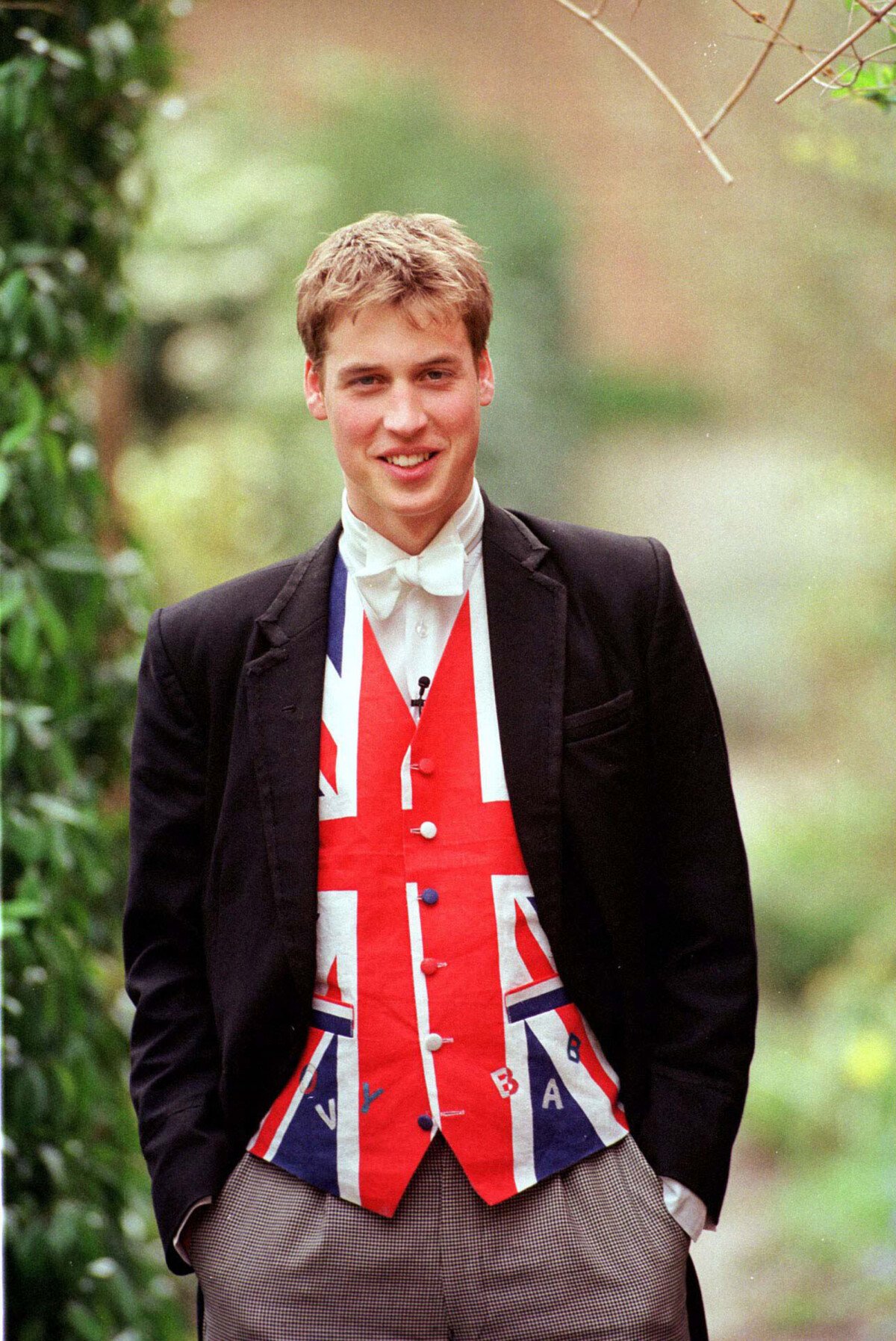
Prince William, who matriculated in 2002, has spoken publicly about the pressures and privileges of his Eton experience. In a 2018 interview with The Telegraph, he described the school as “brutal” but acknowledged its role in preparing him for public life. His uncle, Prince Harry, attended from 2002 to 2005, though his time there was overshadowed by media attention and later criticisms of the school’s culture.
Key Points:
- Eton has educated 19 UK prime ministers, reinforcing its status as a breeding ground for power.
- Prince William called his time at Eton “brutal” but recognized its value in shaping his future role.
- The school’s admissions process is highly selective, with an acceptance rate of around 10% for boarders.
:max_bytes(150000):strip_icc():focal(749x0:751x2)/prince-william-eton-college-062223-3-84a20fd953b74a7d86ff0096c79b629c.jpg "Why Eton? The Tradition and Controversy Behind the Royal Choice")
Yet the decision is not without controversy. Critics argue that Eton’s £46,000 annual fee—one of the highest in the UK—exemplifies systemic educational inequality. While the royal family’s finances are privately managed, the choice raises questions about whether such institutions perpetuate privilege rather than meritocracy.
Eton’s headmaster, Tony Little, has previously defended the school’s mission, stating in 2021 that its role is to “educate leaders for the service of the nation.” However, the institution has faced calls to reform its curriculum, which has been criticized for overemphasizing classical subjects at the expense of modern skills like computer science and critical thinking.
For Prince George, the transition to Eton will mark a significant shift from his current education at Thomas’s Battery Pre-Prep School in Berkshire, where he has spent the past two years. The move aligns with the typical timeline for British boarding school admissions, where pupils often begin at age 13.
A Timeline: How Prince George’s Education Has Unfolded
The path to Prince George’s Eton placement has been carefully managed by the royal family, with key milestones shaping his academic journey:
| Year | Milestone | Details |
|---|---|---|
| 2013 | Birth of Prince George | George Alexander Louis was born at St Mary’s Hospital, London, as the first grandchild of King Charles III. |
| 2015–2017 | Early education at home | Initially tutored at home by governesses, including Jessica Mulroney, who later faced public criticism. |
| 2017 | Transition to nursery | Enrolled at the independent Thomas’s Battery Pre-Prep School in Berkshire, a preparatory school for Eton. |
| 2021 | Public school admissions | Kensington Palace announced plans for Prince George to attend a “leading independent school,” with Eton emerging as the frontrunner. |
| 2024 | Final confirmation | Kensington Palace officially confirms Eton College as the chosen institution for September 2024. |
The timeline reflects a deliberate strategy to balance public expectations with the practicalities of royal education. While Prince George’s early years were marked by controversy—including the 2017 resignation of his governess over a “lack of chemistry”—his transition to Thomas’s Battery has been smoother, with reports praising his adjustment to school life.
Eton’s admissions process is notoriously rigorous, involving academic assessments, interviews, and evaluations of a child’s character. For Prince George, the selection was likely influenced by his academic performance, social skills, and the school’s longstanding ties to the monarchy.
According to The Times, sources close to the royal family have described Eton as the “natural choice” due to its historical connection to the Windsor dynasty. However, the decision also reflects a broader trend among Britain’s elite, where Eton remains a gateway to Oxford, Cambridge, and the highest echelons of power.
What Does Eton’s Curriculum Look Like? A Breakdown of the Royal Education
Eton’s curriculum is a blend of tradition and modernity, though it has faced criticism for its outdated emphasis on classical subjects. Here’s what Prince George can expect:
- Classical Languages: Latin and Greek remain central, with students expected to achieve fluency by the time they leave.
- Humanities: History, philosophy, and literature are taught with a focus on British and European canon.
- Modern Subjects: While Eton has expanded offerings in sciences and languages, critics argue these are still secondary to traditional disciplines.
- Extracurriculars: Sports like rowing and rugby are highly prioritized, with Eton’s rowing team historically dominating national competitions.
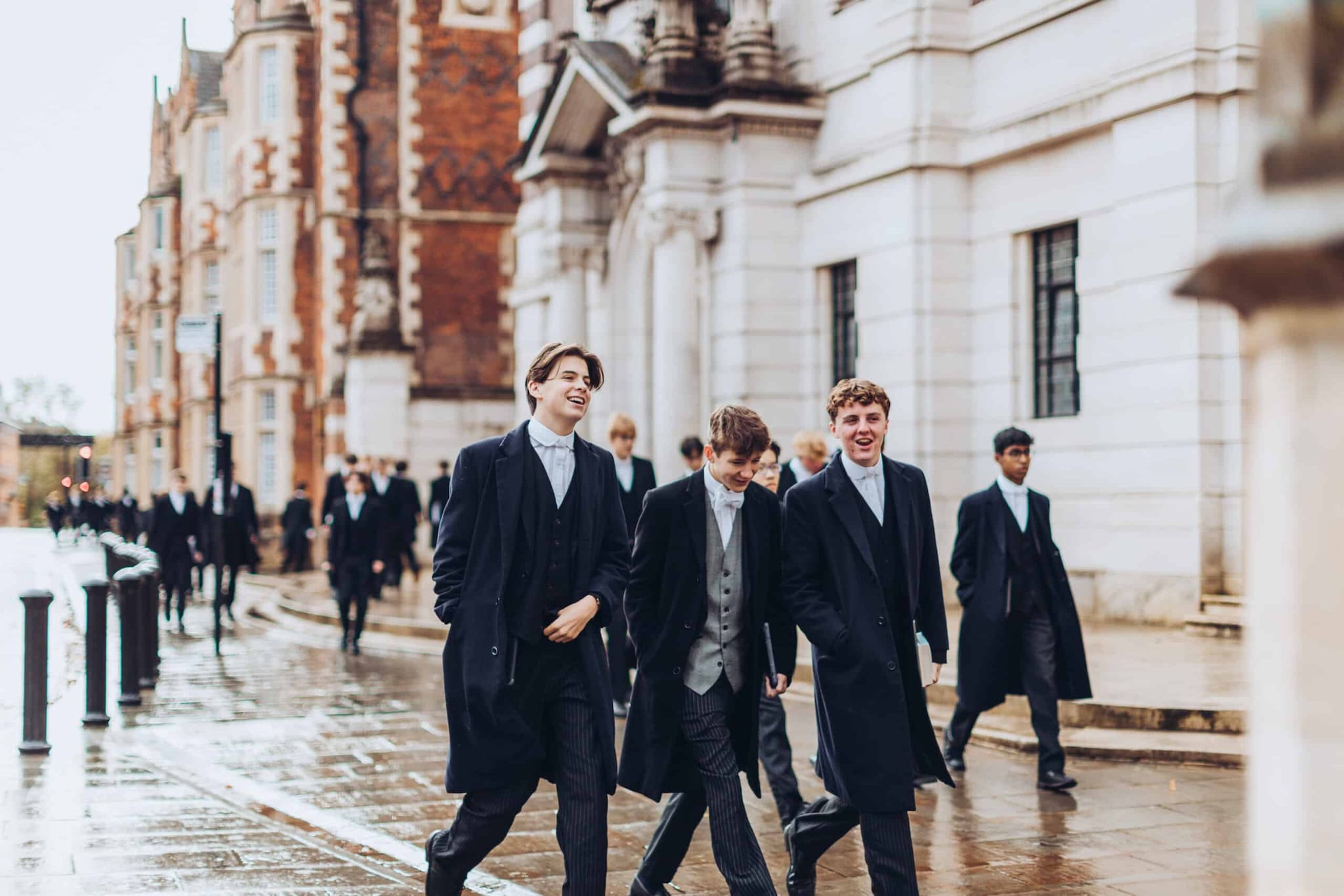
- Boarding Life: Pupils live in dormitories, with strict routines governing meals, study, and free time.
Prince William has spoken about the physical and emotional demands of Eton’s system. In a 2019 documentary, he recalled the pressure to excel academically while managing the expectations of public life. “It’s a lot harder than people think,” he said. “You’re not just there to learn; you’re there to be seen as part of something bigger.”
Eton’s approach contrasts with the more progressive models emerging in British education, such as the emphasis on STEM subjects or inclusive admissions policies. The school has resisted calls to abandon its traditional curriculum, arguing that it fosters critical thinking and leadership.
Yet, the institution is not without its critics. In 2023, a report by the Social Mobility Commission highlighted the lack of diversity at elite schools like Eton, noting that fewer than 10% of pupils come from state schools. The report called for reforms to “break the cycle of privilege” in British education.
For Prince George, the Eton experience will be shaped not only by academics but by the school’s unique culture. Eton’s “collegiate” system divides pupils into smaller houses, each with its own traditions, competitions, and rivalries. His father, William, was a member of College, while Prince Harry was in Hill’s.
Sources suggest Prince George may follow in his father’s footsteps by joining College, though this has not been officially confirmed. The choice of house could influence his social circle and future opportunities within the school.
How Will This Affect the Royal Family’s Public Image?
The announcement of Prince George’s Eton placement comes at a pivotal moment for the royal family, as it navigates shifting public perceptions and media scrutiny. Here’s how the decision may play out:
- Legitimacy and Tradition: By sending George to Eton, the royal family reinforces its connection to British institutions, which could bolster its standing among traditionalists.
- Criticism of Privilege: Activists and educators may use the announcement to highlight disparities in the UK’s education system, where state schools lack similar resources.
- Media Attention: Prince George’s time at Eton will likely be closely followed, with comparisons drawn to his father’s experiences and his uncle’s more publicized struggles.
- Future Leadership: Eton’s alumni network includes many of Britain’s political and business leaders, which could position Prince George favorably for future roles.
Public opinion on the royal family’s educational choices remains divided. A 2023 poll by YouGov found that 48% of Britons believe the monarchy should prioritize “modernizing” its traditions, including education, while 37% support maintaining established customs. The debate over Eton’s role in this context is likely to intensify.
Kensington Palace has historically been cautious about discussing Prince George’s education in detail, but the confirmation of Eton signals a return to more transparent communication. In a statement, a palace spokesperson said: “The Prince and Princess of Wales are committed to providing Prince George with the best possible education, and Eton College offers a unique environment for his development.”
Yet, the decision also raises questions about the long-term sustainability of such elite institutions. With rising tuition costs and debates over social mobility, Eton’s model is increasingly under scrutiny. The school’s endowment of over £1 billion could come under greater public examination, particularly if calls for educational reform gain momentum.
For the royal family, the challenge will be balancing tradition with the need to adapt to a changing world. Prince William has previously expressed support for greater transparency in royal finances and education, suggesting that the family is aware of these sensitivities.
What Happens Next? Key Questions About Prince George’s Eton Journey
With the announcement confirmed, several questions remain about Prince George’s time at Eton:
- Will he board or commute? Most Eton pupils are boarders, but the palace has not specified Prince George’s living arrangements.
- Which house will he join? His father was in College, but tradition allows flexibility.
- How will his education differ from his father’s? Eton has updated some aspects of its curriculum, but core elements remain unchanged.
- What role will the royal family play in his school life? Unlike Prince William, who faced media intrusion, Prince George’s experience may be more controlled.
Eton’s next intake will begin in September, with Prince George expected to join as part of the 2024 cohort. The school’s academic year runs from early September to mid-July, with terms divided into three sections: Michaelmas, Lent, and Summer.
For now, the focus remains on the transition. Sources suggest Prince George has been preparing for the move for months, with additional tutoring in subjects like Latin and mathematics to ensure he meets Eton’s rigorous standards.
As the royal family prepares for this new chapter, the decision to send Prince George to Eton underscores the enduring tension between tradition and change. Whether this choice will strengthen or strain the monarchy’s public image remains to be seen.
Frequently Asked Questions About Prince George’s Eton College Placement
Q: Why did the royal family choose Eton over other schools?
A: Eton has a longstanding association with the monarchy, having educated past royals like Prince William and Prince Harry. The school’s reputation for producing future leaders and its rigorous academic standards align with the royal family’s goals for Prince George’s education.
Q: How much does Eton College cost per year?
A: The annual fee for Eton College is approximately £46,000, one of the highest in the UK. This does not include additional costs for uniforms, extracurricular activities, or travel.
Q: Will Prince George board at Eton or commute?
A: While most Eton pupils are boarders, Kensington Palace has not confirmed whether Prince George will live on campus. Boarding is common for pupils from outside London, but the royal family may opt for a different arrangement.
Q: What subjects will Prince George study at Eton?
A: Eton’s curriculum emphasizes classical languages (Latin and Greek), humanities, and sciences. Prince George is likely to study a mix of these, with potential flexibility in modern subjects like computer science.
Q: How does Eton’s admissions process work?
A: Admissions are highly competitive, with an acceptance rate of around 10%. Candidates undergo academic assessments, interviews, and evaluations of character and potential.
Q: Has Prince George’s education faced any controversies?
A: Early in his education, Prince George’s governess resigned in 2017 amid reports of a “lack of chemistry.” However, his transition to Thomas’s Battery Pre-Prep School has been smoother, with no recent controversies.
Q: What is the royal family’s stance on educational privilege?
A: While the royal family has not publicly criticized elite schooling, Prince William has expressed support for greater transparency and modernizing traditions where necessary. The choice of Eton reflects a balance between tradition and adapting to contemporary expectations.
