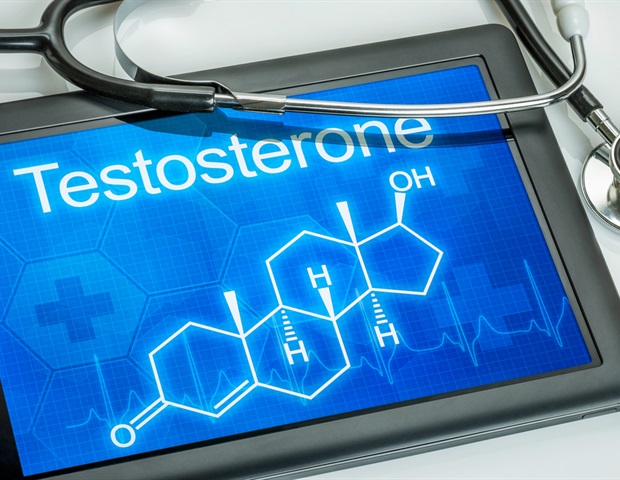
Testosterone Therapy and Lifestyle Changes Reduce Type 2 Diabetes Risk in Older Men
Testosterone therapy improves metabolic health and reduces Type 2 Diabetes (T2D) risk in older men when combined with structured lifestyle changes, according to reports from News-Medical. This integrated approach targets insulin resistance and muscle atrophy more effectively than hormone replacement or diet and exercise alone.
How Combined Testosterone Therapy and Lifestyle Changes Impact T2D Risk
The intersection of endocrine health and metabolic function is critical for aging men. News-Medical reports that for older men facing an increased risk of Type 2 Diabetes, the combination of testosterone supplementation and lifestyle modifications—specifically diet and physical activity—creates a synergistic effect that lowers glycemic markers. While testosterone therapy (TRT) helps restore hormonal balance, lifestyle changes address the underlying adiposity that often drives insulin resistance.
According to the data, men with hypogonadism (low testosterone) often experience a decline in lean muscle mass and an increase in visceral fat. This physiological shift directly contributes to the development of T2D. When TRT is administered alongside a regimen of caloric control and resistance training, the body is better equipped to utilize glucose. The testosterone facilitates muscle growth and protein synthesis, while the lifestyle changes reduce the fatty deposits in the liver and pancreas that hinder insulin action.
Key metabolic improvements observed in this combined approach include:
- Lowered HbA1c levels: A reduction in average blood sugar levels over a three-month period.
- Improved Insulin Sensitivity: A decrease in the amount of insulin the body needs to regulate blood glucose.
- Reduction in Waist Circumference: A decrease in visceral adiposity, which is a primary driver of metabolic syndrome.
- Increased Lean Body Mass: Higher muscle density, which acts as a primary site for glucose disposal.
The Biological Link Between Low Testosterone and Diabetes
To understand why testosterone benefits older men with T2D risk when combined with lifestyle changes, it is necessary to examine the bidirectional relationship between testosterone and insulin. News-Medical highlights that low testosterone levels are not merely a symptom of aging but are often closely linked to metabolic dysfunction.
In men with obesity or metabolic syndrome, adipose tissue contains an enzyme called aromatase, which converts testosterone into estrogen. This creates a feedback loop: low testosterone leads to increased fat accumulation, and increased fat further suppresses testosterone production. This cycle exacerbates insulin resistance, as testosterone plays a vital role in maintaining the health of skeletal muscle—the tissue responsible for the majority of glucose uptake in the body.
“The decline of testosterone in older age contributes to a loss of muscle mass and an increase in abdominal fat, both of which are strongly associated with the development of Type 2 Diabetes,” according to clinical perspectives shared via News-Medical.
The Role of Sarcopenia
Sarcopenia, the age-related loss of skeletal muscle, is a significant factor in T2D risk. Because muscles are the primary “sink” for glucose, a reduction in muscle mass means glucose remains in the bloodstream longer, forcing the pancreas to produce more insulin. Over time, this leads to insulin resistance. By introducing testosterone, the body can rebuild this muscle “sink,” provided the patient also engages in the physical activity necessary to trigger muscle hypertrophy.
Comparing Intervention Strategies for Metabolic Health
Not all interventions yield the same results. News-Medical indicates that the efficacy of the treatment depends heavily on whether the approach is isolated or combined. Many men attempt to treat low T or diabetes risk in a vacuum, but the evidence suggests a multi-pronged strategy is superior.
| Intervention Method | Primary Effect | Impact on T2D Risk | Sustainability |
|---|---|---|---|
| TRT Alone | Increases lean mass; improves libido | Moderate reduction in glucose | Low without diet/exercise |
| Lifestyle Alone | Reduces body fat; improves cardiovascular health | Significant reduction in glucose | Difficult for those with severe hypogonadism |
| Combined Approach | Optimizes hormones and reduces adiposity | Maximum reduction in T2D risk | High due to improved energy and mood |
As shown in the table, while lifestyle changes are powerful, men with clinically low testosterone may struggle to maintain the intensity of exercise or the discipline of a diet due to the fatigue and depression associated with hypogonadism. TRT provides the physiological “floor” that allows these men to engage more effectively with lifestyle modifications.
Who Benefits Most from Combined Therapy?
The benefits of combining testosterone with lifestyle changes are not uniform across all older men. News-Medical suggests that the most significant gains are seen in specific patient profiles. Men who exhibit “metabolic syndrome”—a cluster of conditions including high blood pressure, high blood sugar, and excess body fat around the waist—show the most dramatic responses.
High-Risk Profiles
Men who fall into the following categories typically see the most benefit:
- Men with Prediabetes: Those with fasting glucose levels above normal but below the diabetes threshold.
- Obese Men with Hypogonadism: Individuals where high body fat is actively suppressing testosterone production.
- Sarcopenic Men: Older adults who have experienced significant muscle wasting.
For these individuals, the combined therapy does more than just manage a risk; it can potentially reverse the trajectory toward a full T2D diagnosis. By addressing the hormonal deficiency, the patient gains the energy and muscle-building capacity to execute the lifestyle changes that permanently lower their metabolic risk.
Practical Implementation of Lifestyle Changes
The “lifestyle” component of the News-Medical report is not a vague suggestion but a specific set of behavioral interventions. For the testosterone therapy to be effective in reducing T2D risk, the following elements are typically required:
Nutritional Adjustments
Dietary interventions focus on reducing the glycemic load. This involves limiting refined sugars and processed carbohydrates, which cause insulin spikes. Instead, a focus on high-protein intake is encouraged to support the muscle-building effects of testosterone. Increasing fiber intake through vegetables and whole grains helps stabilize blood glucose and reduce systemic inflammation.
Physical Activity Regimens
Two types of exercise are critical for men at risk for T2D:
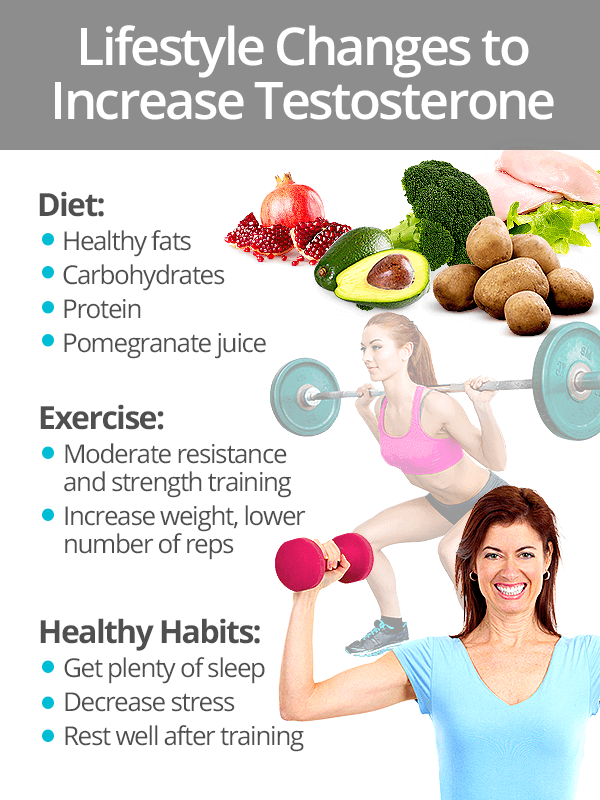
- Resistance Training: Lifting weights or using resistance bands. This is essential because testosterone increases the body’s ability to build muscle, and muscle is where glucose is burned.
- Aerobic Exercise: Brisk walking, cycling, or swimming. This improves cardiovascular efficiency and helps the body utilize fats for energy, reducing the burden on insulin.
When these activities are performed while testosterone levels are optimized, the rate of fat loss and muscle gain is accelerated compared to men with low T levels.
Medical Considerations and Safety Guardrails
Despite the benefits, testosterone therapy is not without risks and must be managed by a healthcare provider. News-Medical emphasizes that TRT is a medical intervention, not a supplement, and requires rigorous monitoring.
Potential Risks
Medical professionals monitor several key markers when prescribing TRT for men with T2D risk:
- Hematocrit Levels: Testosterone can increase red blood cell production, potentially thickening the blood and increasing the risk of clots.
- Prostate Health: While current evidence does not definitively prove TRT causes prostate cancer, doctors monitor Prostate-Specific Antigen (PSA) levels and perform regular exams.
- Sleep Apnea: TRT can sometimes exacerbate existing obstructive sleep apnea, which is already common in men with T2D risk.
The Danger of Unsupervised Use
The use of non-prescribed testosterone or “black market” steroids is dangerous and counterproductive. These substances often lead to unnatural hormonal spikes that can shut down the body’s own testosterone production entirely and cause severe cardiovascular strain, which would increase rather than decrease the overall health risk for a man already predisposed to diabetes.
Long-term Implications for Aging and Healthcare
The ability to reduce T2D risk through a combination of TRT and lifestyle changes has broader implications for public health. Type 2 Diabetes is a leading cause of kidney failure, blindness, and cardiovascular disease in older adults. By treating the hormonal deficiency that often accompanies metabolic decline, healthcare providers can potentially reduce the long-term burden of these complications.
Furthermore, the psychological impact cannot be overlooked. Low testosterone is frequently linked to depression, cognitive decline, and a lack of motivation. When men feel better mentally and physically, they are more likely to adhere to the strict diet and exercise protocols required to manage T2D risk. This creates a positive feedback loop: better hormones lead to better habits, which lead to better metabolic health, which in turn can help stabilize hormonal levels.
Related explainer on metabolic syndrome management may provide further context on the non-hormonal aspects of this treatment path.
Common Misconceptions Regarding TRT and Diabetes
There are several myths surrounding the use of testosterone in men with metabolic issues. News-Medical and clinical data help clarify these points:
Myth 1: TRT is a “magic pill” for weight loss.
TRT does not burn fat on its own. It changes the capacity of the body to burn fat and build muscle. Without the “lifestyle changes” mentioned in the research, the impact on T2D risk is significantly diminished.
Myth 2: All older men need TRT to avoid diabetes.
TRT is only indicated for men with clinically low testosterone (hypogonadism). Men with normal T levels will not see additional metabolic benefits from supplementation and may actually experience adverse effects.
Myth 3: Testosterone therapy is only about libido.
While sexual health is a common reason for seeking TRT, the metabolic benefits—including glucose regulation and muscle preservation—are equally critical for longevity and the prevention of chronic disease.
Frequently Asked Questions
Does testosterone therapy alone cure prediabetes?
No. According to reports from News-Medical, testosterone therapy is most effective when combined with lifestyle changes. While it can improve insulin sensitivity, diet and exercise are necessary to reduce the visceral fat that drives prediabetes.
Can TRT cause weight gain?
TRT typically promotes the growth of lean muscle mass, which may increase the number on a scale. However, when combined with a proper diet, it generally helps reduce body fat percentage, which is the more important metric for T2D risk.
Is TRT safe for men with high blood pressure?
It can be, but it requires strict medical supervision. Because TRT can affect red blood cell counts and fluid retention, a doctor must monitor cardiovascular health closely to ensure the therapy does not increase the risk of stroke or heart attack.
How long does it take to see metabolic improvements?
While libido and energy often improve quickly, metabolic changes like lowered HbA1c and reduced waist circumference typically take several months of consistent TRT and lifestyle adherence to become clinically significant.
What is the best type of exercise for men on TRT?
A combination of resistance training (weight lifting) and aerobic exercise (walking or swimming) is recommended. Resistance training leverages the muscle-building properties of testosterone, while aerobic exercise improves overall heart health and glucose utilization.
For those interested in the broader context of hormonal health in seniors, a related explainer on age-related hormone decline offers a deeper look at the physiological changes occurring during the aging process.
