Expedition Unknown Season 8 Premieres: Josh Gates Unearths Lost Civilizations, WWII Secrets, and Hidden Treasures
The Discovery Channel’s popular series Expedition Unknown returns for its eighth season on Wednesday, June 24, at 9 PM ET/PT, with host Josh Gates embarking on a new journey to uncover vanished civilizations, lost gold, and ancient secrets. The season, produced by Warner Bros. Discovery, promises to blend historical mystery with modern exploration, drawing on archival footage, expert interviews, and on-the-ground investigations.
What to Expect in Season 8
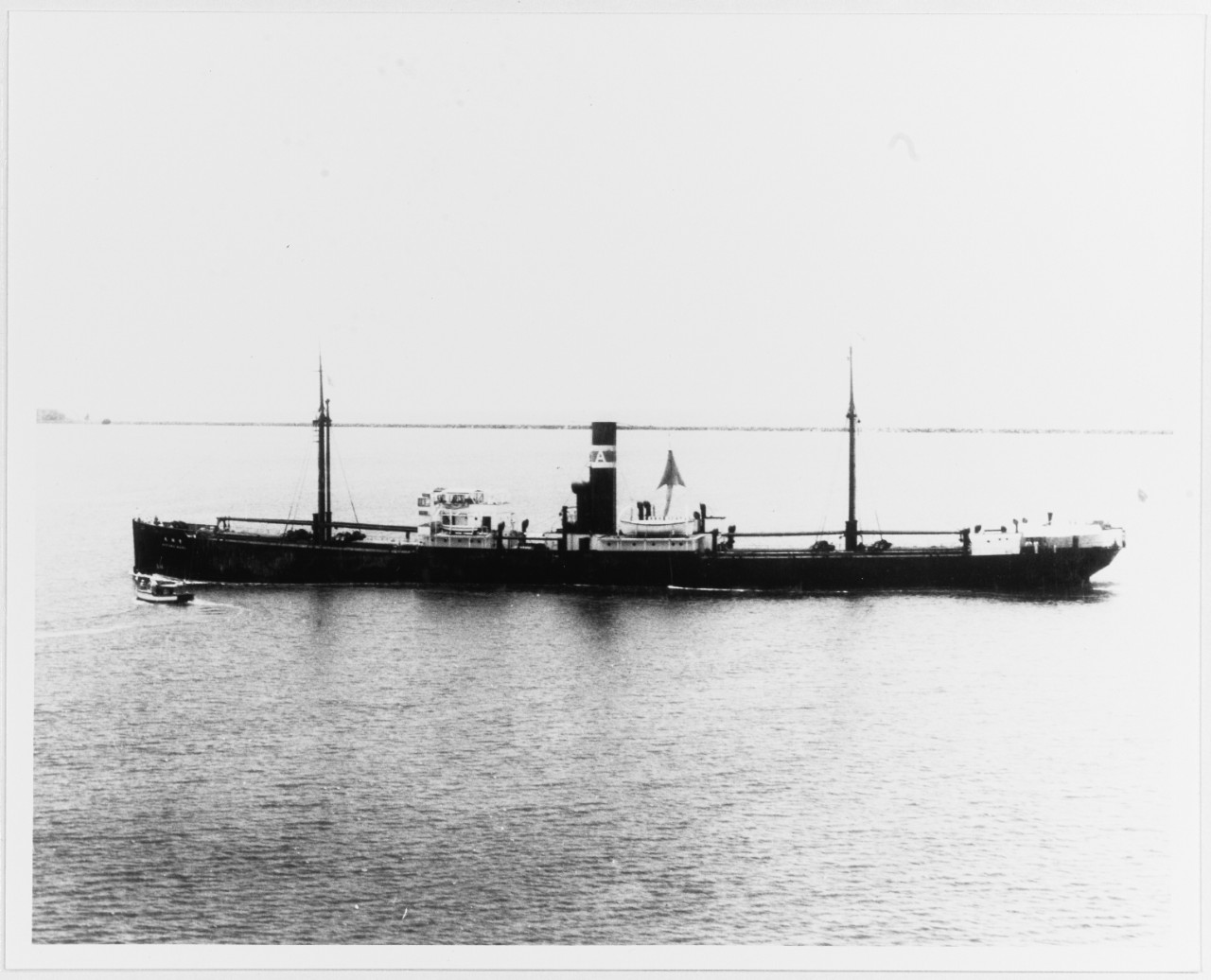
The upcoming season of Expedition Unknown expands the show’s scope, featuring segments that delve into historical enigmas, from the remnants of forgotten empires to uncharted territories linked to wartime mysteries. One standout episode focuses on the long-lost Japanese cargo ship Hōfuku Maru, which sank during World War II and was recently identified by Gates and his team. The discovery, confirmed by maritime historians, highlights the show’s commitment to combining adventure with academic rigor.
According to a statement from Warner Bros. Discovery, the season will also explore “ancient artifacts buried in remote jungles, submerged cities, and artifacts tied to historical conflicts.” Each episode is designed to blend storytelling with factual research, offering viewers a mix of suspense and historical insight.
Key Players and Collaborations
Josh Gates, a former U.S. Navy officer and archaeologist, continues to lead the series, leveraging his background in both military and historical research. His team includes experts from fields such as marine archaeology, linguistics, and anthropology, who contribute to the investigative process. For the Hōfuku Maru episode, the team collaborated with the Naval History and Heritage Command, which provided archival records and technical data about the ship’s final voyage.

“The Hōfuku Maru was a critical part of Japan’s wartime logistics,” said Dr. Emily Tanaka, a maritime historian at the University of Hawaii. “Its discovery not only sheds light on the ship’s fate but also offers a window into the broader context of naval operations in the Pacific during the 1940s.”
The Significance of the Hōfuku Maru Discovery
The Hōfuku Maru was a Japanese cargo ship that disappeared in 1944 during its final voyage from Manila to Japan. It was carrying a mix of supplies and, according to some accounts, gold and other valuables. The ship’s disappearance became a legend among local communities, with rumors of treasure hunts and unexplained disappearances surrounding its last known location.
Gates and his team used sonar imaging and historical records to locate the shipwreck off the coast of the Philippines. The discovery, announced in early 2024, was confirmed by the Philippine National Museum and the U.S. Navy’s historical archives. “Finding the Hōfuku Maru was a culmination of years of research and collaboration,” Gates said in a press release. “It’s a reminder of how history often lies beneath the surface, waiting to be uncovered.”
Historical Context and Broader Implications
The Hōfuku Maru episode is part of a broader trend in television programming that blends history with adventure. Shows like Expedition Unknown have gained popularity for their ability to make historical events accessible and engaging. The season’s focus on lost civilizations and wartime secrets aligns with public interest in uncovering hidden chapters of history.
The discovery of the ship also raises questions about the ethics of treasure hunting and the preservation of historical sites. While some view the search for lost artifacts as a way to recover cultural heritage, others caution against the commercialization of historical sites. “There’s a fine line between exploration and exploitation,” said Dr. Marcus Lee, a cultural heritage expert at the University of California. “It’s crucial that discoveries like the Hōfuku Maru are handled with care to ensure their historical value is preserved.”
Why This Matters: A Broader Conversation
The new season of Expedition Unknown taps into a growing fascination with unexplained historical mysteries. According to a 2023 survey by the Pew Research Center, 68% of Americans express interest in learning more about historical events that are not widely covered in mainstream education. The show’s approach—combining on-site investigations with expert analysis—caters to this demand by making complex historical narratives more relatable.
Additionally, the focus on WWII-era discoveries resonates with a global audience. The war’s legacy continues to shape contemporary geopolitics, and the Hōfuku Maru’s story offers a unique perspective on the human cost and logistical challenges of the conflict. “The ship’s story is not just about treasure,” said Dr. Tanaka. “It’s about the people who lived through the war and the decisions that shaped its outcome.”
What Viewers Can Expect
Season 8 of Ex
