
Rising Tide of Migration Across the Atlantic
Over 1,000 migrants were rescued in Mauritanian waters within a 10-day period, according to local coastguard officials, marking a sharp increase in transatlantic migration attempts from West Africa. The figures, reported by multiple regional outlets, highlight the revival of a migration route previously disrupted by stricter border controls and economic instability in the Sahel region.
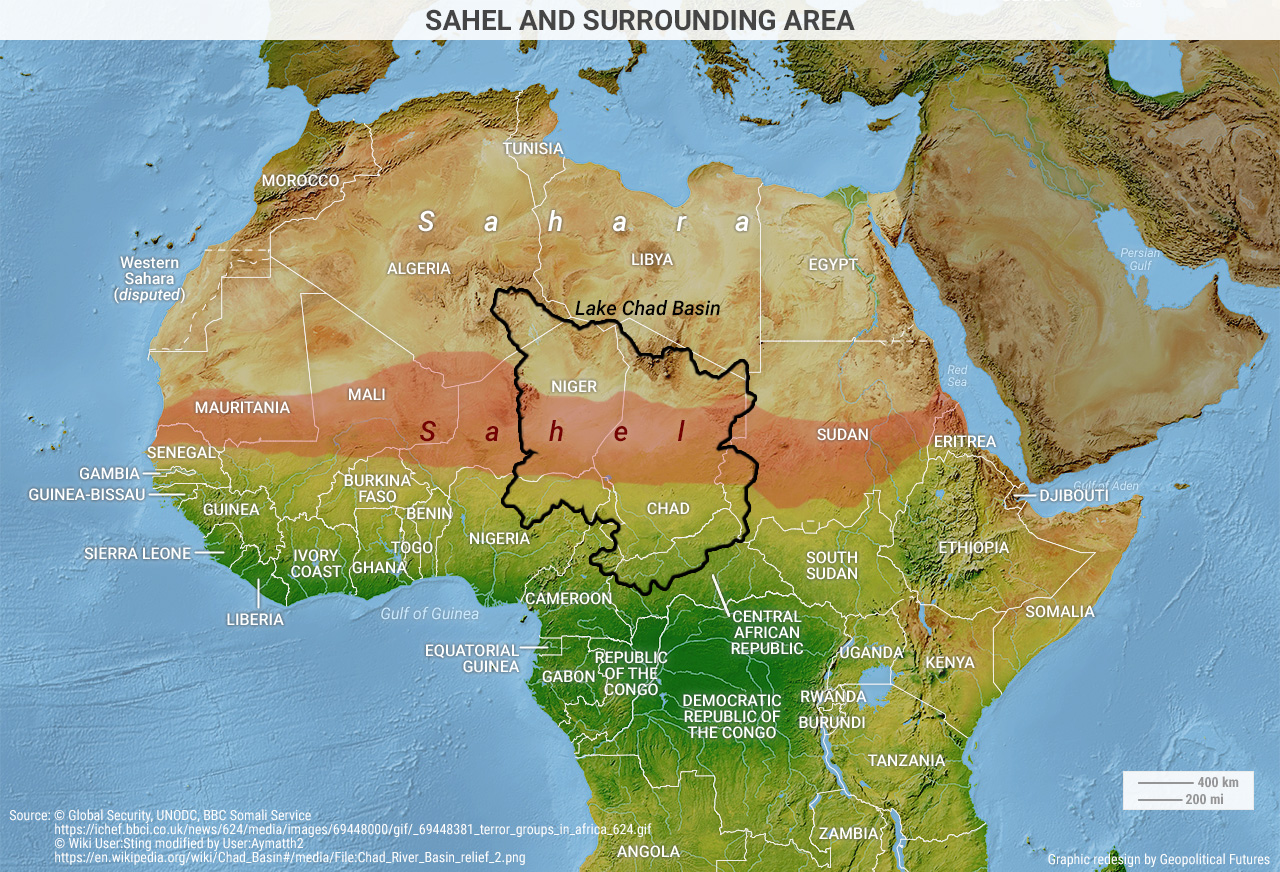
The rescues, which occurred between late July and early August, involved individuals originating from Senegal, Mali, and Niger, according to statements from the Mauritanian Maritime Safety Directorate. Officials cited “increased desperation” among migrants seeking passage to Europe via the Atlantic, a route that has seen sporadic activity in recent years but remains less traversed than the Mediterranean or Western Sahara corridors.
Regional Tensions and Humanitarian Challenges
Mauritania, a nation with a fragile economy and limited resources, faces mounting pressure to manage the influx. The coastguard reported deploying additional vessels and personnel to patrol the 750-kilometer stretch of coastline bordering the Atlantic. “This surge strains our capacity to ensure safe passage for all,” a spokesperson said, emphasizing the need for international support.
International observers noted the trend aligns with broader patterns of migration from the Sahel, where conflict, drought, and youth unemployment have driven populations to seek opportunities abroad. The United Nations High Commissioner for Refugees (UNHCR) has called for coordinated efforts to address root causes, while the European Union has reiterated its focus on border security in the region.
Local media outlets described the rescues as “a stark reminder of the risks migrants face,” with several incidents involving overcrowded fishing boats and inadequate safety equipment. The exact number of migrants rescued varies slightly across reports, with one source citing 1,076 individuals and another noting “over a thousand” during the same period.
What This Means for Migration Policies
The resurgence of Atlantic migration has prompted debates among regional governments about enforcement strategies. Mauritania, which shares borders with Mali, Niger, and Western Sahara, has historically prioritized controlling land borders, but the current wave underscores the need for maritime coordination. Neighboring Senegal, a primary departure point, has yet to issue official comments on the situation.
Human rights groups have urged authorities to balance security measures with protections for migrants. “Every life saved is a success, but we must also address why people are forced to take such risks,” said a representative from a Geneva-based advocacy organization. The group highlighted the lack of legal pathways for migration as a contributing factor to the perilous journeys.
As the rainy season approaches, which typically exacerbates economic hardship in the Sahel, experts predict continued pressure on migration routes. The Mauritanian government has not announced new policies but has requested aid from international partners to bolster search-and-rescue operations.
