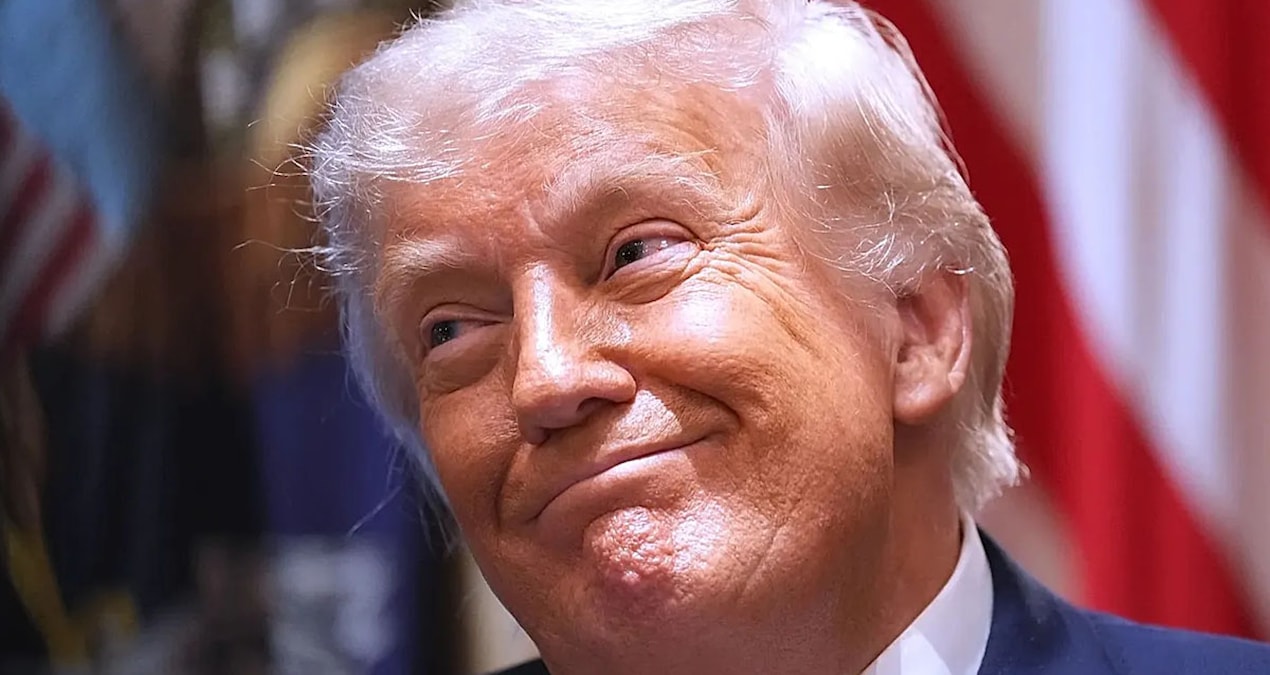
Former U.S. President Donald Trump has signaled a willingness to engage in direct diplomacy with Iranian leadership, expressing an openness to negotiate a deal despite years of volatile relations between Washington and Tehran.
A Gesture Toward Diplomacy
In recent public statements, Trump indicated that he would be open to meeting with Iranian leader Mojtaba Hamaney to discuss a potential agreement. Highlighting a departure from the more confrontational rhetoric often associated with the two nations, Trump stated that he would be honored
to meet with the Iranian official.
This expression of openness comes amid a complex geopolitical landscape where the U.S. And Iran have remained locked in a cycle of sanctions and diplomatic freezes. The prospect of a high-level meeting suggests a potential shift toward a deal-centric approach to resolve longstanding disputes.
Iranian Skepticism
While the U.S. Side has signaled a willingness to talk, the response from Tehran appears far more guarded. Ibrahim Rezayi, speaking on the Iranian perspective, dismissed the possibility of a diplomatic breakthrough.
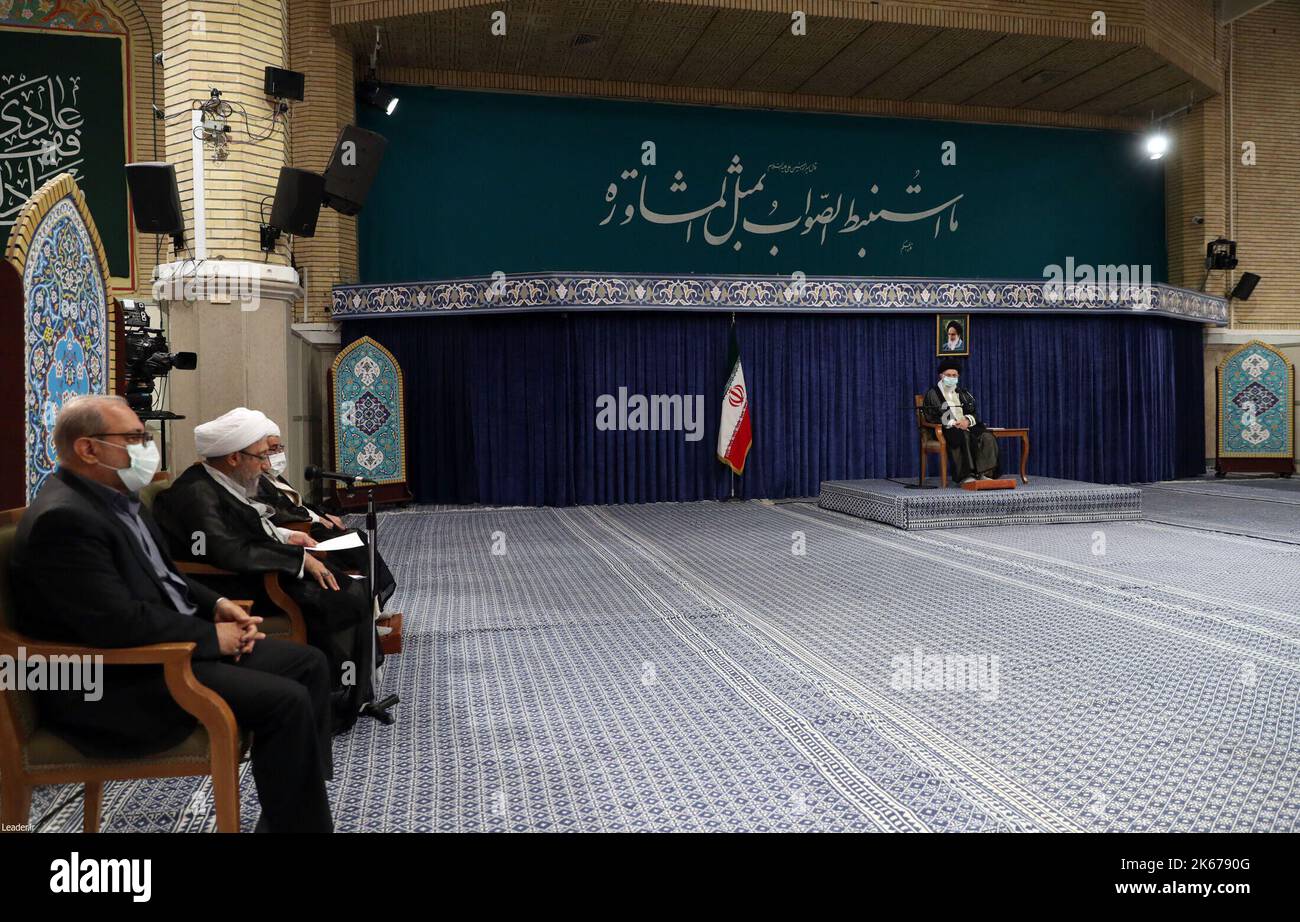
We have no hope of reaching an agreement with the United States. — Ibrahim Rezayi
Rezayi’s remarks underscore a deep-seated mistrust and suggest that the Iranian leadership remains unconvinced that a viable or sustainable deal can be brokered with the U.S. Administration.
Regional Implications
The disconnect between Trump’s openness to dialogue and the Iranian side’s lack of hope reflects the broader challenge of stabilizing the Middle East. Any potential agreement between the two powers would likely have significant ripple effects on regional security, nuclear proliferation concerns, and global energy markets.
For now, the diplomatic path remains obstructed by conflicting expectations, with one side offering a seat at the table and the other viewing such offers with profound skepticism.
