Indonesian Research Scandal: Academic Misconduct Under Scrutiny
In a development that has sent shockwaves through the academic community, a major investigation has uncovered widespread research misconduct involving Indonesian scholars. The scandal, which has drawn attention from international peers and institutions, reveals a troubling pattern of data fabrication, unethical practices, and a lack of oversight within the country’s higher education system. As the fallout continues, questions about the integrity of scientific research and the credibility of academic institutions have come to the forefront.
Unveiling the Scandal: What Happened?
The controversy centers around a series of research papers submitted by Indonesian academics to international conferences and journals. Investigators found evidence of manipulated data, falsified results, and plagiarized content across multiple disciplines, including social sciences, environmental studies, and public health. The misconduct allegedly spanned several years, with some researchers accused of fabricating studies to gain professional recognition, secure funding, or enhance their institutional reputations.
One of the most alarming aspects of the case is the scale of the alleged fraud. Multiple research groups from different universities were implicated, suggesting systemic issues rather than isolated incidents. In some instances, researchers reportedly colluded to submit identical or nearly identical studies under different names, a tactic that allowed them to bypass peer-review processes and gain access to global academic platforms.
Key Points: The Core of the Scandal
- Alleged fabrication of data in peer-reviewed journals and conference proceedings.
- Plagiarism and reuse of existing studies without proper attribution.
- Collaborative efforts among researchers to circumvent academic integrity checks.
- Impact on international collaborations and trust in Indonesian academic work.
Who Is Involved?
The scandal involves a mix of senior academics, early-career researchers, and university administrators. While the identities of those directly implicated have not been fully disclosed, preliminary reports indicate that some of the accused hold prominent positions in Indonesian universities and research institutions. The involvement of senior figures has raised concerns about the potential for institutional complicity or negligence in overseeing research practices.
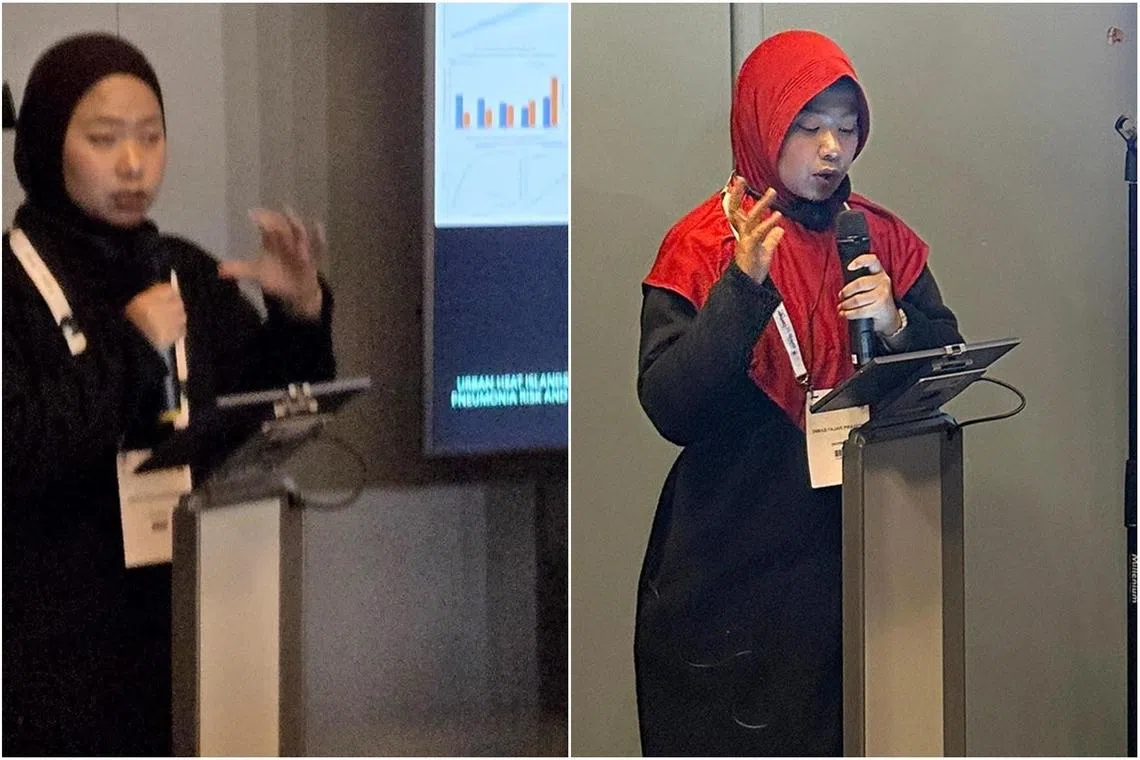
International collaborators and journal editors have also been affected. Several conferences, including a high-profile event in Copenhagen, have faced scrutiny over their role in accepting what are now being questioned as fraudulent submissions. The reputations of these events and the organizations backing them have come under fire, with calls for greater transparency in the peer-review process.
A Timeline of Events
The alleged misconduct appears to have begun in the mid-2010s, with a surge in research outputs from Indonesian institutions around 2018-2020. During this period, the number of Indonesian-authored papers published in international journals increased significantly, coinciding with a national push to elevate the country’s academic standing globally. However, this growth has since been overshadowed by the recent revelations.
| Year | Event |
|---|---|
| 2015-2017 | Initial reports of irregularities in research outputs from Indonesian institutions. |
| 2018-2020 | Surge in publications and conference presentations by Indonesian researchers, sparking skepticism among international peers. |
| 2022 | Formal investigation initiated by an international academic watchdog group. |
| 2023 | Public revelations of data manipulation and plagiarism, leading to retractions and reputational damage. |
The Broader Context: Why This Matters
The scandal has broader implications for Indonesia’s academic ecosystem. The country has long sought to position itself as a regional hub for research and innovation, with government initiatives aimed at improving the quality of higher education. However, the recent revelations risk undermining these efforts and casting doubt on the validity of research conducted in the region.
Experts note that the issue is not unique to Indonesia but reflects a global challenge in maintaining academic integrity. Nevertheless, the scale and visibility of this case have made it a focal point for discussions about accountability, oversight, and the pressures faced by researchers in developing countries.
Reactions and Responses
The academic community has responded with a mix of concern and calls for reform. Some institutions have launched internal reviews, while others have distanced themselves from the accused researchers. International journals have also taken steps to address the situation, with several retracting papers and implementing stricter verification processes.
One researcher, who spoke on condition of anonymity, highlighted the pressure on academics to publish. “There is immense pressure to produce results quickly, especially in countries where academic success is tied to institutional rankings and funding,” they said. “This can lead to shortcuts, but it’s not an excuse for misconduct.”
Implications for the Future
The scandal has already prompted discussions about the need for stronger safeguards against academic fraud. Some experts recommend the adoption of advanced data verification tools, mandatory ethics training for researchers, and increased transparency in the publication process. Others argue that the focus should shift toward fostering a culture of integrity rather than relying solely on punitive measures.
For Indonesia, the fallout could have long-term consequences. If left unaddressed, the scandal may deter international collaboration, reduce funding opportunities, and erode public
