Iran’s political crisis deepened on May 31 as protests erupted across major cities following a controversial ruling from the country’s judiciary, marking the latest flashpoint in a year of unrest that has tested the Islamic Republic’s grip on power.
The Spark: A Judiciary Decision That Ignited Widespread Protests
The unrest was triggered by a landmark verdict issued by Iran’s Supreme Court, which upheld the death sentences of two prominent activists—Narges Mohammadi, a Nobel laureate and human rights advocate, and Sepideh Qolian, a journalist and women’s rights campaigner. The ruling, announced without prior warning, sent shockwaves through civil society groups and sparked immediate condemnation from international human rights organizations.
Demonstrations broke out in Tehran, Isfahan, and Mashhad, with protesters chanting slogans against the government and demanding the immediate release of political prisoners. Security forces responded with mass arrests, deploying tear gas and water cannons in an effort to disperse crowds. According to local media reports, at least 47 protesters were detained in the first 24 hours of unrest, though the true number remains unclear due to internet restrictions imposed by authorities.
Mohammadi, who has spent years in Iranian prisons for her activism, was sentenced to an additional eight years in prison for “anti-state propaganda.” Qolian, a vocal critic of the government’s treatment of women, was convicted on similar charges. Their cases have become symbols of the regime’s crackdown on dissent, particularly among younger Iranians who have taken to the streets in recent months.
Regional and Global Reactions: From Condemnation to Cautious Diplomacy
The Iranian government has framed the sentences as necessary measures to combat “foreign-backed subversion,” a narrative it has repeatedly used to justify repression. In a statement released through state media, the judiciary claimed the activists had “collaborated with hostile foreign powers” to undermine national security. However, international observers dismissed the claims as pretextual, pointing to the lack of evidence in public proceedings.

The European Union and United Nations swiftly condemned the verdicts, with EU foreign policy chief Josep Borrell calling them “a blatant violation of international human rights standards.” The U.S. State Department echoed the criticism, with spokesperson Ned Price stating in a press briefing:
The United States is deeply concerned by the escalation of repression in Iran. The sentences handed down to Mohammadi and Qolian are not only unjust but also a clear signal to civil society that dissent will not be tolerated.
Ned Price, U.S. State Department
Meanwhile, regional powers adopted more measured tones. Saudi Arabia, despite its own human rights controversies, issued a statement urging “restraint” and calling for “dialogue” between Tehran and its citizens. Russia, a key ally of Iran, avoided direct criticism but emphasized the need for “legal guarantees” in judicial proceedings—a statement that appeared to stop short of endorsing the sentences.
Historical Context: A Regime Under Pressure
The latest protests come amid a prolonged period of instability for Iran’s leadership. Since the 2022 death of Mahsa Amini while in police custody—a trigger for nationwide demonstrations—the government has faced persistent challenges, including economic crises, fuel shortages, and a wave of strikes by workers and students.
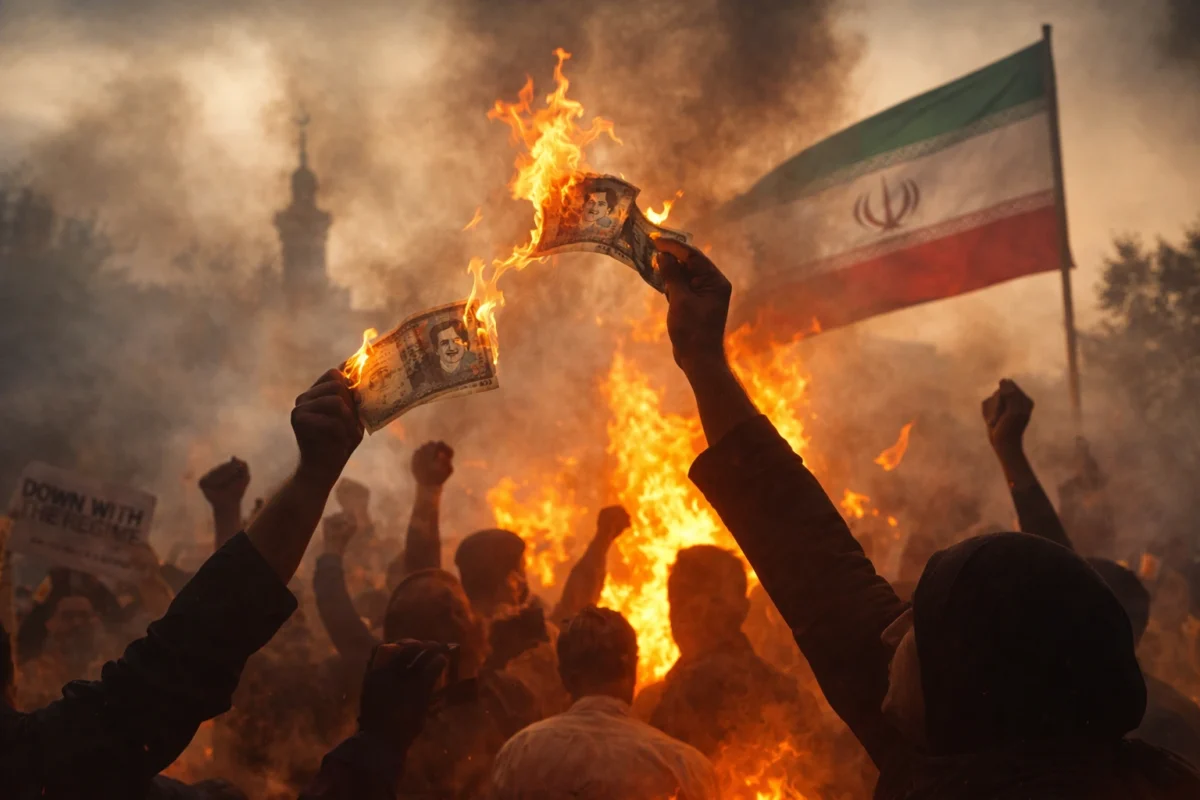
President Ebrahim Raisi, who took office in 2021 with a hardline platform, has overseen a tightening of security measures, including the expansion of the Revolutionary Guard’s role in domestic policing. Critics argue that his administration has prioritized suppressing dissent over addressing the root causes of public anger, such as inflation, unemployment, and water shortages.
Mohammadi’s case, in particular, has drawn comparisons to the 2016 imprisonment of Nobel laureate Narges Mohammadi—a woman who, despite her frail health, has become a global emblem of resistance. Her husband, Taghi Rahmani, told Reuters in a rare interview from exile:
This is not just about two women. It is about the regime’s fear of its own people. Every time they sentence someone like Narges, they are admitting they cannot win the hearts of the Iranian people.
Taghi Rahmani, Mohammadi’s husband
What’s Next: A Fragile Stalemate
With protests showing no signs of abating, Iranian authorities appear determined to suppress further unrest through a combination of legal crackdowns and security operations. The judiciary’s decision to uphold the death sentences—despite international outcry—suggests a hardening of stance rather than a willingness to engage in dialogue.
For now, the focus remains on the streets, where activists are organizing through encrypted channels to evade government surveillance. The next critical juncture may come in the form of June 1, when Iran’s Guardian Council is expected to review appeals in high-profile political cases—a process that could either escalate tensions or, if sentences are commuted, offer a rare moment of relief.
One certainty is that the crisis will continue to strain Iran’s already fragile relations with Western powers, particularly the U.S., where calls for targeted sanctions against Iranian judges and security officials are growing louder. For the Iranian people, however, the immediate question remains the same: How long will the regime tolerate dissent before the cost of repression becomes unsustainable?
